
Last updated October 15, 2026
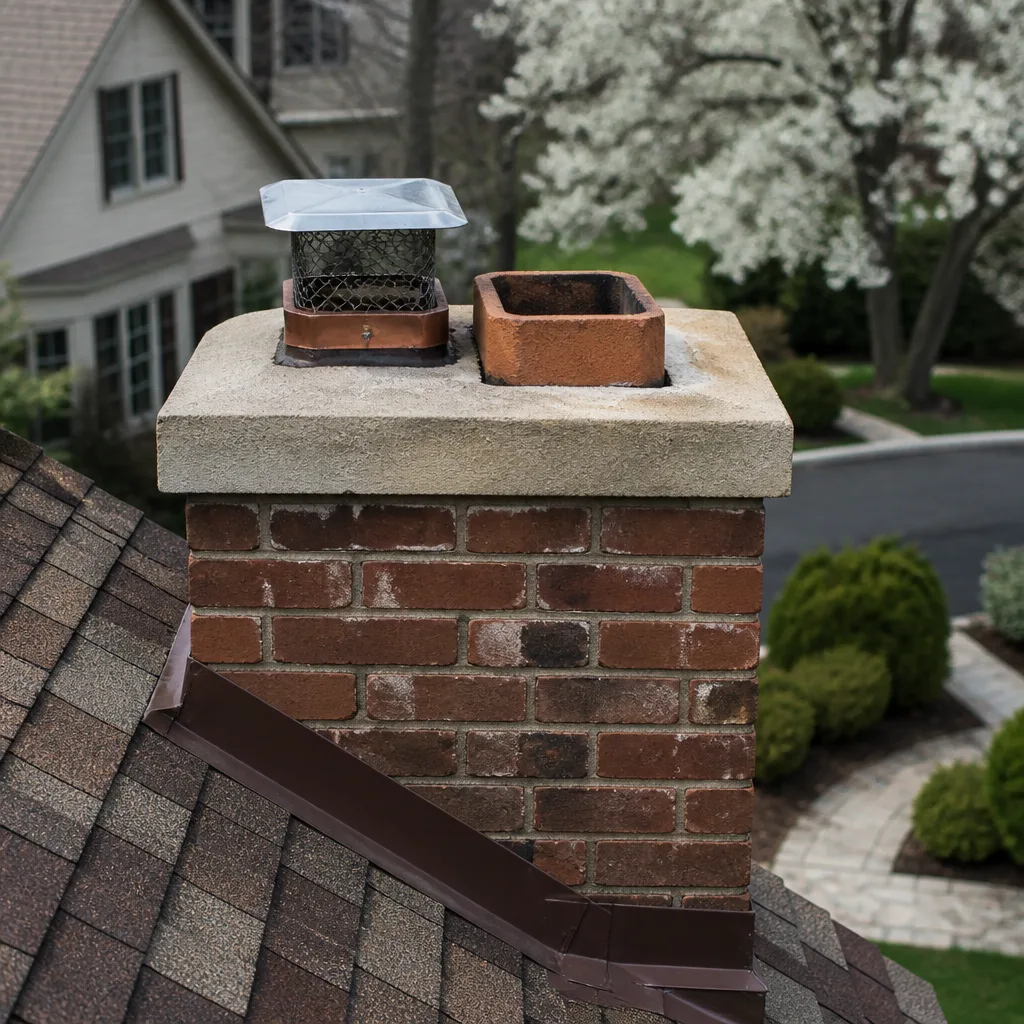 Sweep & inspection
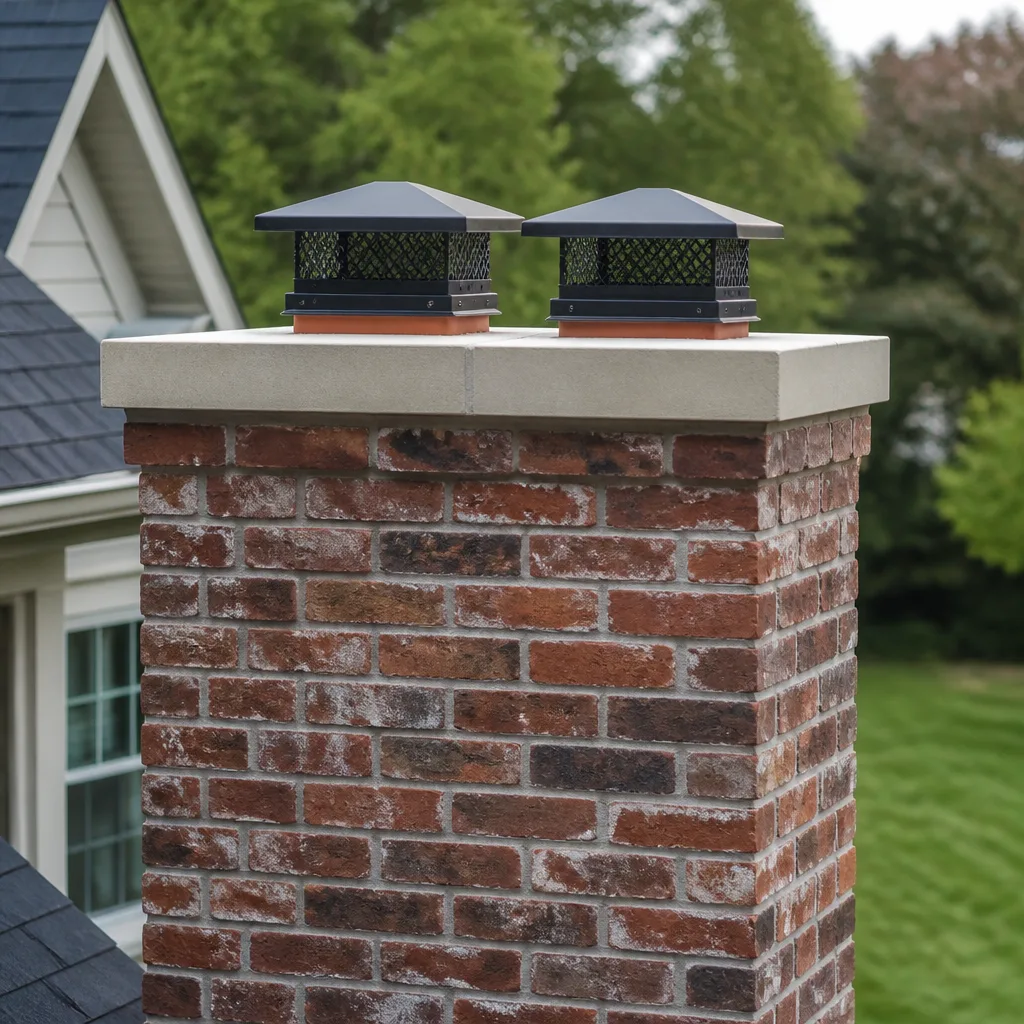 Caps & crowns
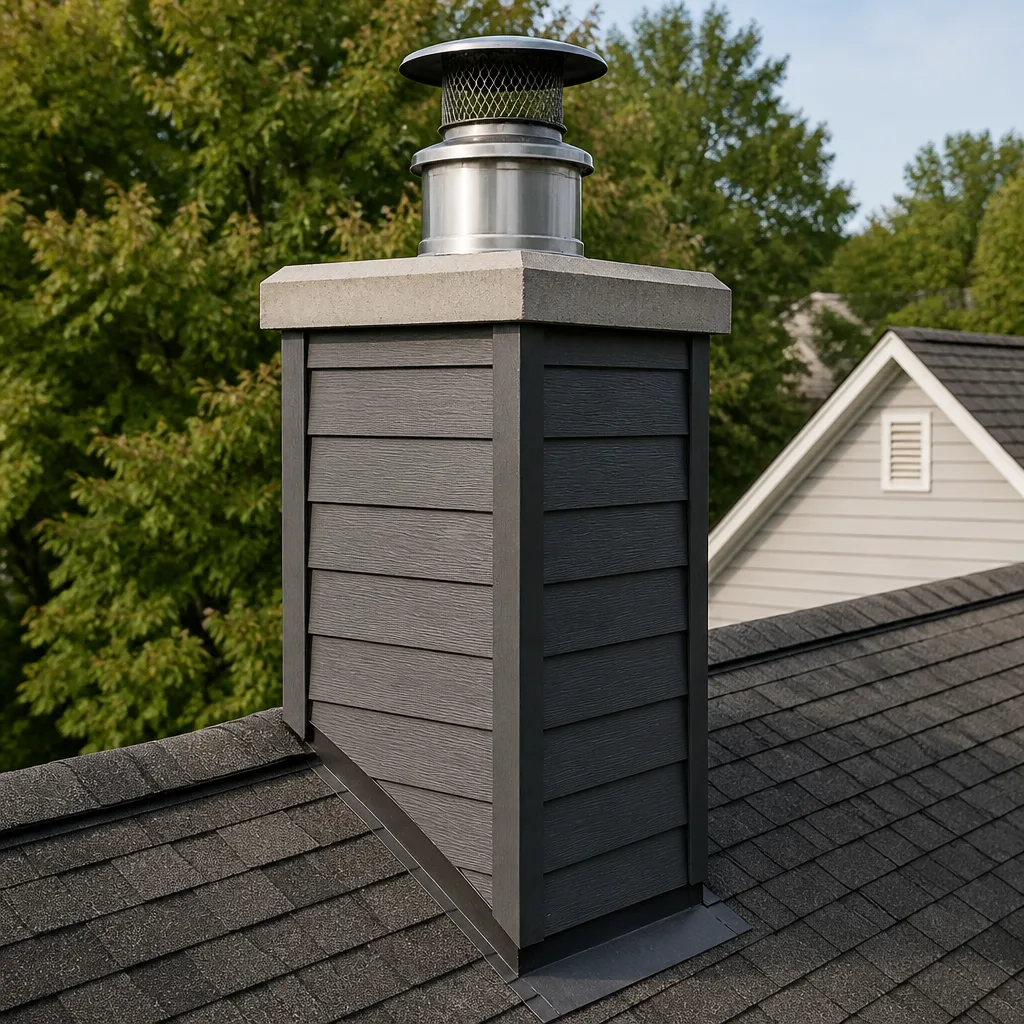 Flue relining
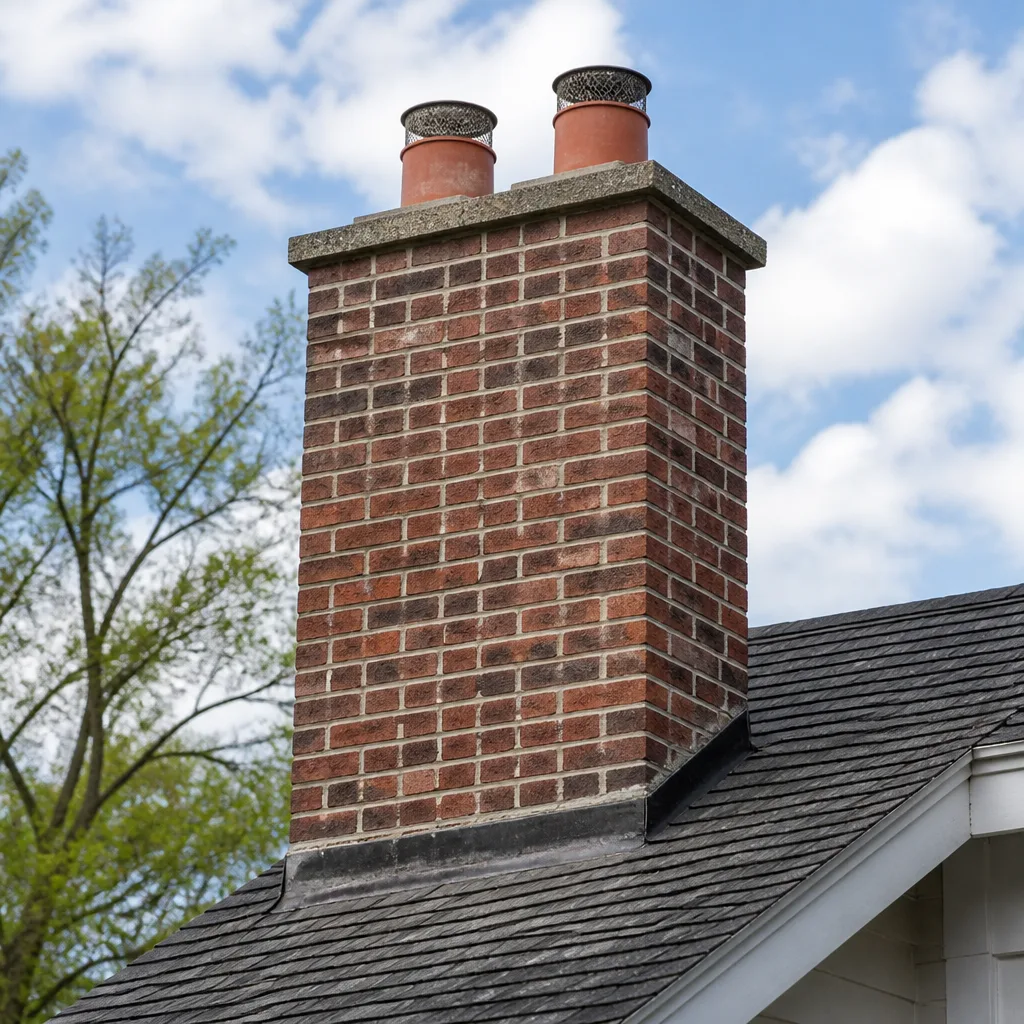 Masonry repair
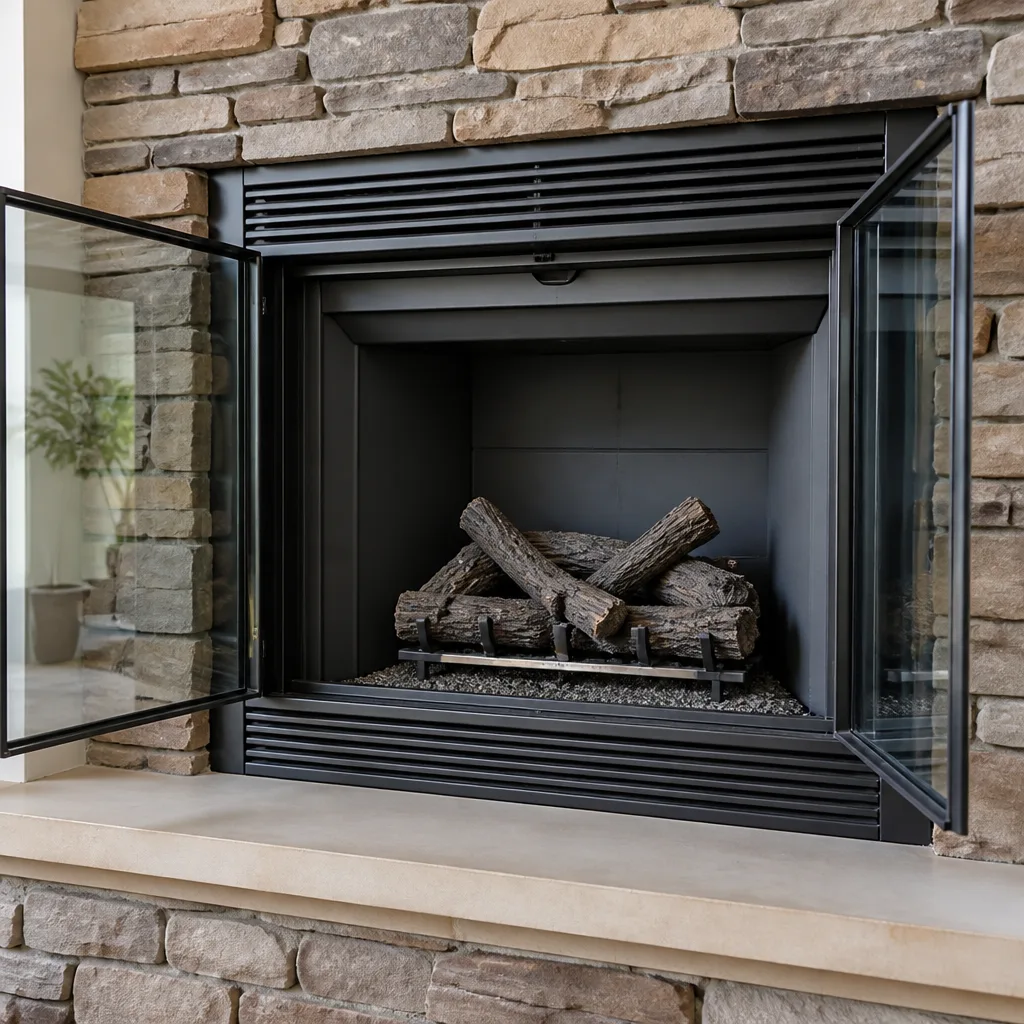 Gas fireplace service
Level 1 sweep and inspection to the NFPA 211 annual standard - flue, crown, cap, and flashing checked and photographed
Chimney sweep logs do not sweep chimneys. They loosen some creosote - which then falls where a brush and vacuum still have to collect it.
DIY vs Professional Chimney Cleaning: The Fort Worth Homeowner’s Decision Guide
A Fort Worth homeowner can legally climb onto her roof with a brush kit from a hardware store, spend a Saturday afternoon scrubbing the flue, and produce a chimney that looks clean from the top down. She can do all of that and still have a homeowner’s insurance claim denied after a chimney fire, because no licensed inspection was on record and no documentation existed to prove the chimney was properly maintained. That is the uncomfortable truth at the center of the DIY chimney cleaning question. This guide walks through what DIY can actually accomplish, what it cannot, what it truly costs in time and tools, and how Texas insurance carriers tend to respond when a chimney fire happens and the only proof of maintenance is a homeowner’s word. For how to hire a chimney cleaning contractor in Fort Worth, see our step-by-step guide. By the end, you will know exactly which parts of chimney care you can handle yourself and which parts belong in the hands of a trained Fort Worth chimney professional.
As part of the Cedarwell family of companies established in 2003, we have spent years looking at chimneys across Fort Worth, from the older brick fireplaces in Ridglea Hills to newer builds out in Alliance. We have seen what consumer brush kits leave behind, and we have seen what a documented inspection means when something goes wrong. This guide is our honest take, written for families in Fort Worth who use their fireplace regularly and want a straight answer, not a sales pitch.
Styles & brands we work with
Quick Answer
DIY chimney cleaning can remove loose soot and light creosote dust from the flue walls, but it cannot identify the stage of creosote buildup, spot cracked flue tiles, evaluate liner condition, or produce the documentation an insurance carrier may require after a chimney fire. For most Fort Worth homeowners, a professional chimney sweep and inspection costs between $180 and $350 and includes a written report, photographic evidence, and a warranty that DIY simply cannot replicate. The short version: if your fireplace gets regular use, the professional route is the safer financial decision even before you factor in the risk of working on a roof.
Table of Contents
- What DIY Chimney Cleaning Can Actually Accomplish
- What DIY Chimney Cleaning Cannot Do
- The Insurance Reality: What Texas Policies Actually Say
- True Cost Comparison: DIY vs Professional in Fort Worth
- The One Scenario Where DIY Makes Sense
- Three Scenarios Where DIY Creates More Risk Than It Eliminates
- What a Professional Cleaning Produces That DIY Cannot
- Common Mistakes to Avoid
- When to Call a Professional
- Frequently Asked Questions
- The Bottom Line
What DIY Chimney Cleaning Can Actually Accomplish
Let us start with what is true. A homeowner who buys a chimney brush kit, follows the instructions carefully, and spends the time can remove loose soot and light, dusty creosote from the flue walls. That is a real result. The brush agitates the surface, the debris falls to the firebox, and you vacuum it up. For a fireplace that has only burned seasoned hardwood a handful of times and has minimal buildup, a DIY sweep can restore the flue to a visually clean state. We are not here to pretend that brushing a chimney is rocket science. It is not. The physical motion of dragging a brush through a flue is something any capable adult can learn from a YouTube video in an afternoon.
What DIY brushing does well is remove the top layer of what has accumulated since the last cleaning. If you have a relatively short flue, straightforward access, and the right-sized brush for your flue dimensions, you can knock down a meaningful amount of soot. The key word here is soot. Soot is the soft, powdery, black dust that forms during incomplete combustion. It brushes away easily. If soot were the only thing that accumulated in a chimney, the DIY route would be far more defensible than it is.
The problem is that Fort Worth fireplaces do not produce only soot. They produce creosote, and creosote is a different animal entirely. In our experience servicing chimneys across Fort Worth, the weather plays a direct role here-something we cover in depth in our seasonal chimney cleaning care guide for Fort Worth. The temperature swings we get in North Texas, cold snaps followed by warm spells, create the exact conditions that accelerate creosote condensation inside the flue. A fire burns hot one night, the flue cools quickly, and the unburned wood gases condense on the flue walls. Over a season of use, that condensation hardens. What starts as a sooty dust becomes a tar-like glaze that a consumer brush kit will not remove, no matter how hard you scrub.
So the honest answer is this: DIY cleaning can accomplish surface-level soot removal. For a lightly used fireplace with a clean burn history, that may be enough for a season or two. Whether it is enough for your specific chimney is a question no brush kit can answer on its own.
What DIY Chimney Cleaning Cannot Do
Here is where the DIY conversation shifts from capability to liability. What a brush kit cannot do is assess what the flue actually looks like after the soot is gone. That assessment requires training and tools that do not come in a box from a hardware store. Specifically, DIY cleaning cannot identify the stage of creosote buildup. Creosote has three recognized stages: first-stage is dusty and removable, second-stage is flaky and harder to dislodge, and third-stage is a hardened, shiny glaze that is highly combustible and often requires chemical treatment or mechanical removal with specialized tools. A homeowner looking down a dark flue with a flashlight is not equipped to tell the difference reliably, and guessing wrong has consequences.
DIY cleaning also cannot perform a structural assessment. Cracked flue tiles, deteriorated mortar joints, a damaged chimney cap, or a liner that has begun to separate from the masonry are all conditions that a sweep brushes right past. These are not cosmetic issues. A cracked flue tile allows heat and combustion gases to reach combustible materials surrounding the chimney chase. In older Fort Worth homes, where brick chimneys have weathered decades of North Texas freeze-thaw cycles, hairline cracks are common and they are invisible from the top of the chimney unless you know exactly what to look for and have the camera equipment to see it.
Then there is the cap and liner inspection. A chimney cap that has shifted or rusted through allows rain into the flue, which mixes with creosote to form an acidic slurry that corrodes the liner from the inside. A liner with a gap or separation is a carbon monoxide pathway into the home. Neither of these conditions can be reliably assessed from the roofline with consumer tools. A proper inspection involves a camera run through the flue, looking at every inch of the liner and the smoke chamber. That is not a DIY activity, and it is not optional if you want to know your chimney is actually safe to use.
See our Chimney Inspection in Fort Worth page for a closer look at what a documented camera inspection covers.
The Insurance Reality: What Texas Policies Actually Say
This is the section most DIY guides skip, and it is the one that matters most to a Fort Worth homeowner facing a claim. Texas homeowners insurance policies are contracts, and like all contracts, they are enforced by their specific language. Most policies contain a provision that covers chimney fires as part of the dwelling coverage, subject to the deductible. But that coverage is not unconditional. Insurers routinely investigate chimney fire claims to determine whether the homeowner exercised reasonable care in maintaining the fireplace and chimney. When the investigation finds no record of professional cleaning or inspection, the claim can be denied on the basis of negligence or lack of maintenance.
What does that look like in practice? If a chimney fire occurs and the homeowner says they cleaned the chimney themselves with a brush kit, the adjuster will ask for documentation. What documentation does a DIY cleaning produce? None. No report, no photographs of the flue interior, no third-party verification that the chimney was in safe working condition before the fire. The homeowner is left arguing that their Saturday afternoon brushing was sufficient maintenance, while the insurance carrier is looking at a policy that may define reasonable care in a way that presumes professional maintenance for a system that carries inherent fire risk.
We are not saying every Texas chimney fire claim is denied when no professional inspection exists. Claim outcomes vary by carrier, adjuster, and policy language. What we are saying is that the risk is real and it is avoidable. A professional sweep that includes a written inspection report creates a paper trail. That report says, on a specific date, a trained technician inspected this chimney and found it in a certain condition. If a fire happens six months later, that report is evidence of reasonable care. It may not guarantee a claim is paid, but it changes the homeowner’s position from defensive to documented. That is not a minor difference when you are standing in a burnt living room arguing with an adjuster.
The specific policy language to review in your own Texas homeowners policy is under the exclusions and conditions sections. Look for wording about “neglect,” “failure to maintain,” or “duty to protect.” Those are the clauses an adjuster will cite if a chimney fire claim is denied. You should also confirm whether your policy has any specific exclusions related to wood-burning appliances. Some carriers in Texas have begun adding endorsements or sub-limits for fireplace-related losses. If your agent cannot answer these questions clearly, ask them in writing.
We have walked Fort Worth homeowners through this conversation more than once. The families who come to us after a scare usually say the same thing: they did not realize their insurance policy cared who cleaned the chimney. It does. And now they do. That awareness is worth more than the cost of a professional sweep, which is our next topic.
True Cost Comparison: DIY vs Professional in Fort Worth
The DIY argument usually starts with cost, so let us look at the real numbers for a Fort Worth homeowner. A consumer chimney brush kit at a local hardware store runs between $40 and $80 depending on flue size and included accessories. That is the number most people quote when they say DIY is cheaper. But the kit is not the whole cost. Not even close.
Here is what a realistic DIY chimney cleaning in Fort Worth actually requires:
- Brush kit: $40 to $80, one-time purchase if you have one flue size.
- Shop vacuum with HEPA filter: $60 to $150. A standard household vacuum will not handle fine chimney soot effectively, and you will want the HEPA filter to keep from blowing soot back into your living room.
- Drop cloths, tarps, and plastic sheeting: $20 to $40 to protect floors and furniture around the hearth.
- Roof ladder or safe roof access: Many Fort Worth homeowners do not own a tall enough ladder for a two-story chimney chase. Renting a ladder or buying one is $50 to $150.
- Disposable coveralls and a respirator: $25 to $50. Creosote dust and soot are not something you want on your skin or in your lungs.
- Disposal: Most Fort Worth residential trash service will accept bagged chimney debris, but if you have a large amount of creosote, you may need to bag it separately and check local disposal requirements. Time and gas to a disposal site add up.
- Time: A first-time DIY chimney cleaning realistically takes four to six hours from setup to final vacuum. That is your Saturday, gone.
Add that up and a first-time DIY effort lands between $195 and $510 in materials alone, before you assign any value to your time. A professional chimney sweep in Fort Worth typically runs between $180 and $350 for a standard cleaning and inspection, depending on chimney height, condition, and whether any additional services are needed. See our chimney cleaning cost breakdown for Fort Worth for a full 2026 reference. The professional price includes the cleaning, the inspection, the report, and the documentation, and it takes about an hour to an hour and a half.
The DIY savings narrative depends on ignoring the full cost of the first-time setup and pretending the homeowner’s time has no value. When you account for both, the professional route is often cheaper in year one, and it is always cheaper when you factor in what you do not get: the report, the camera inspection, and the insurance documentation. For a family in Fort Worth with kids in the living room and a pet that will absolutely walk through whatever soot escapes the drop cloths, the clean-up burden alone is a hidden cost worth naming. Our technicians put down shoe covers and drop cloths before the work begins and take a photo of the clean-up before they leave. That is part of the Kindling Chimney Fort Worth home service standard, and it is part of what the professional price buys.
The One Scenario Where DIY Makes Sense
We do believe there is one scenario where DIY chimney maintenance makes reasonable sense for a Fort Worth homeowner. That scenario is a lightly used fireplace in a home where the chimney was professionally inspected within the last twelve months and the inspection report indicated minimal creosote buildup. In that case, a homeowner who wants to remove light soot between professional visits can do so with a brush kit, provided they are comfortable working on the roof safely and understand that a DIY brushing between inspections is not a substitute for the inspection itself.
The key condition here is the recent professional inspection. That report establishes a baseline. It tells you the flue tiles are intact, the liner is sound, the cap is in place, and the creosote level was at first-stage or lower when the chimney was last examined. If that baseline exists, a homeowner can reasonably brush out light soot mid-season and feel confident they are not masking a structural problem. The professional inspection is the safety net; the DIY brushing is just maintenance between the real checkups.
Even in this scenario, we would advise against skipping the annual professional visit. The most recent measurement is what matters, and a flue that looked fine last January may not look fine this December. The freeze-thaw cycles in Fort Worth do not pause for a homeowner’s schedule. Our recommendation: if you use your fireplace more than a handful of times per season, keep the annual professional sweep and treat any DIY brushing as supplemental, not primary.
Three Scenarios Where DIY Creates More Risk Than It Eliminates
There are three specific situations where a Fort Worth homeowner who chooses DIY chimney cleaning takes on more risk than they remove. These are not hypothetical edge cases. We see them in our work across the city, from older homes in Berkeley Place to newer construction in Walsh.
Scenario 1: The fireplace has not been professionally inspected in more than two years
If the last time anyone looked inside your flue was before the current administration, you have no baseline. You do not know whether the liner is intact, whether the cap survived the last North Texas hail storm, or whether the creosote has moved into second- or third-stage territory. Brushing that flue without that knowledge is like changing the oil in a car whose engine light has been on for a year. You might make it look cleaner, but you have done nothing about the problem you cannot see. A documented Chimney Sweep in Fort Worth from a qualified technician establishes the baseline you are currently missing.
Scenario 2: The chimney has visible signs of water intrusion or masonry damage
If you have noticed water stains on the ceiling near the chimney, efflorescence on the brick, or crumbling mortar joints, the flue is telling you something. Water inside a chimney accelerates creosote deterioration and can damage the liner. Brushing the flue in this condition does nothing to address the water entry, and it may actually dislodge creosote that was holding an already-compromised liner flare in place. The correct response to visible water damage is a professional inspection that includes a camera run and a masonry assessment, not a brush kit from the hardware store.
Scenario 3: Anyone in the home has respiratory sensitivity, including pets
Chimney soot and creosote dust are not benign. They contain fine particulates that can aggravate asthma, allergies, and other respiratory conditions, and that goes for cats and dogs as well as people. A DIY cleaning releases those particulates into the home even with drop cloths and a shop vacuum, because the dust is fine enough to hang in the air and settle on surfaces you did not cover. A professional cleaning in Fort Worth should include containment measures that keep that dust out of the living space, and Kindling uses pet-safe products where there is a choice because the families we serve ask about that specifically. If asthma or pet health is a factor in your household, this is not the job to learn on the fly.
What a Professional Cleaning Produces That DIY Cannot
Let us be concrete about what changes when a Fort Worth homeowner hires a professional chimney company instead of doing it themselves. The difference is not just a cleaner flue. It is documentation, evidence, and a warranty, and each one matters in a different way.
A professional Chimney Sweep in Fort Worth produces a signed inspection report. That report states the condition of the flue, the stage of any creosote buildup, the condition of the cap and liner, and any recommendations for repair or further evaluation. It is dated and signed by the technician who performed the work. That report is the document an insurance adjuster will ask for if a chimney fire occurs. That report is also the document that tells you, the homeowner, whether your fireplace is actually safe to use this winter. DIY produces no report because there is no third party to sign one.
A professional cleaning also produces photographic documentation. At Kindling, our technicians run a camera through the flue and capture images of what the interior looks like before and after the cleaning. Those photos go to the homeowner. You see what the technician saw. When a repair is recommended, like a liner inspection that suggests the flue needs the kind of professional-grade fix that uses HeatShield or DuraFlex materials, the photos show you exactly why. That transparency matters because it eliminates the gap between what the technician claims and what the homeowner can verify. You are not taking anyone’s word for the condition of your chimney. You are seeing it yourself.
Finally, a professional cleaning carries a warranty. When Kindling cleans a chimney in Fort Worth, that work is backed by the 365-Day Done Right Promise. If the work is not done right, we make it right. There is no fine print and no runaround. A brush kit from a hardware store comes with no such assurance. If you miss a spot, or you fail to remove a creosote glaze that a professional would have caught, there is no one to call. The warranty is the difference between work that is guaranteed and work that is guessed at.
Common Mistakes to Avoid
- Using a brush that does not match the flue size. A brush that is too small leaves creosote on the walls and gives you a false sense of a clean chimney. A brush that is too large can lodge in the flue and become a multi-hour extraction project on your roof.
- Skipping the chimney cap inspection. Many Fort Worth homeowners finish their DIY brushing and climb down without checking the cap. A damaged cap is the most common entry point for water, and water plus creosote equals a corroded liner over time.
- Assuming a visual check from the top is enough. Looking down a dark flue with a flashlight tells you almost nothing about the condition of the liner mid-flue or in the smoke chamber. Most structural problems are not visible from the top or bottom with the naked eye.
- Cleaning without sealing off the firebox. Soot dust travels. If the firebox opening is not sealed with plastic and tape before you start brushing, that dust will settle on carpets, furniture, and curtains throughout the room, and it will not all come up with a vacuum.
- Waiting until the first cold snap. Fort Worth chimney companies book out weeks ahead during peak season. If you wait until a cold front is forecast, you may be using a fireplace that has not been inspected and cannot get on a schedule. Plan ahead.
- Ignoring a smoky fireplace because the flue looks clean. Smoke backing into the room is a symptom, not the problem. It often means the flue is obstructed somewhere you cannot see, or the smoke chamber is not functioning correctly. Brushing the flue will not fix either.
- Treating a DIY brushing as a substitute for an annual inspection. The brushing addresses soot. The inspection addresses safety. They are different jobs, and skipping the second one because you did the first is how problems compound silently for years.
When to Call a Professional
Call a chimney professional when any of these is true: your fireplace has not been inspected within the last year, you have burned more than a cord of wood since the last cleaning, you notice a strong odor coming from the fireplace when it is not in use, you see visible creosote flakes or a shiny glaze on the flue walls, or you have any doubt about the structural condition of the chimney. Those are the signals that DIY has reached its limit and a trained eye is needed. Kindling Chimney Fort Worth offers free estimates in Fort Worth, and our Fireplace Repair in Fort Worth team can assess what you are seeing and give you a straight answer. Call (682) 382-9934 and a live person will answer, day or night. We are part of the Cedarwell family of companies, established in 2003, and every visit starts with the Cedarwell Care Promise: a written price before work begins, shoe covers and drop cloths before anything else, and a photo of the clean-up before we leave.
Frequently Asked Questions
A standard chimney sweep and inspection in Fort Worth typically costs between $180 and $350, depending on chimney height, condition, and whether additional services like a camera inspection or creosote treatment are needed. The price includes the cleaning, the inspection report, and photographic documentation. Call (682) 382-9934 for an exact quote for your chimney, and you will get a written price before any work starts. Estimates are free.
Yes, there is no law in Fort Worth or Texas that requires a license to clean your own chimney, and you can buy brush kits at local hardware stores. The question is not whether you can, but whether you should, given that DIY cleaning cannot assess creosote stage, liner condition, or structural integrity. If your fireplace has been recently inspected by a professional and the report showed minimal buildup, a DIY brushing between visits can work. Otherwise, the risk outweighs the savings.
Most Texas homeowners policies include chimney fire damage under the dwelling coverage, subject to your deductible and the policy’s conditions. However, insurers routinely investigate chimney fire claims for evidence of proper maintenance, and a denial can follow if there is no documentation of professional cleaning or inspection. Review your policy for language about neglect or failure to maintain, and consider whether your last chimney inspection would satisfy an adjuster’s questions.
The National Fire Protection Association standard, which applies in Fort Worth, says chimneys should be inspected at least once a year and cleaned whenever creosote buildup reaches a level that presents a fire hazard. For a fireplace that gets regular seasonal use, that usually means an annual cleaning and inspection. Fort Worth’s temperature swings can accelerate creosote condensation, so do not assume a lightly used fireplace is automatically safe after multiple years without a professional look.
The primary risk of a neglected chimney in Fort Worth is a chimney fire caused by ignited creosote, which can spread to the home’s structure. A secondary risk is carbon monoxide intrusion if the flue is obstructed or the liner has failed, and a third is water damage from a cap or crown that has deteriorated. None of these risks are visible from the outside. An annual inspection is the cheapest way to find them before they find you. Call (682) 382-9934 to schedule one.
Yes, where there is a choice in cleaning products, Kindling Chimney Fort Worth uses pet-safe options because the families we serve include children and animals who live in the space around the fireplace. Our technicians are background-checked and uniformed, and they follow the C.A.R.E. values on every visit: shoe covers and drop cloths go down on arrival, nothing is moved without asking, and a photo of the clean-up is taken before the crew leaves. That standard is part of the Cedarwell Care Promise on every job we do in Fort Worth.
The Bottom Line
The DIY chimney cleaning question is not really about cost. It is about documentation, liability, and what you cannot see from the top of a ladder. A Fort Worth homeowner can save a little money brushing a flue and still end up holding the full cost of a chimney fire claim denied for lack of maintenance records. The professional route costs $180 to $350, produces a signed report and photographs an insurance adjuster will accept, and carries a warranty. For a family in Fort Worth that lights the fireplace all winter, that is not an upgrade. It is the baseline. Call (682) 382-9934 and get a written price before any work begins. That is the whole purpose of this guide, and it is the way we work on every chimney we touch. For more guides & resources on chimney care in Fort Worth, visit our blog.
Written by Danny Cortes, Owner at Kindling Chimney Fort Worth, serving Fort Worth since 2003.
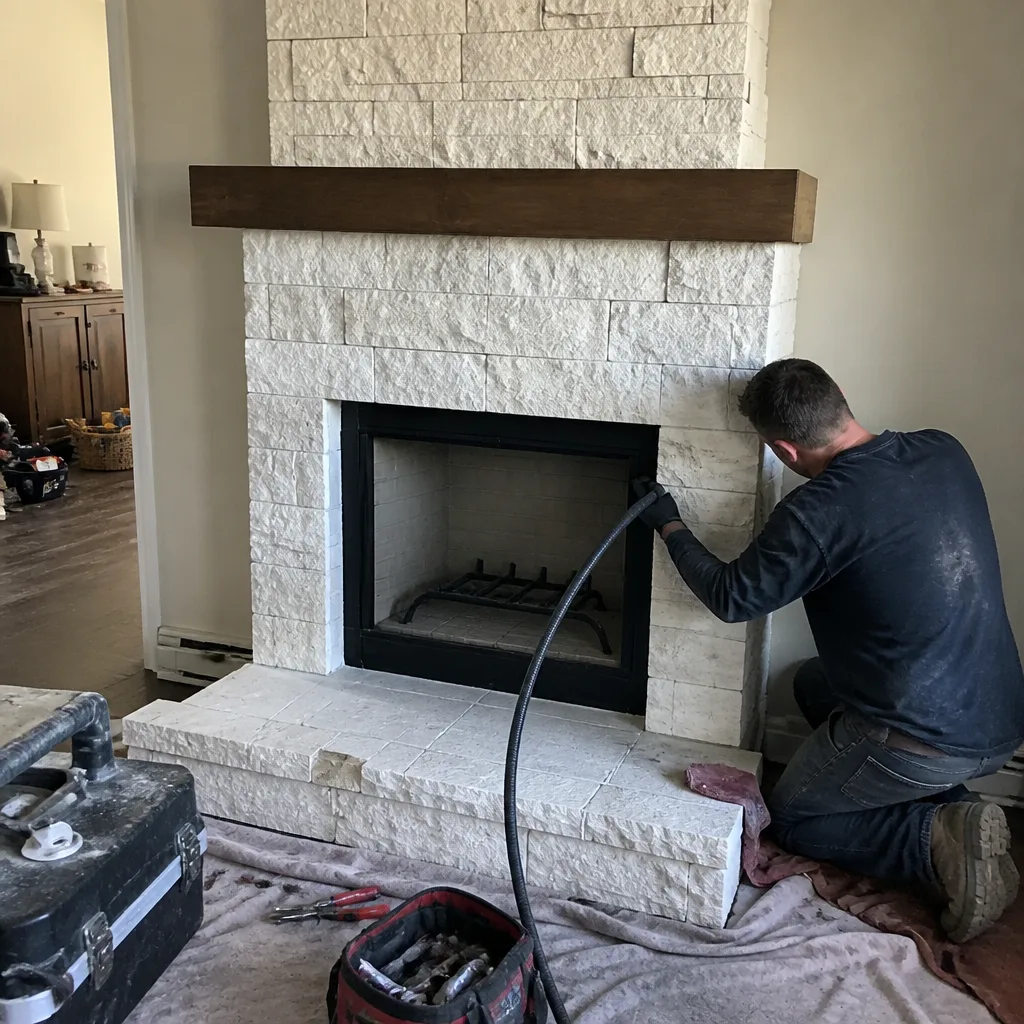
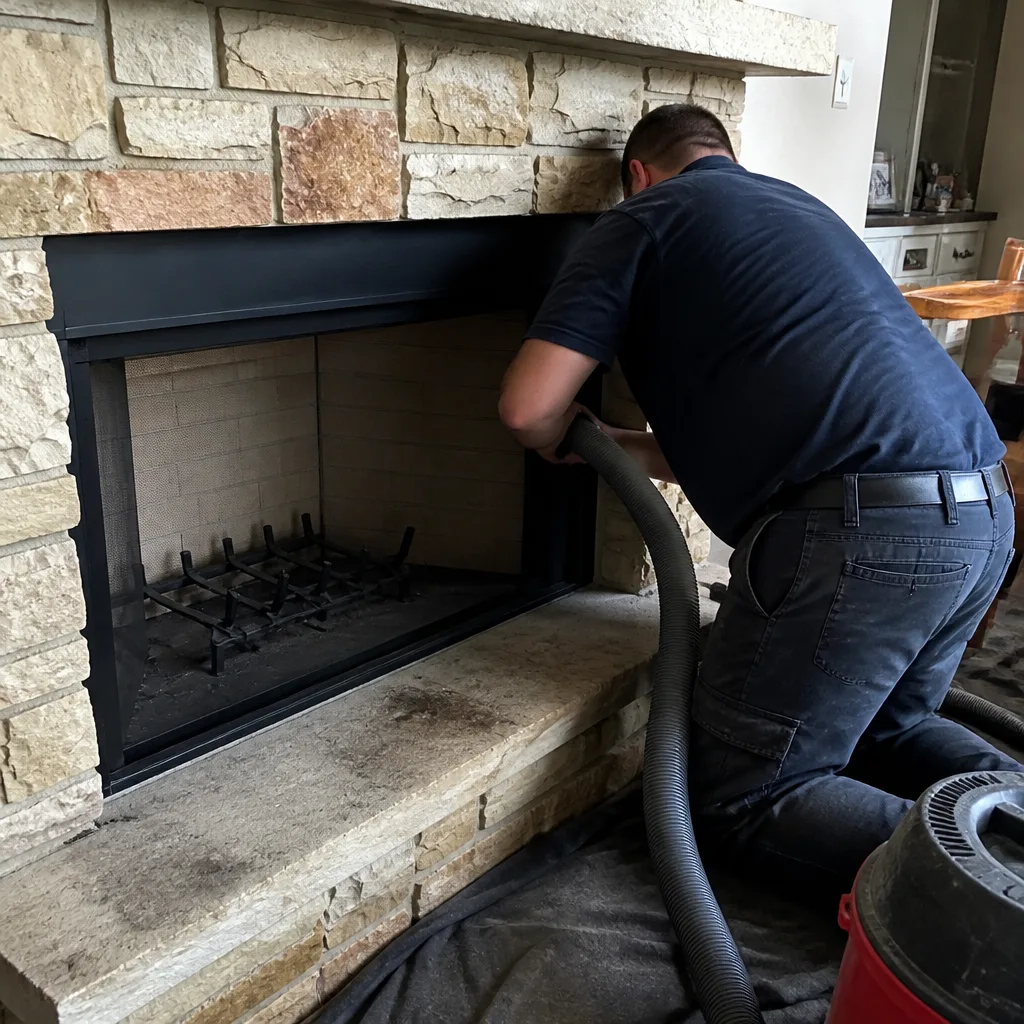
See the difference
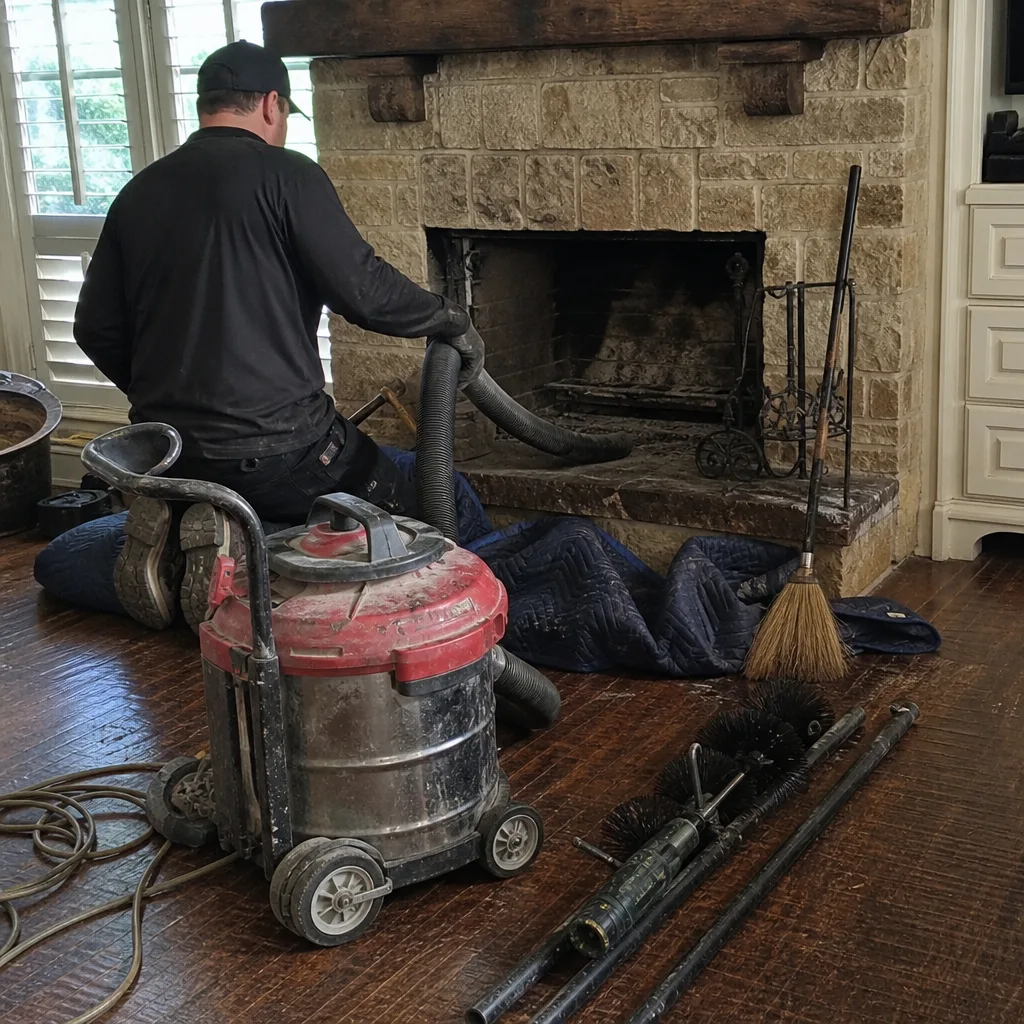 Before
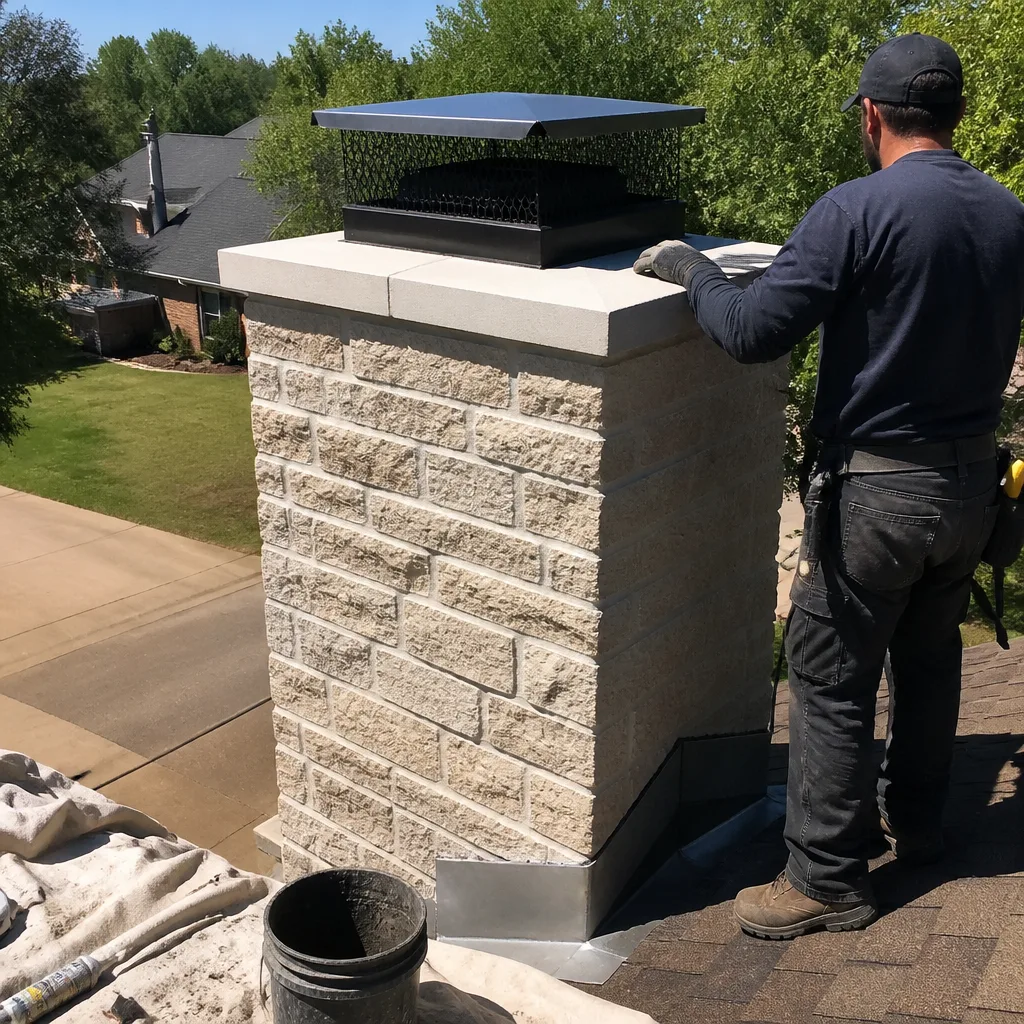 After
After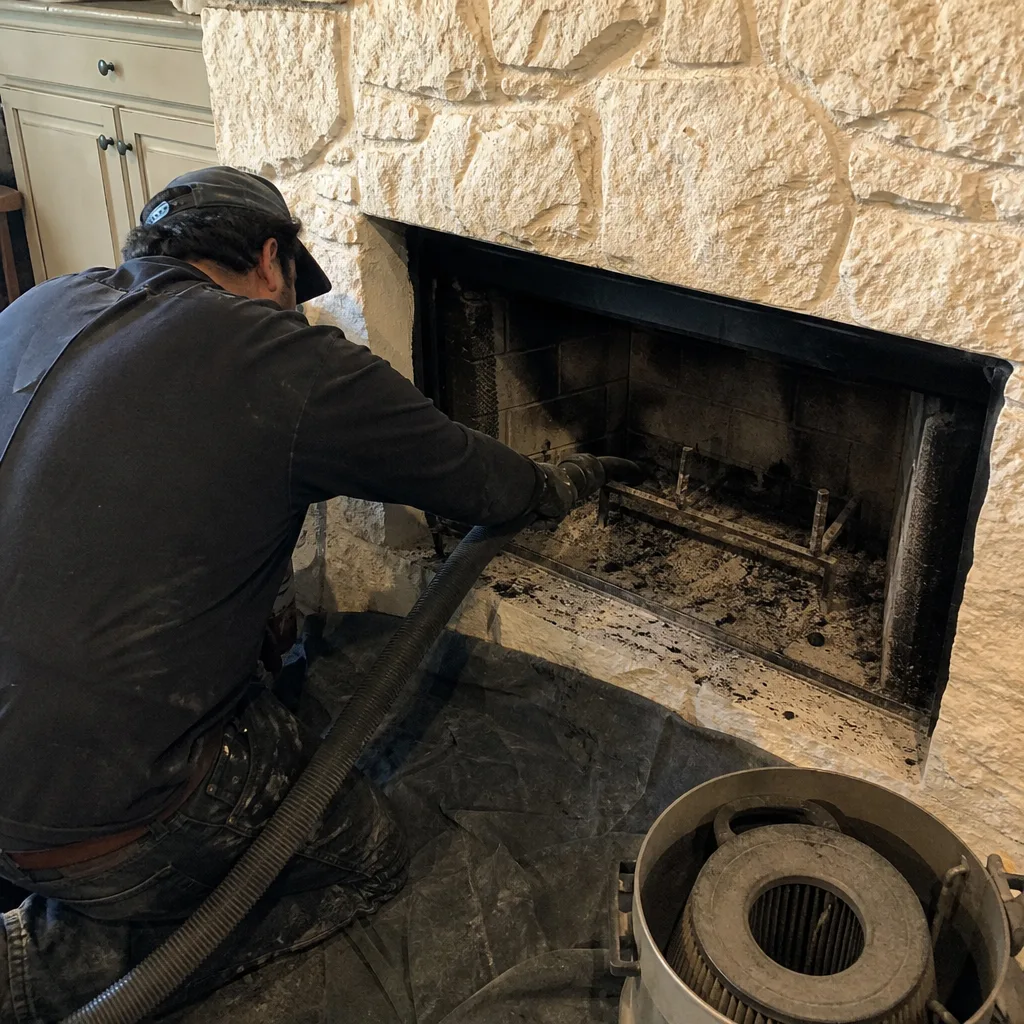 Before
 After
After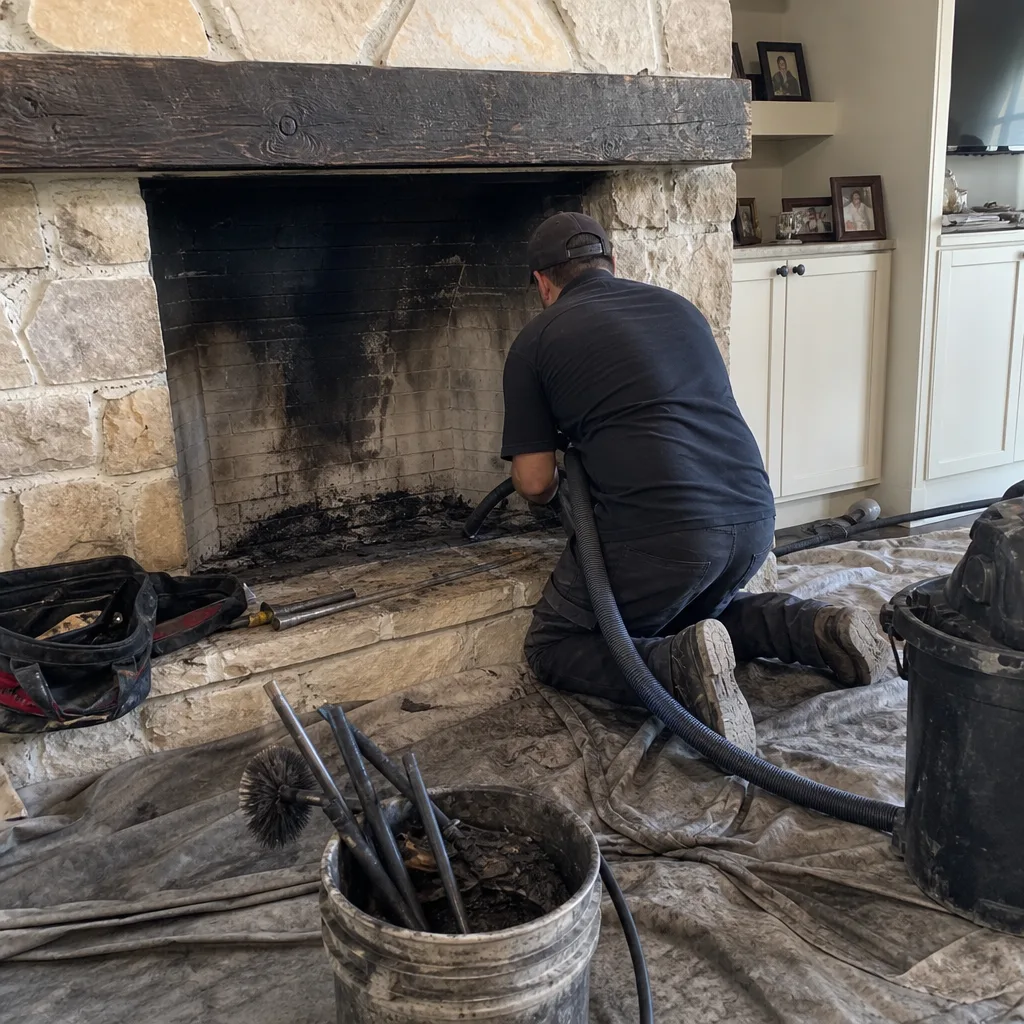 Before
 After
After