
Last updated October 15, 2026
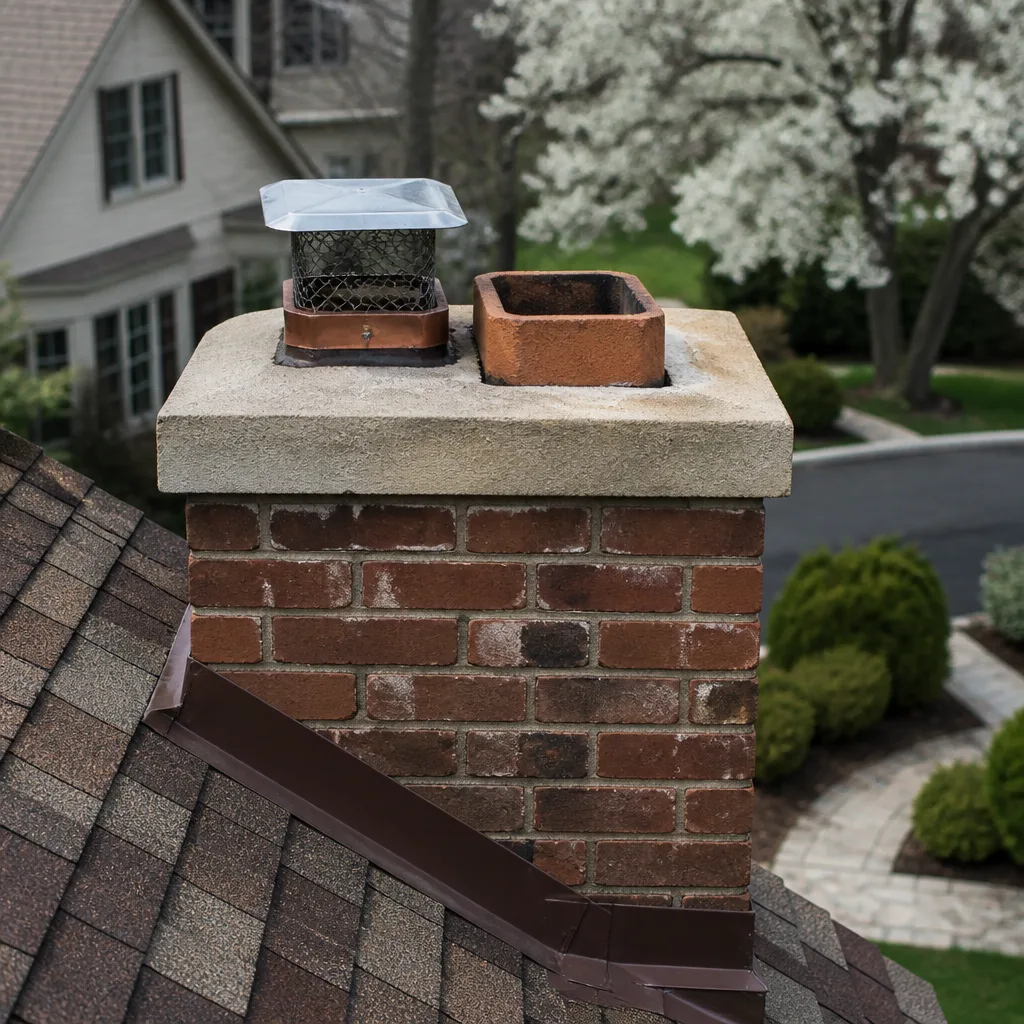 Sweep & inspection
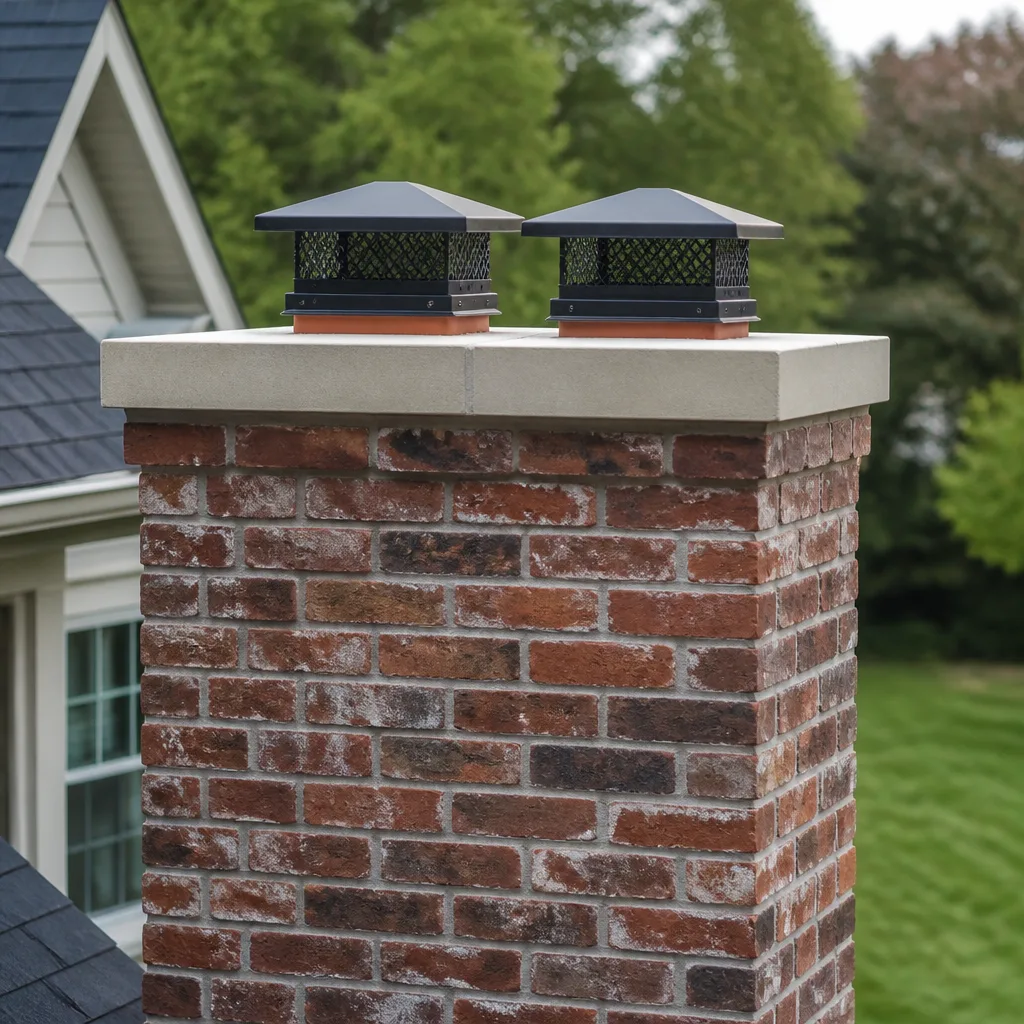 Caps & crowns
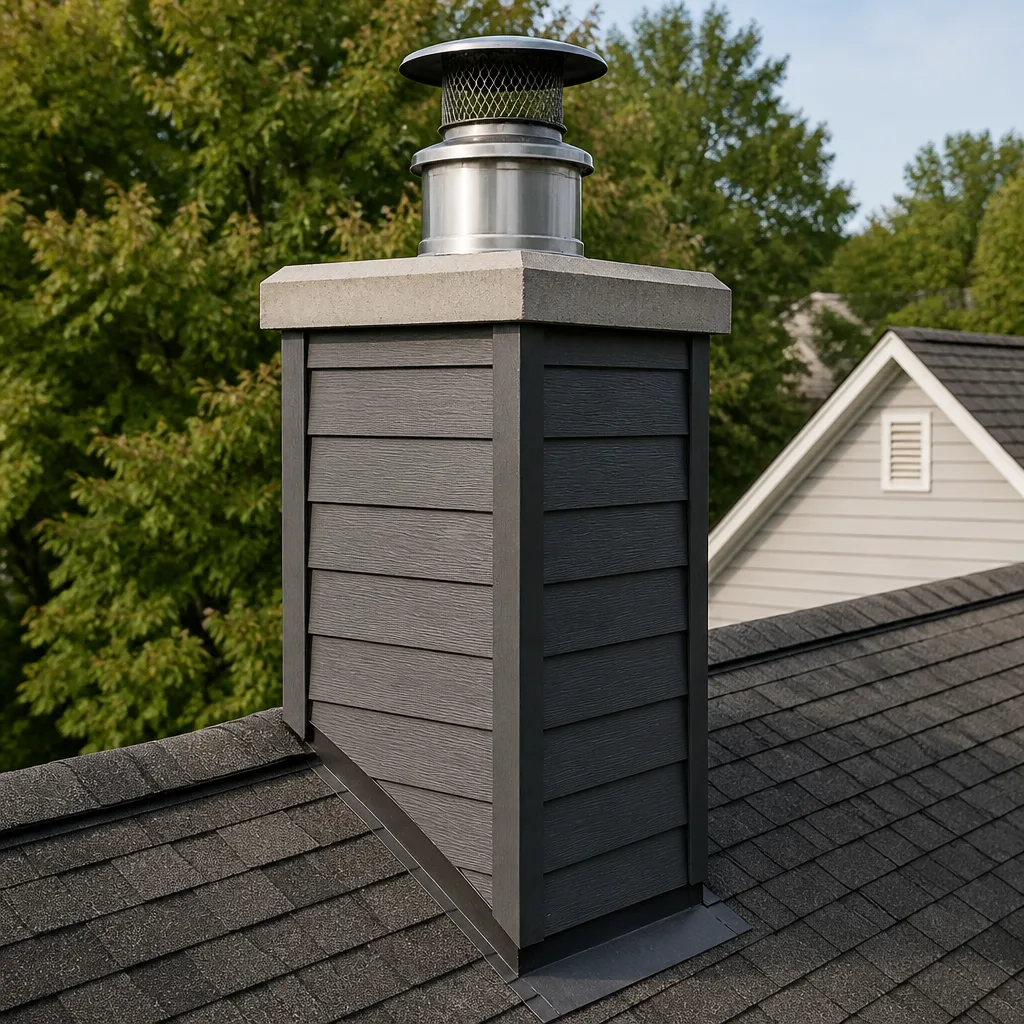 Flue relining
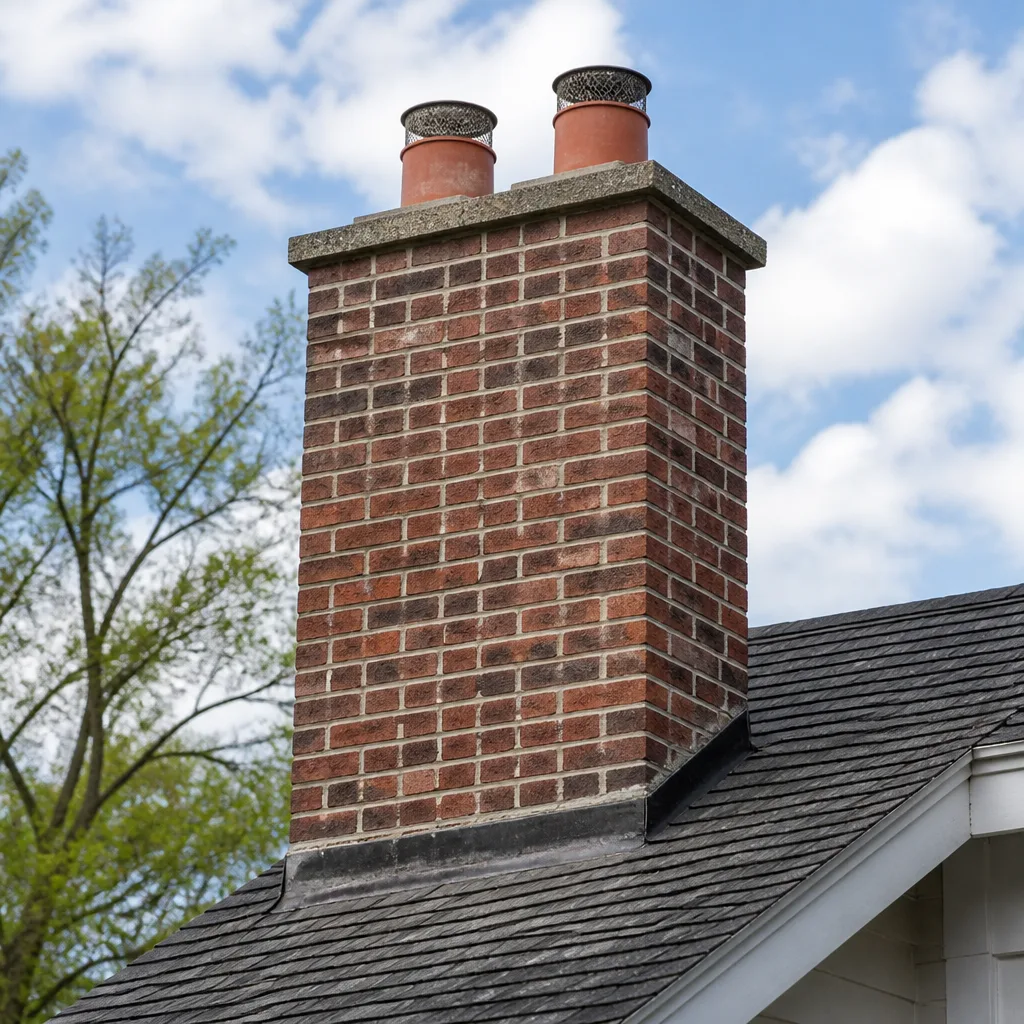 Masonry repair
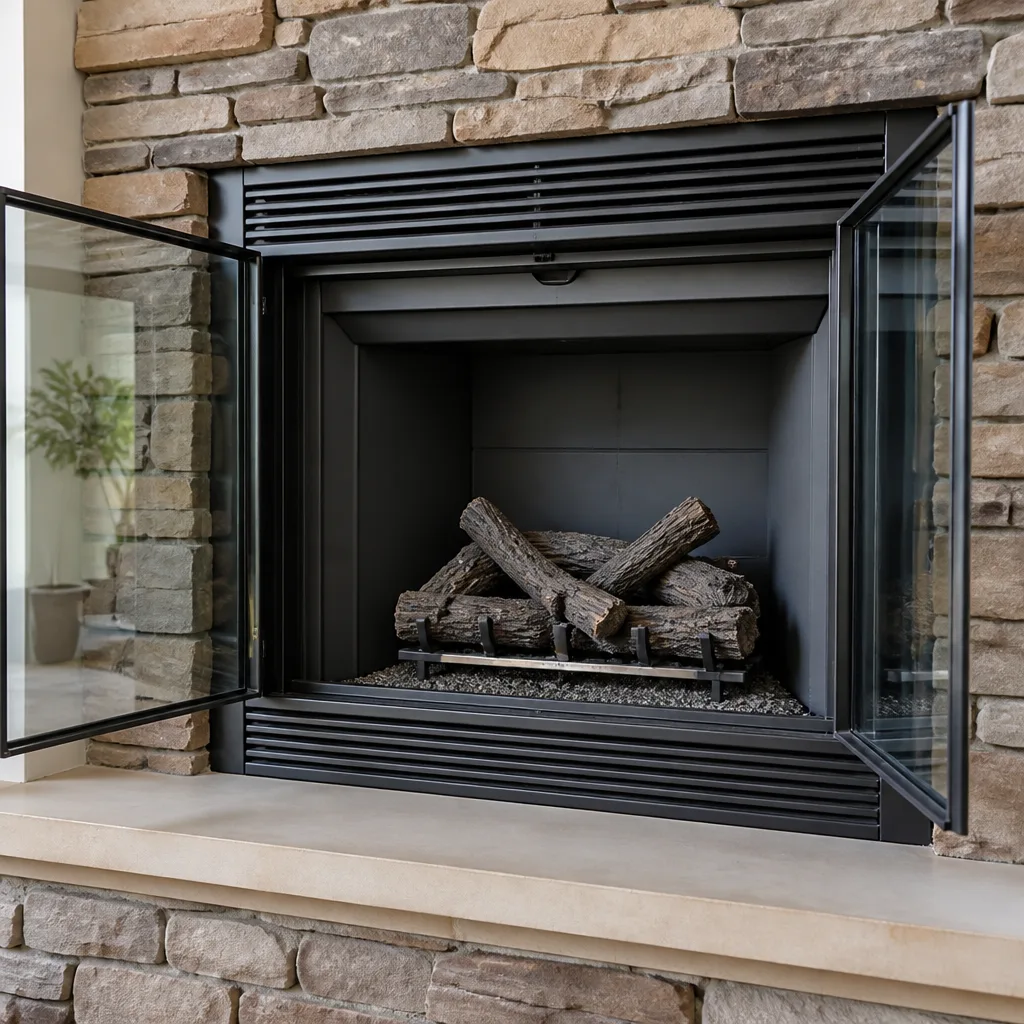 Gas fireplace service
Level 1 sweep and inspection to the NFPA 211 annual standard - flue, crown, cap, and flashing checked and photographed
Chimney sweep logs do not sweep chimneys. They loosen some creosote - which then falls where a brush and vacuum still have to collect it.
Chimney Cleaning Permits, Codes & Inspections in TX: What You Need to Know
A Fort Worth homeowner paid $400 to have a cracked flue liner repaired without a permit. The work looked fine. The firebox drew well. Two years later, at closing, the buyer’s inspector flagged the unpermitted structural work inside the firebox. The sale stalled for six weeks while the seller scrambled to pull a retroactive permit, schedule a reinspection, and negotiate a repair credit. That $400 repair ended up costing roughly $2,300 in delays, fees, and concessions. This guide exists so that doesn’t happen to you. We’ll walk through precisely where the permit line sits in Texas, what Fort Worth code enforcement actually checks, and which documents you need to keep after any chimney work.
Styles & brands we work with
Quick Answer
Routine chimney sweeping and Level 1 visual inspections do not require a permit anywhere in Texas, including Fort Worth. Chimney repairs, liner replacements, and structural work inside the firebox generally require a city permit. The confusion between “cleaning” and “repair” is where most Fort Worth homeowners get caught.
Table of Contents
- The Texas Permit Landscape: Cleaning vs. Repair
- What Fort Worth Code Specifically Says
- NFPA 211 Inspection Levels and Permit Triggers
- How to Verify a Contractor Pulled the Correct Permit
- Insurance Implications of Unpermitted Chimney Work
- Documentation to Keep After Any Chimney Repair
- Common Mistakes to Avoid
- When to Call a Professional
- Frequently Asked Questions
- The Bottom Line
The Texas Permit Landscape: Cleaning vs. Repair
Texas has no statewide permit requirement for chimney sweeping. The Texas Department of Licensing and Regulation does not license chimney sweeps, and no state agency issues a “chimney cleaning permit.” That part is simple. What trips people up is the word “cleaning” getting stretched to cover work that is actually repair. Sweeping removes creosote and soot from the flue. It does not change the structure. Repair changes the structure, even in small ways: repointing mortar joints, replacing a damper, patching a smoke chamber, installing a new flue liner. The moment the work touches the structural integrity of the chimney or firebox, Texas building codes adopted at the local level kick in. In Fort Worth, that means the city’s building permit requirements under the adopted International Residential Code, and those are not optional.
We see this confusion constantly in Fort Worth neighborhoods like Arlington Heights, Mistletoe Heights, and Ridglea. A homeowner books a “chimney sweep” because that’s the phrase they’ve heard. The technician arrives, inspects, and finds a cracked flue tile. Now the job has shifted from cleaning to repair, and the homeowner doesn’t realize the permit obligation shifted with it. A reputable company will stop and explain that before any work begins. A less careful company will quietly proceed, and the homeowner finds out about the missing permit years later at closing or after an insurance claim.
The same line applies to fireplace restoration. Cleaning out the ash pit is maintenance. Rebuilding the firebox floor is repair. Replacing the refractory panels is repair. Replacing the chimney cap might be either, depending on whether the new cap changes the flue configuration or simply replaces an existing unit in kind. In our experience, any time you’re unsure which side of the line a job falls on, ask the contractor to put the scope of work in writing with a note on whether a permit is required. A written scope protects you regardless of which direction the permit line runs.
What Fort Worth Code Specifically Says
The City of Fort Worth follows the International Residential Code (IRC), with local amendments. Under the IRC, masonry chimneys, factory-built chimneys, and venting systems must be installed and repaired to specific standards. The city requires a building permit for any repair that goes beyond ordinary maintenance. Fort Worth defines ordinary maintenance narrowly: replacing a like-for-like component without altering dimensions, materials, or structural integrity. Beyond that, a permit is generally required. A flue liner replacement, even with the same type of liner, typically requires a permit because the liner is considered part of the structural flue system. A brick repointing job on the exterior chimney stack may require a permit if it affects more than a small area or if mortar joints are ground out beyond a certain depth.
Fort Worth’s permit process for chimney work falls under the Residential Building Permit category. The city requires a description of the work, the property address, and in many cases a simple diagram or manufacturer spec sheet for the new components. The permit fee is based on the valuation of the work, but a straightforward liner replacement or firebox repair in Fort Worth generally runs between $75 and $250 in permit costs. The inspection is a visual review by a city inspector, usually scheduled within a few days of the completed work. The inspector checks that the installed materials match the permit application, that clearances are correct, and that the work matches code requirements for masonry or factory-built fireplace systems.
There’s a nuance worth knowing: Fort Worth does not inspect the interior of the flue with a camera. The inspector looks at the firebox, the damper area, the chimney exterior, and the attic or chase where the chimney passes through. A camera inspection of the flue interior is the chimney technician’s job, not the city inspector’s. That’s why a Chimney Inspection in Fort Worth matters as a separate step from the permitting process. The city confirms the work matches code. A proper NFPA inspection confirms the flue actually functions the way it should.
For a full discussion of what the sweeping and repair process looks like in the Fort Worth market, see our Chimney Sweep in Fort Worth page.
NFPA 211 Inspection Levels and Permit Triggers
NFPA 211 is the national standard governing chimneys, fireplaces, vents, and solid fuel burning appliances. It defines three inspection levels, and each level correlates with a different likelihood that repair work, and therefore permits, will enter the picture.
Level 1: A visual inspection of readily accessible areas of the chimney, firebox, and exterior. This is the inspection you get with a routine sweep. It involves no tools beyond a flashlight and basic gauges. Level 1 inspections almost never trigger a permit because they rarely reveal conditions requiring structural work. If Level 1 reveals a problem, the technician typically recommends escalating to a Level 2 inspection rather than jumping straight to repair.
Level 2: A more detailed inspection using video camera scanning of the flue interior. NFPA requires a Level 2 inspection when the home is sold, after an operating malfunction, or after a weather event like the thunderstorms and wind events Fort Worth gets in spring and fall. This is where permits typically enter the conversation. A Level 2 inspection is what reveals a cracked flue liner, a slipped tile, or a damaged smoke chamber. If the finding requires repair, the permit conversation starts.
Level 3: An invasive inspection that may require opening walls, removing chimney components, or accessing concealed spaces. Level 3 is rare. When it happens, it usually means significant structural damage is already suspected, and any repair work following a Level 3 inspection will almost certainly require a permit, possibly multiple permits if the work extends beyond the chimney into surrounding framing or roofing.
The practical takeaway for Fort Worth homeowners: if your inspector uses a camera, that’s a Level 2. If the camera finds something broken, ask the difficult question on the spot: “Does this need a permit?” A Fireplace Repair in Fort Worth provider who handles permits regularly will have a clear answer. If the answer is vague, get it in writing. Vague answers about permits turn into expensive closing problems.
How to Verify a Contractor Pulled the Correct Permit
Fort Worth’s public permit portal lets any homeowner look up permits by street address. The portal is called the Fort Worth Accela Citizen Access, and it’s accessible from the city’s Development Services page. Here’s how to use it to protect yourself before writing a check.
- Ask for the permit number before the work starts. A contractor who has actually pulled the permit will have a number within a day or two of application. If they say they’ll get it “next week” and the work starts tomorrow, that’s a red flag. In our experience, the permit should be in hand before the first tool comes off the truck.
- Look up the address on the Accela portal. Enter your street address and confirm that a permit appears with a scope matching the work described in your contract. The scope should say chimney repair, flue liner replacement, firebox rebuild, or something equivalent. A permit that says “miscellaneous” or “general repair” without detail is not specific enough.
- Verify the inspection status after the work is done. A permit is only half-finished if the inspection never happens. The portal will show whether the final inspection was passed. If the contractor finished the work months ago and the permit still shows “issued” but not “finaled,” call them. An unfinalized permit can come up during a sale.
- Keep a copy of the permit and the final inspection record. Download the documents from the portal or scan your paper copies. They belong in the same file as your closing documents, your insurance policy, and your home warranty paperwork.
This is the single most overlooked step in Fort Worth chimney work. Homeowners assume the contractor handled it. Contractors often do handle it. But assumptions are not documentation. Our Kindling Chimney Fort Worth home service area is full of homes that changed hands with unpermitted work from previous owners, and the buyer inherited a headache that could have been avoided with a five-minute portal search.
Insurance Implications of Unpermitted Chimney Work
Here’s what happens if an insurance claim follows a chimney fire and the insurer discovers the chimney had been repaired without a permit. The insurer’s adjuster reviews the fire report and the repair history. If a recent repair is found, the adjuster may ask for the permit. No permit means the work was never inspected for code compliance. The insurer may deny the claim on the grounds that the homeowner or a prior contractor made unpermitted modifications that contributed to the loss. This is not a hypothetical. Texas insurance law gives insurers room to deny claims when material misrepresentation or unpermitted work is involved, and chimney fires are a category where adjusters look hard.
The denial doesn’t have to be this dramatic. Sometimes the insurer pays the claim but reduces the settlement, citing the homeowner’s failure to maintain a permitted, code-compliant chimney system. Other times the insurer accepts the claim but then declines to renew the policy. Each of these outcomes is worse than the simple act of pulling a permit before a repair, which costs a few hundred dollars and a week of wait time.
The same risk applies when a home inspector flags unpermitted chimney work during a sale. The buyer’s lender may require the issue to be resolved before closing. That means the seller pays for a retroactive permit, an inspection, and often a repair of the repair. We’ve seen this play out in neighborhoods all over Fort Worth, from established central areas like Berkeley Place to newer construction in Alliance and near Eagle Mountain Lake.
The protection is straightforward: require permits for all repair work, keep the documentation, and furnish the records to the buyer at closing. That file protects the insurance standing and the sale. For additional context on how inspections work and why they matter before repair, see our Chimney Inspection in Fort Worth page.
Documentation to Keep After Any Chimney Repair
After any chimney repair in Fort Worth, you should leave the job with a specific set of documents. Think of it as the chimney’s medical record. It lives in the same folder as your closing documents, and it matters just as much if you ever sell, file an insurance claim, or need a subsequent repair.
- The written scope of work. A document that says exactly what was repaired, what materials were used, and what the condition of the chimney was before the work began. Scope documents that mention specific brands like DuraFlex, HeatShield, or Gelco tell the next inspector or buyer that the work used recognized materials rather than whatever was cheapest at the supply house.
- The city permit. A copy of the permit issued by the City of Fort Worth for the repair work, with the permit number visible.
- The final inspection record. Proof that a Fort Worth code inspector conducted a final inspection and passed the work. This is the document that closes the permit loop.
- Before and after photos. If the technician used a camera inspection, the video or still images from the flue interior before and after the repair belong in your file. They demonstrate the condition of the flue and the quality of the finish.
- The manufacturer warranty or system documentation. If a new liner or a repair product like a HeatShield resurfacing was installed, the manufacturer documentation should be in the file. This protects you if a defect claim ever arises.
- A written price and payment record. Before any work began, you should have received a written price. After payment, keep a receipt that matches the scope. At Kindling, a written price before any work starts is always included, never optional. It’s not a convenience, it’s the method.
The goal of this file is simple: anyone reviewing the home’s history should be able to see exactly what was done, what it cost, who did it, and under what permit. That file answers the buyer’s inspector, the insurance adjuster, and the next chimney technician in one place.
Common Mistakes to Avoid
- Assuming a chimney sweep includes a full inspection. A sweep removes creosote. An inspection evaluates condition. They’re different services, and a $99 sweep that doesn’t include a Level 1 inspection hasn’t told you whether your flue is sound. In Fort Worth, the best providers sell the sweep and the inspection together, or at least state clearly what the sweep does and doesn’t cover.
- Letting a repair happen without a permit because the contractor said it was “just a small fix.” The size of the repair doesn’t determine the permit. The type of work determines the permit. If a flue tile is cracked, the repair is structural, and Fort Worth code likely requires a permit. Small doesn’t mean exempt.
- Not checking the permit portal before paying the final invoice. The permit is only as good as the final inspection. If the permit was pulled but never inspected, you’ve paid for a half-finished compliance process. Check the portal before the last check clears.
- Keeping no documentation and hoping it never comes up. The day it comes up is usually the worst possible day: during a home sale, after an insurance claim, or when a new problem is discovered and the technician needs to know what was done before. A documentation file costs nothing.
- Confusing the city inspection with the chimney inspection. The City of Fort Worth inspector checks code compliance. The chimney technician inspects the flue’s functional condition. Both matter, and neither replaces the other.
- Using a licensed general contractor who has never touched a chimney, thinking the license covers the chimney work. The license covers the work the contractor is qualified to do. Chimney systems have specific clearance, drafting, and material requirements under NFPA 211. A general contractor without chimney experience can create a code violation just as easily as an unlicensed handyman, and the permit process won’t catch errors that are hidden inside the flue.
When to Call a Professional
You should call a professional chimney company whenever the work involves anything beyond ordinary use and basic cleaning. Specifically: if you see cracked or missing mortar on the exterior stack, if you notice water staining on the ceiling near the chimney, if you smell smoke in the house after using the fireplace, if the fireplace has not been inspected in more than a year, or if you’re buying or selling a home near a fireplace that’s in daily use. These are the situations where a Chimney Sweep in Fort Worth provides more than routine maintenance: they identify the extent of the problem, define what’s repair versus maintenance, and set the permit conversation on the right track from the start. Kindling Chimney Fort Worth offers free estimates in Fort Worth. Call (682) 382-9934 and we’ll tell you plainly what you’re looking at, whether a permit is likely, and what the written price would be before any work begins.
Frequently Asked Questions
No. Routine chimney sweeping and Level 1 visual inspections do not require a permit anywhere in Texas, including Fort Worth. Permits enter the picture only when the work crosses from cleaning into repair or structural modification.
Flue liner replacement, firebox rebuilds, smoke chamber repair, substantial repointing, and any work that alters the structure of the chimney or its dimensions generally require a City of Fort Worth building permit. A rule of thumb: if the work changes the chimney’s structure or the materials inside it, assume a permit is needed until you’ve confirmed otherwise.
Visit the Fort Worth Accela Citizen Access portal, search by street address, and look for a permit matching the scope of work described in your contract. After the work is done, verify that the final inspection shows a passed status. Keep a copy of both records.
The buyer’s inspector may flag the work during the inspection period. The buyer’s lender may require the issue to be resolved before closing. That typically means the seller pays for a retroactive permit, a city inspection, and whatever repairs or corrections the inspector requires, plus the carrying costs of any closing delay.
It depends on the insurer and the circumstances, but an insurer may deny or reduce a claim if unpermitted repairs contributed to the fire. Texas adjusters look for permit records after any structural fire claim involving a fireplace or chimney. Keeping a permit and final inspection file protects your standing.
For a fireplace in regular seasonal use, an annual cleaning and inspection is the standard recommendation, especially before the first burn of the fall. Fort Worth’s seasonal swings, with wet springs and dry winters, can accelerate creosote accumulation inside the flue. A Fireplace Repair in Fort Worth technician can confirm whether your cleaning cadence should be shorter based on how often you burn and what you burn.
The Bottom Line
Routine chimney cleaning in Texas requires no permit. Chimney repair, liner replacement, and structural work usually do. The line between those categories is where Fort Worth homeowners get hurt, usually at closing or after a fire claim. The protection is simple: know which inspection level you’re getting, verify the permit exists before repair work starts, confirm the final inspection passed, and keep every document in a permanent file. That file answers the buyer’s inspector, the insurance adjuster, and the next technician. Kindling Chimney Fort Worth handles the permit process as a routine part of repair work, with a written price before anything begins and the 365-Day Done Right Promise standing behind every job. Call (682) 382-9934 for a free estimate, and we’ll tell you exactly what’s needed and what it will cost before any work starts.
Written by Danny Cortes, Owner at Kindling Chimney Fort Worth, serving Fort Worth since 2003.
See the difference
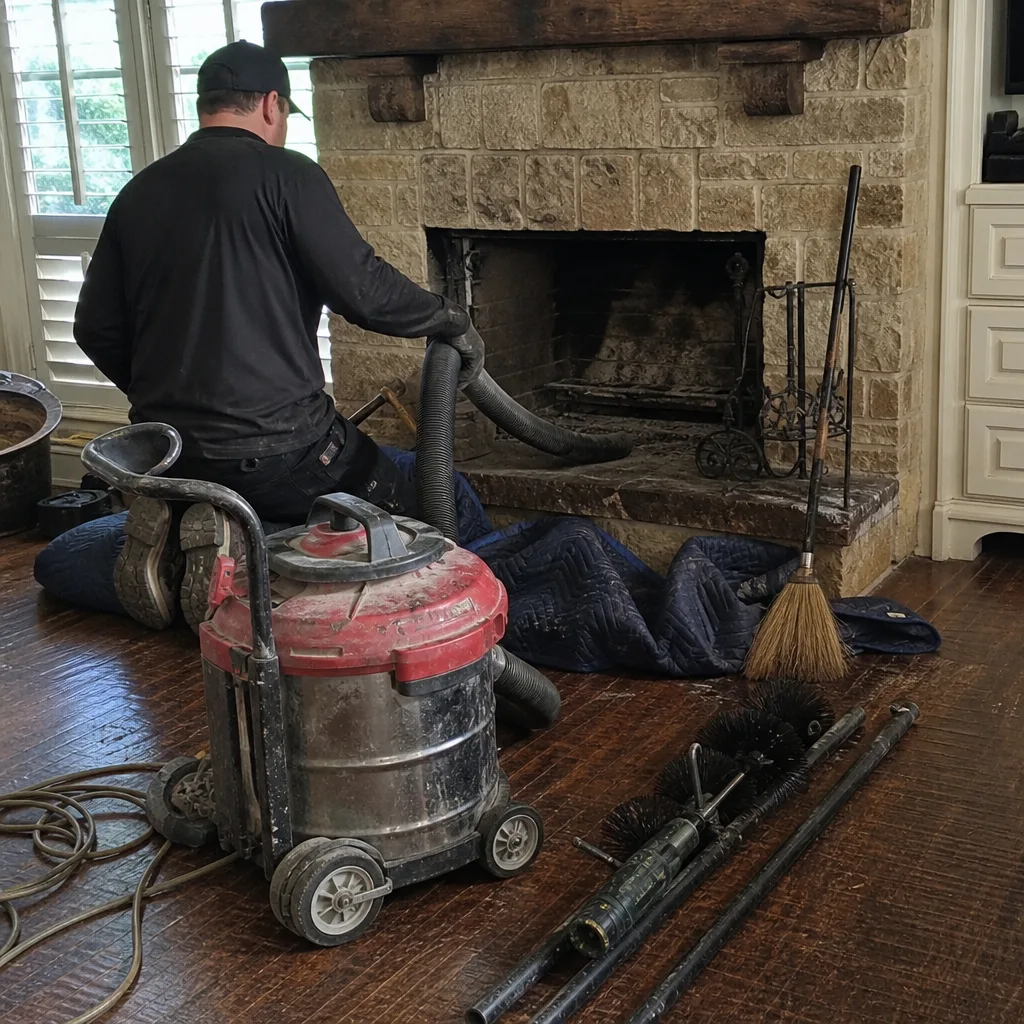 Before
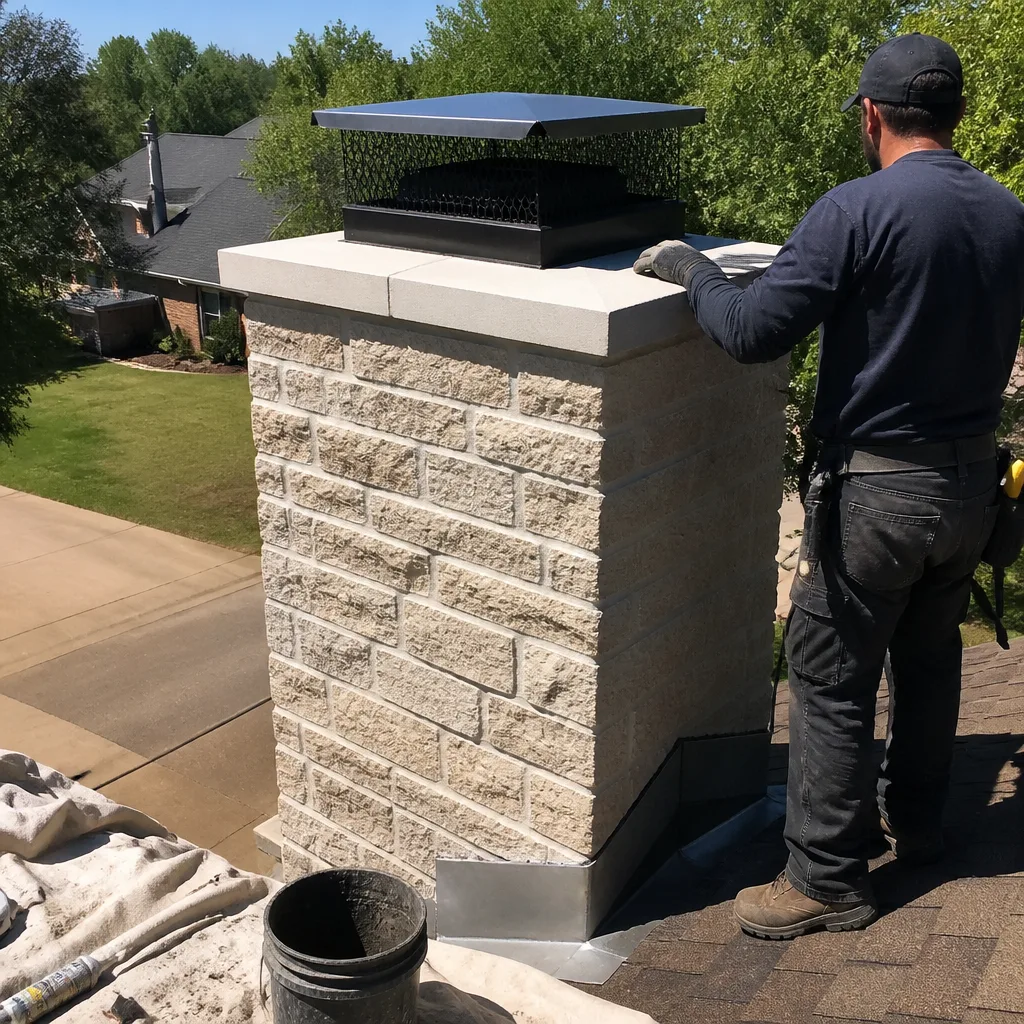 After
After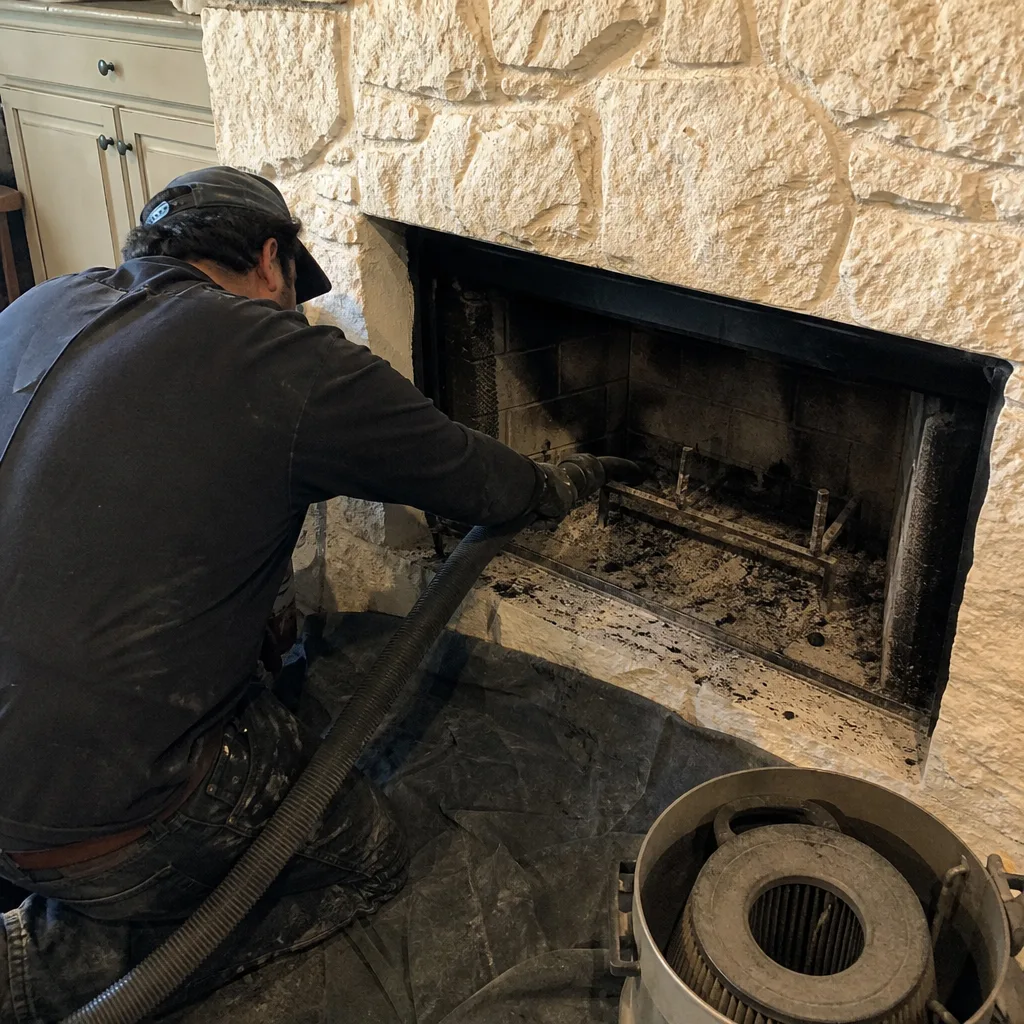 Before
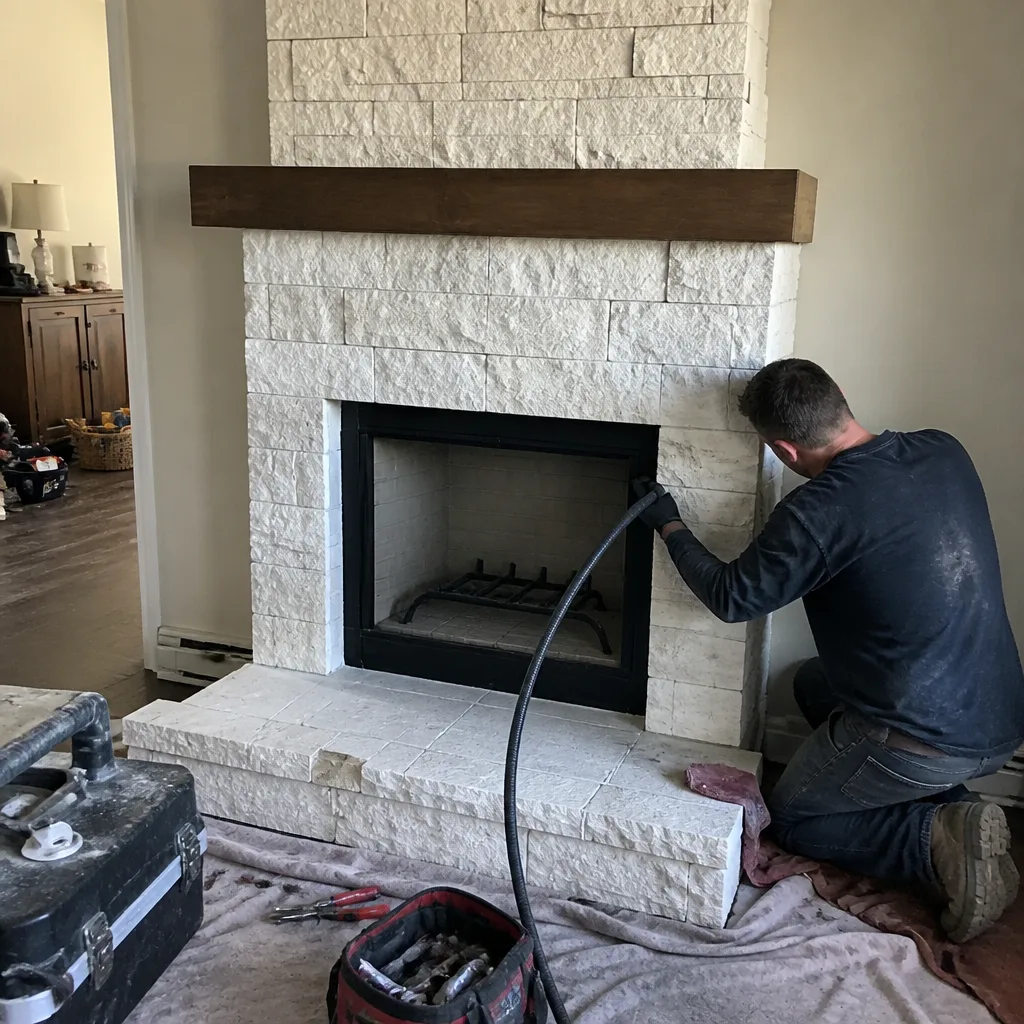 After
After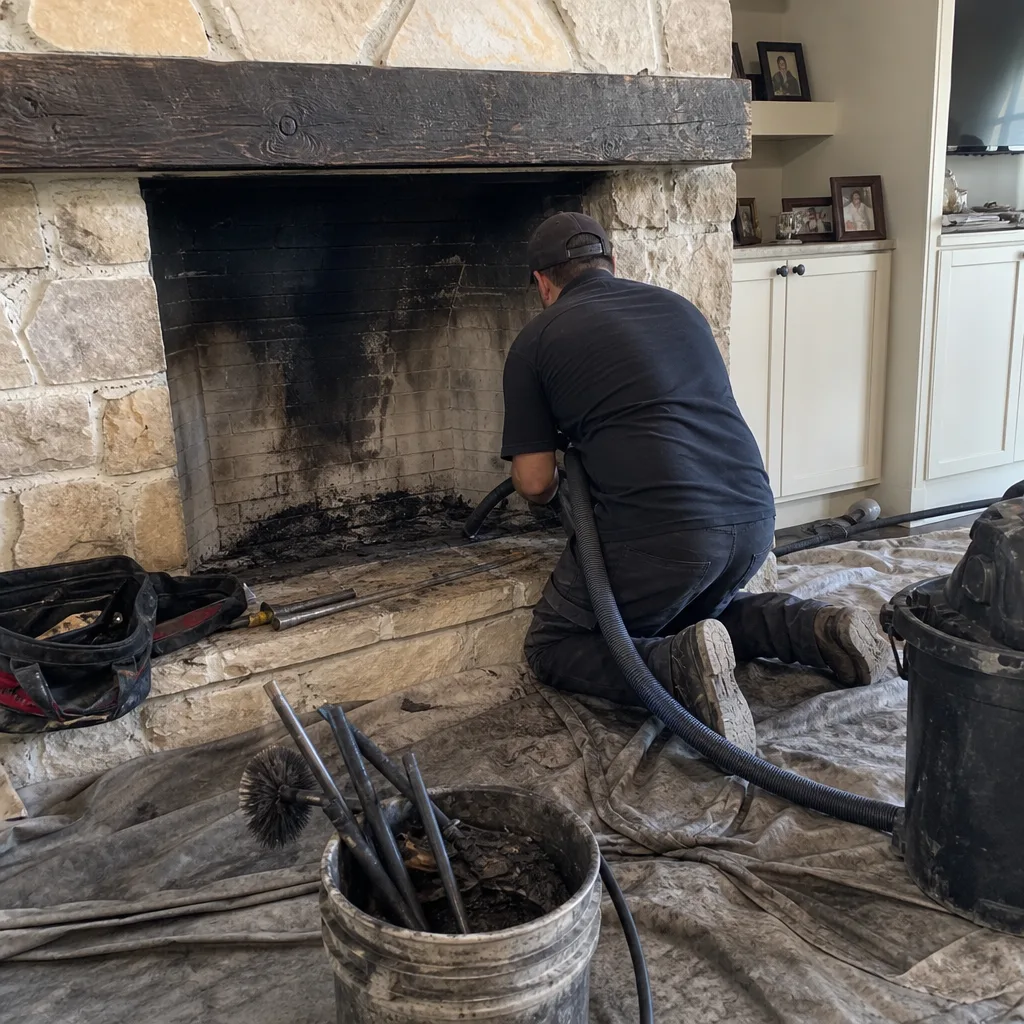 Before
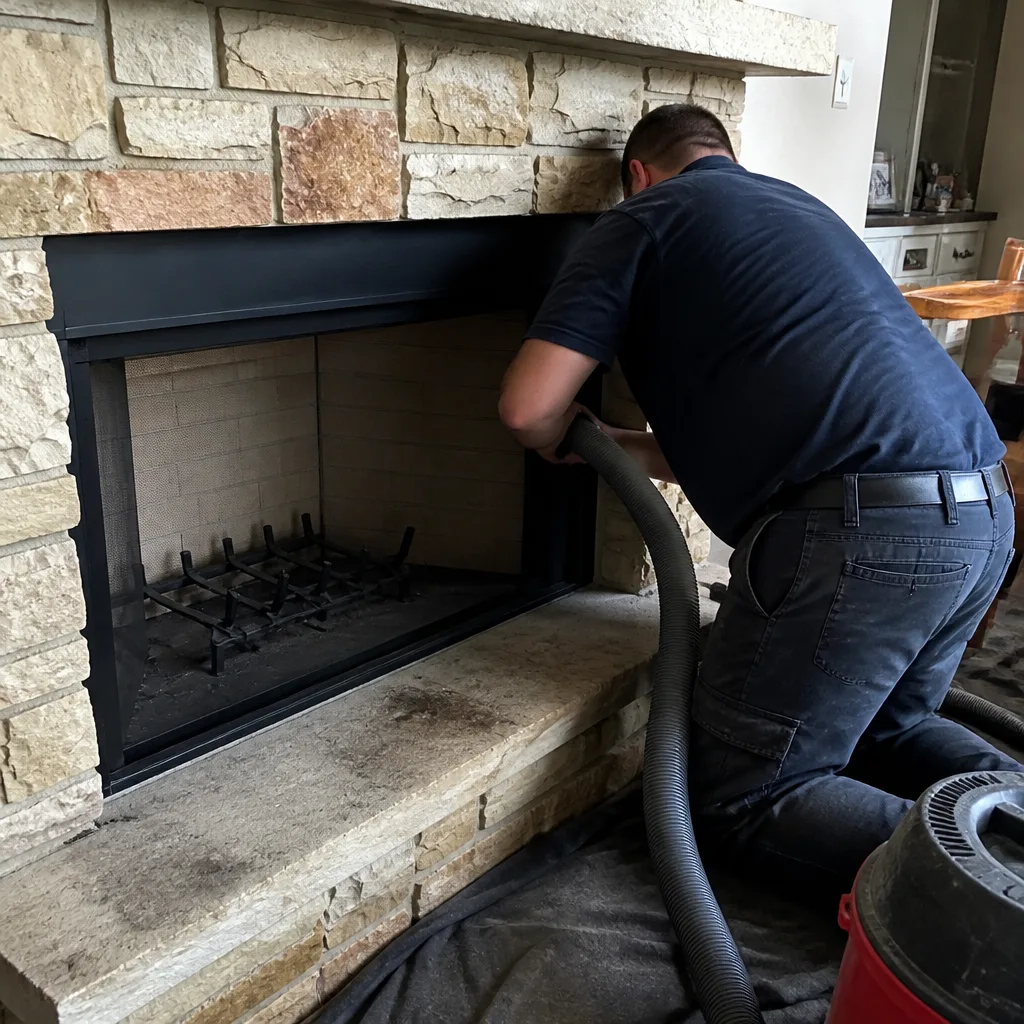 After
After