
Last updated October 15, 2026
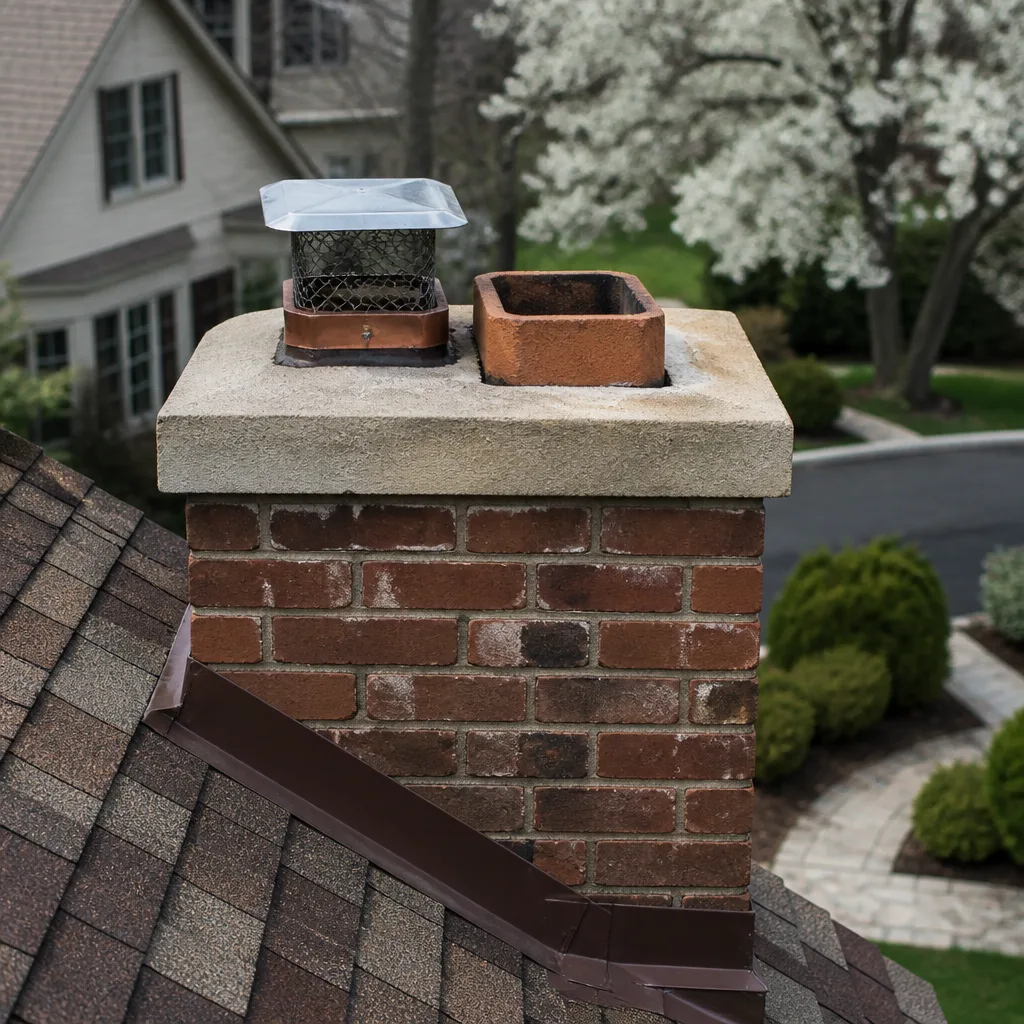 Sweep & inspection
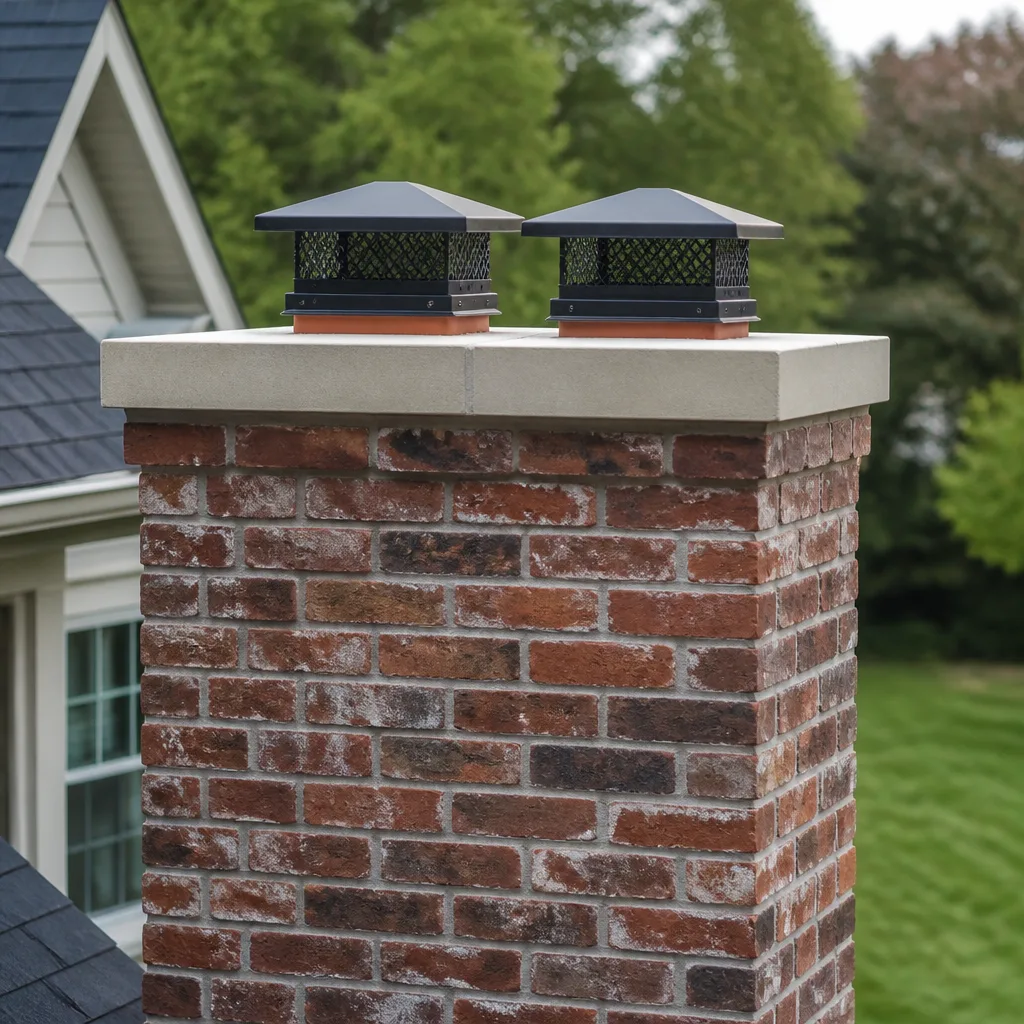 Caps & crowns
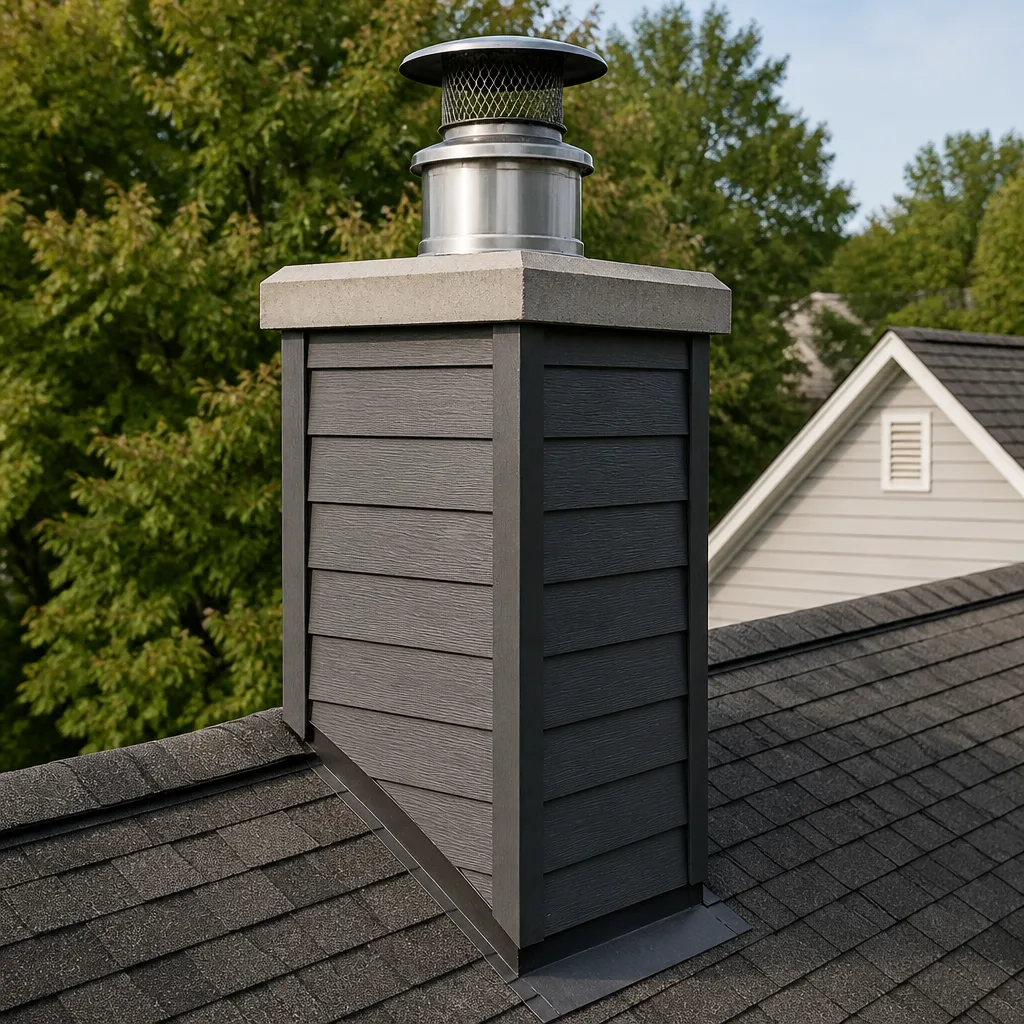 Flue relining
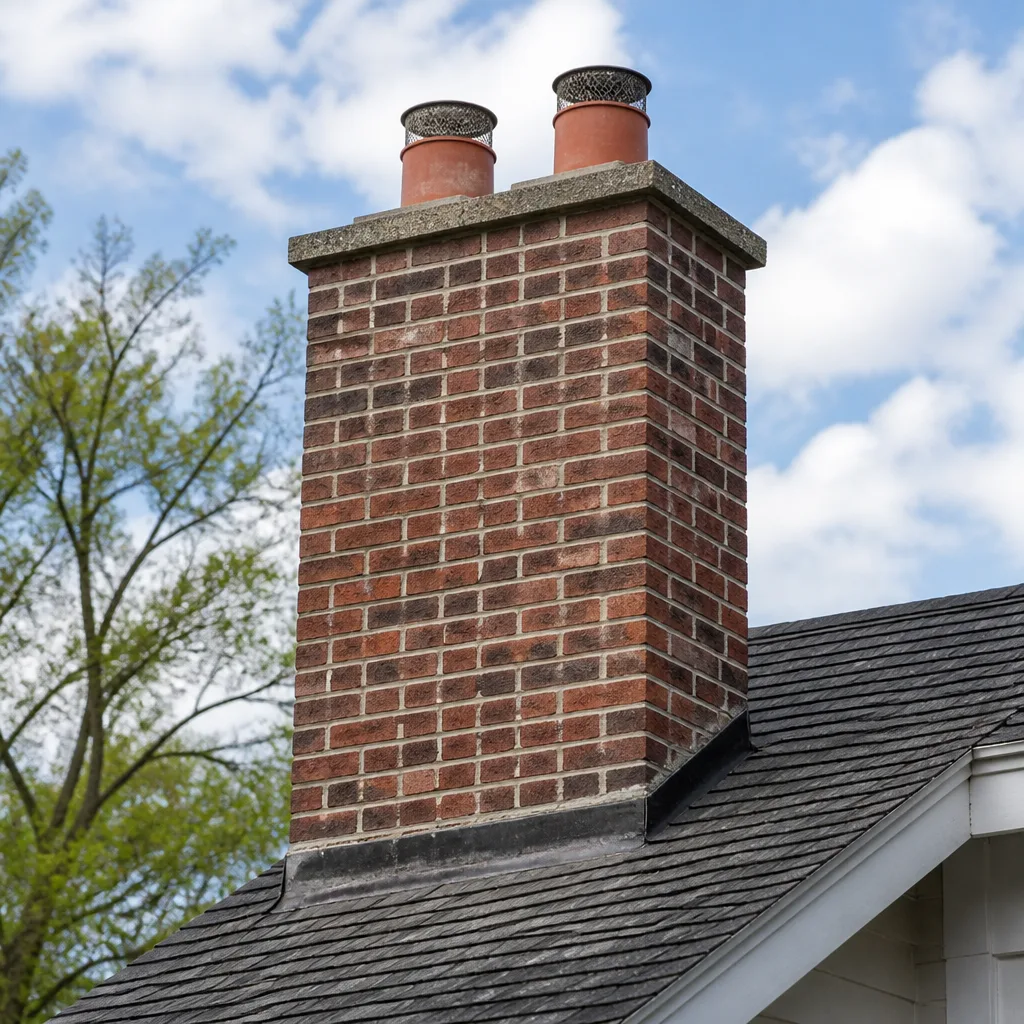 Masonry repair
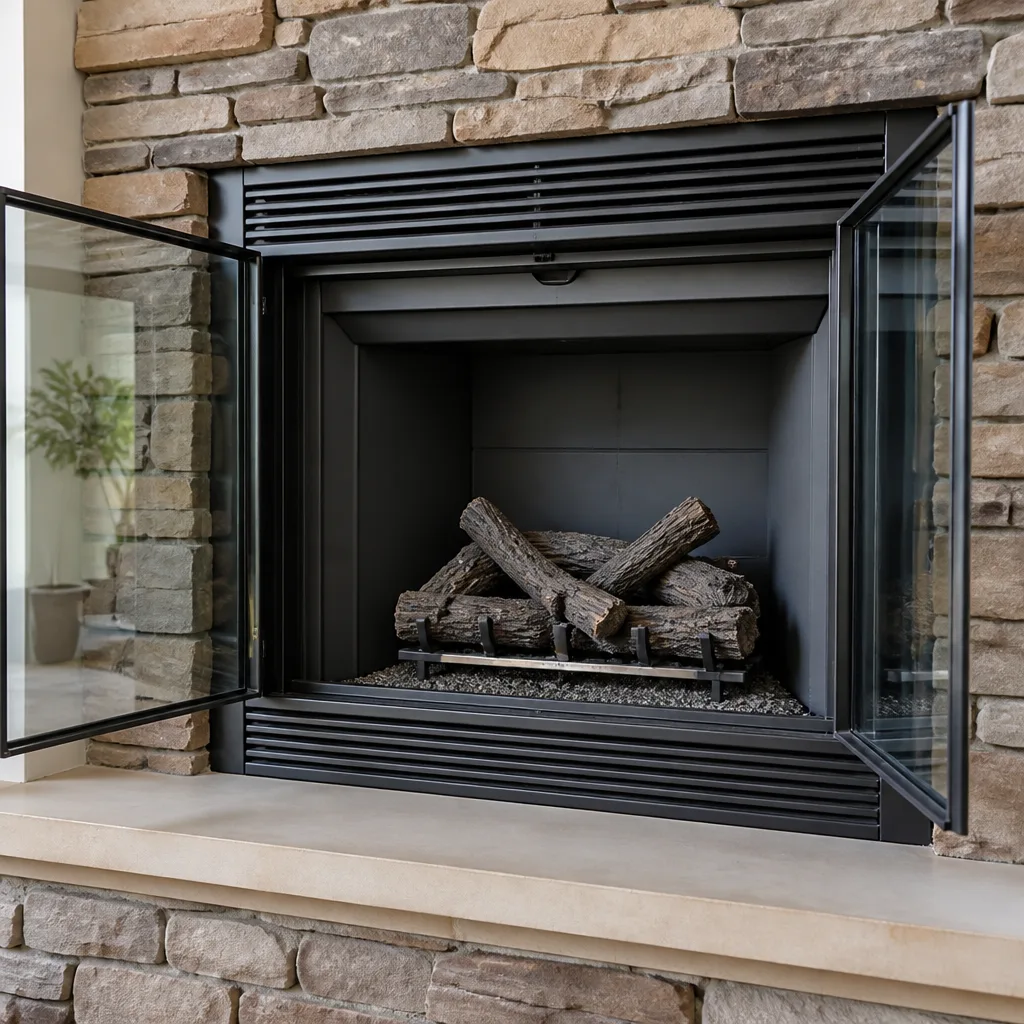 Gas fireplace service
Level 1 sweep and inspection to the NFPA 211 annual standard - flue, crown, cap, and flashing checked and photographed
Chimney sweep logs do not sweep chimneys. They loosen some creosote - which then falls where a brush and vacuum still have to collect it.
Chimney Sweep Maintenance Checklist for Fort Worth Homeowners
Most chimney problems in Fort Worth don’t start with a dramatic event. They start with small, observable changes a homeowner notices and files away: the damper that feels stiffer than it did last winter, the faint smoke smell after a windy March afternoon, the rust flakes on the hearth that appeared sometime around the spring storms. None of these feel urgent on their own, so they go unmentioned when the sweep arrives. Then the visit turns up findings that are no longer small, and the estimate reflects work that could have been caught earlier and cheaper. This guide is built around a simple idea: a maintenance checklist only helps if it tells you what to look for before the Chimney Sweep services technician arrives. By the end, you’ll know exactly what to check in your own home, what to photograph, what to log, and which items belong on your list versus ours.
Quick Answer
A chimney maintenance checklist for Fort Worth homeowners has three parts: a pre-visit walkthrough of the damper, firebox, and exterior crown; a photo log of anything unusual; and a seasonal rhythm tied to Fort Worth weather, specifically post-hail-season cap checks in spring and pre-burn inspections before the first November cold snap. Most homeowners can complete the visible checklist in under 20 minutes, and documenting what you find protects you during any service discussion.
Styles & brands we work with
Table of Contents
- The Pre-Visit Walkthrough: What to Check Before the Sweep Arrives
- What to Photograph in Under Five Minutes (and Why It Matters)
- Fort Worth Seasonal Maintenance Tasks: Spring, Summer, Fall, Winter
- What You Can Do Yourself vs. What Needs a Trained Sweep
- How to Keep a Maintenance Log That Helps Resale and Insurance
- Warning Signs That Should Not Wait for the Next Sweep
- What Fort Worth Chimney Maintenance Actually Costs
- Common Mistakes to Avoid
- When to Call a Professional
- Frequently Asked Questions
The Pre-Visit Walkthrough: What to Check Before the Sweep Arrives
Before any chimney professional walks through your door, you can gather information that changes the entire visit. The single most common reason a chimney sweep in Fort Worth appointment runs over budget is information the homeowner already had but didn’t think to mention. A damper that hasn’t moved in three years tells us something about moisture exposure and rust. A smoke smell you noticed last March tells us something about drafting or a partial blockage. Neither requires expertise to observe. Both should be written down and shared.
Here’s the walkthrough, room by room, in the order we recommend:
- Stand in the living room and look at the firebox. Is there rust staining on the metal? Are there cracks in the firebrick wider than a dime? Is there a pile of flaky material at the base? Write down what you see.
- Reach for the damper handle (without forcing anything). Does it move smoothly? Is it stuck in one position? If it won’t budge, don’t force it. Note it and move on.
- Look up into the flue with a flashlight (chimney cold, fireplace clean). Can you see daylight at the top? Is there a thick, textured buildup on the walls? Glazed, shiny black deposits are creosote and they matter. A thin powdery layer is normal. A thick, tar-like layer is not.
- Walk outside and stand 20 feet back from the chimney. Is it plumb, or does it lean? Are there visible cracks in the brick or stone? Is the metal cap still on top, and is it rusted or intact?
- If you can safely see the crown (the concrete slab at the top of the chimney), check it. Cracks in the crown let water into the structure. In Fort Worth, where freeze-thaw cycles come every winter, a small crack becomes a big one in one season.
This walkthrough takes about 15 minutes. It costs nothing except your attention. And it changes the conversation when the technician arrives, because instead of starting from zero, you’re starting from observations. We’ve had Fort Worth homeowners point out things we would have found anyway, and the difference is that they understood the estimate instead of being surprised by it.
What to Photograph in Under Five Minutes (and Why It Matters)
Your phone camera is the cheapest diagnostic tool you own. Before any service call, spend five minutes taking photos. This isn’t about being suspicious of contractors. It’s about building a record that makes every conversation clearer, faster, and more accountable on both sides. The pre-service photos establish a baseline. The post-service photos document what changed. When everyone has the same visual reference, billing disputes essentially disappear.
Here’s exactly what to photograph, in order:
- The firebox, straight on, showing the condition of the firebrick and floor.
- The damper, open and closed if possible, or a clear shot of its stuck position.
- A close-up of any staining, cracking, or flaking you noticed during the walkthrough.
- The hearth and surrounding floor, showing existing scratches or marks before any equipment is set up.
- The exterior chimney from the ground, including the cap if visible.
- Any water stains on interior walls or ceilings near the chimney chase or flue path.
Five minutes of photos does three things. It protects you if there’s ever a disagreement about what the area looked like before the visit. It gives the technician a head start on the diagnosis, because they can review photos quickly instead of spending extra time in the home discovering what you already saw. And it builds a maintenance record that carries forward year after year. When you sell your home, a folder of dated chimney photos is a quiet signal to buyers that this house was cared for methodically, not reactively.
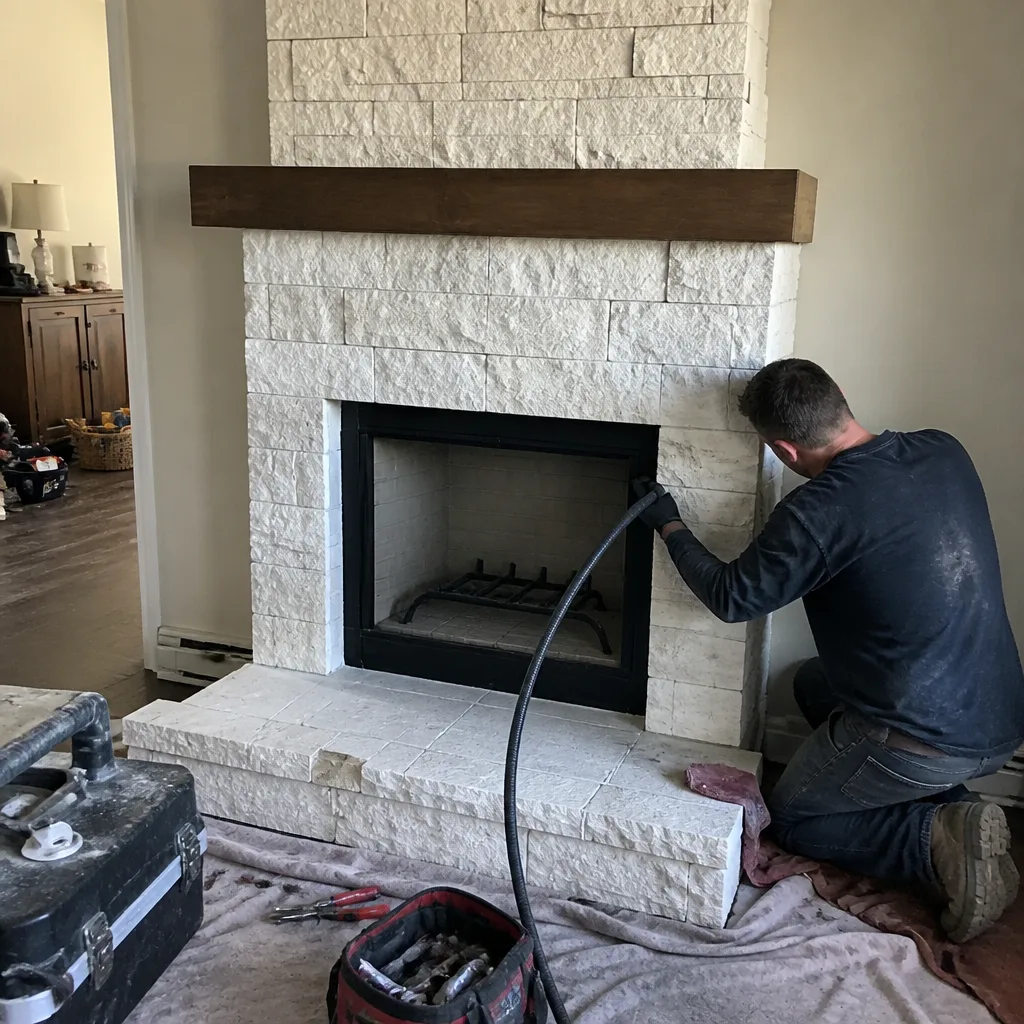
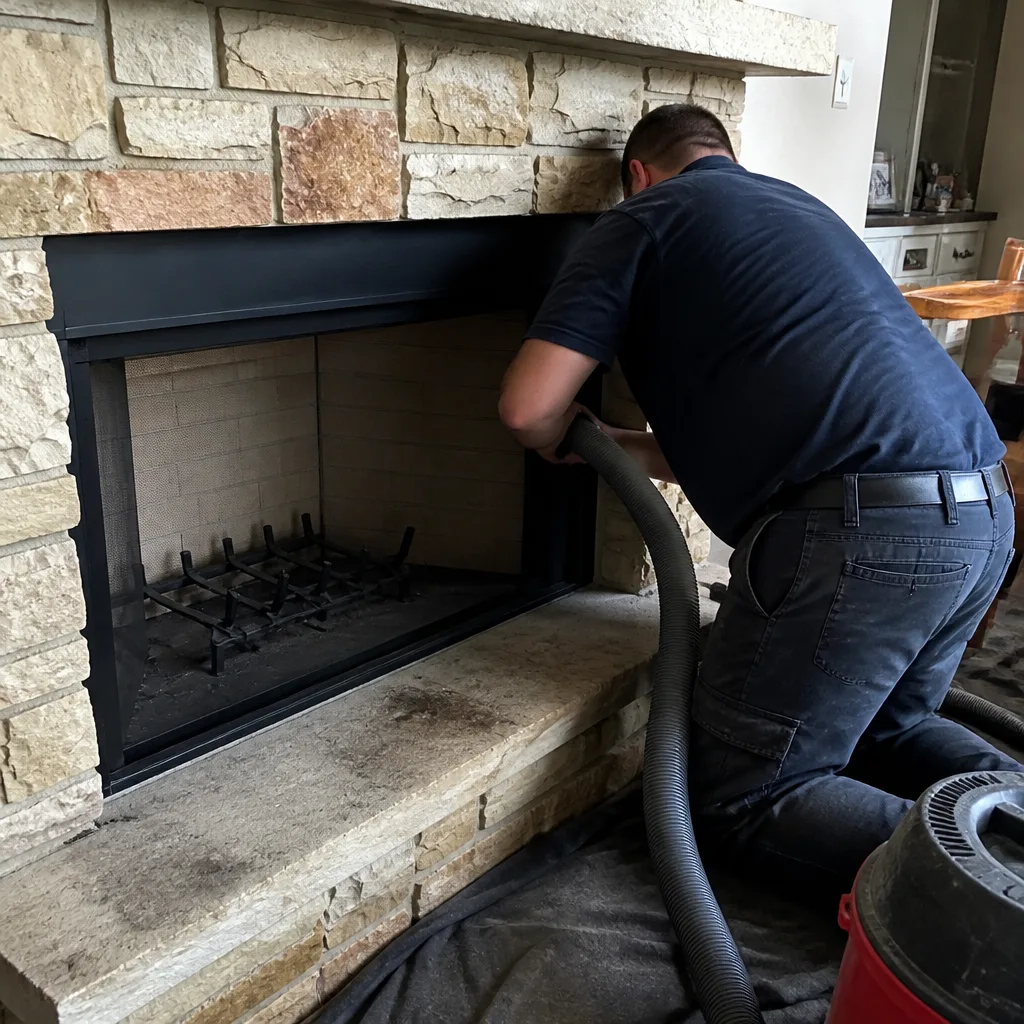
One note specific to how we work: every Kindling Chimney Fort Worth visit includes a photo of the clean-up before the crew leaves, as part of the Cedarwell Care Promise. Your pre-visit photos and our post-visit photos together create a complete record of exactly what changed. That’s how a service call should end: both sides looking at the same evidence.
Fort Worth Seasonal Maintenance Tasks: Spring, Summer, Fall, Winter
Fort Worth has a chimney maintenance calendar that doesn’t look like the rest of the country. We don’t have salt-heavy coastal air. We don’t have months of sub-freezing temperatures. What we do have is spring hail, summer heat that bakes mortar, and a distinctive burn season that starts when the first real cold snap hits, usually in November. Your maintenance rhythm should follow the weather, not a generic fall-and-winter template.
Spring: After Hail Season Ends
North Texas hail season runs roughly March through May, and Fort Worth regularly sees storms with hail large enough to dent shingles and crack chimney caps. After the last significant storm of the season, walk outside and inspect the chimney cap from the ground with binoculars or a phone camera zoom. Look for dents, shifted components, or missing pieces. A damaged cap doesn’t stop rain from getting in. It invites it. Also check the flashing where the chimney meets the roofline. Hail can lift or loosen flashing, and the leak starts small. Spring is the right time to address these items, before summer heat expands the metal and makes a secure repair harder.
Summer: Inspection and Planning
Summer in Fort Worth is the off-season for burning, but it’s the on-season for inspection. The chimney is completely cold, the air is dry, and any creosote residue from the last burn season is visible and stable. This is the ideal time for a chimney inspection in Fort Worth, because scheduling is flexible and any repair work can be completed well before the first fire. Summer is also when masonry repair is most practical. Mortar sets better in warm, dry conditions than in the damp cold of late fall.
Fall: Pre-Burn Inspection Before the First Fire
Fort Worth’s first true cold snap typically arrives in early to mid-November. The right time for a pre-burn inspection is two to three weeks earlier, in late October, when you’re not yet competing with everyone else who suddenly remembers their fireplace exists. A pre-burn inspection checks the flue for obstructions, evaluates creosote buildup from the prior season, confirms the damper operates correctly, and verifies that the cap is still intact. If a sweep is needed, this is when it should happen. Contact us in October and you’ll likely get a spot the same week. Call us on the first 40-degree day and we’ll still answer, but the calendar fills quickly.
Winter: Burn Smart, Observe Often
During burn season, the maintenance checklist shifts to observation. Watch how the fire behaves. Does smoke ever drift into the room when the fire is first lit? Does the fire seem sluggish even with dry wood? Do you hear unusual popping or see sparks exit the chimney top? Any of these observations belongs on your maintenance log. None of them requires you to stop using the fireplace immediately, but all of them are worth mentioning at the next service visit, and some of them warrant a call if they recur.
What You Can Do Yourself vs. What Needs a Trained Sweep
One of the most useful things a maintenance checklist can do is draw a clear line between DIY territory and professional territory. There are things a Fort Worth homeowner can safely do the same day with basic tools. There are things that absolutely require a trained chimney sweep, and attempting them without the right equipment and experience is genuinely dangerous. Here’s the honest division.
You Can Do These Yourself
- Visual inspection from the ground or a safe ladder position. You never need to get on the roof to perform a meaningful check. Binoculars and a phone camera zoom work fine from the ground.
- Cleaning the hearth, firebox floor, and surrounding area. Cold ash removal with a proper ash vacuum or a damp cloth is safe and straightforward. Wait until the fire has been completely out for at least 24 hours.
- Checking the damper operation. Open and close it gently. If it moves smoothly, you’ve confirmed a basic function. If it resists, note it and call a professional rather than forcing it.
- Inspecting the chimney cap from the ground. You can see dents, missing panels, or significant rust without leaving the ground.
- Keeping a maintenance log. This costs nothing and takes minutes. We’ll cover the format below.
Leave These to a Trained Sweep
- Anything that requires getting on the roof. Fort Worth roofs are steep and the consequence of a fall is serious. No maintenance check is worth that risk.
- Removing glazed or third-stage creosote. This tar-like residue is highly concentrated fuel and requires chemical treatment and professional tools. Scraping it yourself with household tools is both ineffective and unsafe.
- Damper repair or replacement. Dampers are connected to the firebox and flue in ways that aren’t always visible. A misaligned or broken damper affects drafting and can send combustion gases into the living space.
- Flue liner inspection and repair. Cracked or deteriorating flue liners create fire and carbon monoxide risk. This is diagnostic work requiring specialized cameras and professional assessment.
- Crown repair or rebuild. The crown is the concrete slab sealing the top of the chimney. Repairing it properly requires removing old material, addressing the underlying issue, and applying a compatible sealant or rebuilding the crown entirely. Done wrong, it fails again within a year or two.
If you’ve noticed a cracked firebrick, a rusted damper, or a chimney cap that’s seen better days, the safest move is to call and describe what you see. A good chimney professional will tell you honestly whether the item can wait, what it will cost to address, and whether you can safely burn in the meantime. That conversation costs nothing at Kindling Chimney Fort Worth home.
How to Keep a Maintenance Log That Helps Resale and Insurance
A chimney maintenance log is one of the least expensive home documentation habits you can build, and one of the most useful. It serves three purposes. First, it gives any future technician a complete history, which shortens diagnosis and reduces the chance of repeating work. Second, it provides documentation for insurance claims involving chimney-related water intrusion or fire damage, where proof of regular maintenance matters. Third, it’s an asset at resale, because a prospective buyer who sees a dated, consistent maintenance record for a major home system is less likely to negotiate down over inspection findings.
Your log doesn’t need to be elaborate. A simple spiral notebook, a notes app, or a Google Doc works perfectly. Here’s the format we recommend:
- Date of every service visit, inspection, or sweep. Even a visit where nothing was done beyond inspection should be logged.
- Who performed the work and what they did. Include the company name, the technician’s name, and a one-sentence summary of the service.
- Any findings or recommendations from the technician. Write down exactly what was observed and what was recommended, including any dollar figures quoted.
- Any repairs completed, with date and materials used. If a new cap was installed, a liner repair was done with HeatShield, or a crown was sealed, log it.
- Your own seasonal observations. Note the smoke smell in March, the damper stiffness in October, the post-hail photo taken in May.
Within a few years, you’ll have a document that reads like a complete medical history for your chimney. When the next technician asks, “Has this damper always been like this?” you’ll have an answer that’s grounded in written record, not memory. And when your insurance provider asks for proof of chimney maintenance after a storm-related claim, you’ll have exactly what they need.
Warning Signs That Should Not Wait for the Next Sweep
Most chimney issues develop slowly and can safely wait for a scheduled visit. A few warning signs should trigger a call sooner rather than later, because they indicate either a safety concern or a problem that gets dramatically more expensive the longer it sits. Here’s what to watch for in a Fort Worth home:
- Smoke entering the living space during normal operation. This indicates a drafting problem, which can mean anything from a cold flue to a partial blockage to a damper malfunction. It should be evaluated before the next fire.
- A strong, persistent odor coming from the fireplace, especially in humid weather. This usually signals creosote buildup absorbing moisture, and it’s a sign that a sweep is overdue.
- Visible water stains on the ceiling or walls adjacent to the chimney. Water is already inside the structure. The longer it travels, the more extensive the remediation.
- Flaking or spalling brick on the exterior chimney. This is freeze-thaw damage. In Fort Worth, winter temperatures regularly dip below freezing at night and rise into the 50s by afternoon. That cycle forces water deeper into masonry. Once spalling starts, it accelerates.
- A chimney cap that’s visibly loose, tilted, or missing. This is an open invitation for rain, birds, squirrels, and debris. It’s also typically a quick, affordable fix if caught early.
None of these signs means you should panic or stop using your fireplace immediately. They mean you should call and describe what you’re seeing. A professional conversation will tell you whether the item is urgent or can be scheduled in the normal flow. If it’s urgent, you’ll know. If it can wait, you’ll know that too.
What Fort Worth Chimney Maintenance Actually Costs
Cost transparency should be the norm in this trade, and the best way to give you a useful range is to be specific about the Fort Worth market. We’ve seen sweeping and inspection pricing in this region run anywhere from $150 to $400 depending on the company, the condition of the chimney, and whether it’s a standard open fireplace or a factory-built unit. At Kindling Chimney Fort Worth, we deliver a written price before any work begins, every time, with no on-the-spot pressure. That number doesn’t change unless the work scope changes with your explicit approval.
Here’s a practical breakdown of what different chimney services typically cost in the Fort Worth area, based on what we see in the field:
| Service | Typical Fort Worth Range | What Affects the Price |
|---|---|---|
| Standard chimney sweep (open fireplace) | $189 – $289 | Creosote level, flue height, accessibility |
| Chimney sweep with Level 2 inspection | $349 – $549 | Camera equipment, time on roof, panel removal if needed |
| Chimney cap replacement | $225 – $450 | Cap size, material, custom fabrication if needed |
| Damper repair or replacement | $175 – $500 | Type of damper, access difficulty, parts |
| Crown repair (sealant or resurfacing) | $400 – $950 | Crown condition, linear feet, scaffolding needs |
| Flue liner repair (HeatShield or similar) | $1,200 – $3,500 | Liner length, damage extent, access |
These are honest ranges, not quotes. A standard sweep on a well-maintained fireplace with low creosote will land at the lower end. A 20-year-old chimney with glazed creosote and a cracked crown is a different job entirely. What matters is that you know the number before we start, and that nothing gets added because a technician decided mid-job that more work was needed. If we find something, we show you with a camera, explain what it means, and give you a written price for the additional work. You decide. We never do work you haven’t approved.
Common Mistakes to Avoid
- Waiting until the first cold snap to schedule a sweep. In Fort Worth, everyone calls on the same three days in November. Schedule in October and you’ll have your choice of times and a calmer experience.
- Forcing a stuck damper open or closed. The damper is connected to a mechanical system that can be damaged by force. If it resists, note it and let a professional assess it. A forced damper often becomes an expensive damper repair.
- Burning soft woods like pine or cedar as primary fuel. Soft woods create creosote faster than hardwoods like oak and hickory. In Fort Worth, where access to post oak and mesquite is easy, use them.
- Ignoring the chimney cap after hail season. North Texas hail is brutal on chimney caps, and a dented cap is a damaged cap. Check it every spring.
- Skipping the pre-visit walkthrough because “the technician will find everything anyway.” They probably will, but they’ll spend more time doing it, and your observations add context that speeds up the diagnosis. The walkthrough is free. The extra diagnostic time is not.
- Assuming a visual inspection from inside is enough. The exterior, the crown, and the cap are where Fort Worth weather does most of its damage. A complete maintenance check includes the outside of the chimney, not just the firebox.
- Not documenting maintenance and then losing leverage in an insurance claim. Insurance adjusters respond to documentation, not assertions. A maintenance log is your evidence of diligence.
When to Call a Professional
Call a professional when you’ve completed your walkthrough and found something you don’t understand, when you’ve seen a warning sign that recurs, or when a full year has passed since the last inspection. A chimney that’s used regularly should be inspected annually and swept when creosote accumulation reaches about 1/8 inch or when the flue shows signs of glazing. If you’re unsure where you stand, that uncertainty itself is a good enough reason to call. Fireplace repair in Fort Worth done early is almost always a smaller job than the same repair done after a season of use. Kindling Chimney Fort Worth offers free estimates in Fort Worth, and our pricing is delivered in writing before any work starts. Call (682) 382-9934.
Frequently Asked Questions
A chimney that’s used regularly during burn season should be swept at least once a year, and more often if you burn softwoods or unseasoned wood. The National Fire Protection Association standard is to sweep when creosote accumulation reaches 1/8 inch, but for most Fort Worth homeowners, an annual sweep timed before the November burn season is the right rhythm. Call (682) 382-9934 and we’ll help you determine whether your current buildup warrants a sweep.
A standard chimney sweep in Fort Worth typically runs between $189 and $289 for an open fireplace, depending on creosote level and accessibility. Sweeps paired with a Level 2 inspection run higher, in the $349 to $549 range. We provide a written price before any work begins, so you’ll never be surprised at the door. Call (682) 382-9934 for a free estimate.
Not necessarily, and this is exactly where honest camera evidence matters. A cracked flue liner is a genuine safety concern, because gaps in the liner expose the surrounding chimney structure to heat and combustion gases. But some liner damage can be addressed with resurfacing products like HeatShield rather than a full liner replacement, which costs significantly less. We never recommend liner work without showing you the camera footage so you can see the issue yourself. Call (682) 382-9934 to discuss a chimney inspection in Fort Worth if you’re unsure what your liner condition actually is.
Creosote accumulates, the cap and crown deteriorate from Fort Worth weather, and small issues compound. If the chimney is not used during those years, the risk is primarily structural: water intrusion, masonry damage, and crown deterioration. If the chimney is used, the risk includes creosote buildup that increases fire risk and reduces drafting efficiency. Skipping two years doesn’t guarantee failure, but it does mean the next inspection is more likely to find issues that are more expensive than they would have been. A maintenance log makes it easy to stay on schedule.
You can and should perform a visual inspection from the ground and from inside the home, checking the firebox, damper, and exterior condition. What you should not do is get on the roof or attempt to remove creosote yourself. The dangerous work, the diagnostic work, and the repair work belong to a trained professional. Your job is to observe, document, and call with good information.
Check the chimney cap for dents, cracks, or shifting, and check the flashing at the roofline for any visible gaps or lifting. Hail in North Texas can cause damage that isn’t obvious from ground level immediately, which is why a post-hail-season visual check from the ground with binoculars or a zoom lens is a valuable habit. If you see anything questionable, call us at (682) 382-9934 and describe it. We’ll tell you honestly whether it warrants a service visit.
The Bottom Line
A chimney maintenance checklist works best when it’s built around what you can observe, not what a technician will do once they arrive. The pre-visit walkthrough of the damper, firebox, and exterior costs nothing and changes the entire service conversation. Your phone camera creates a record that protects you and speeds up diagnosis. Fort Worth’s seasonal rhythm, hail in spring and burn season in November, dictates when each maintenance task belongs on the calendar. And the line between DIY and professional work is straightforward: observe and document on your own, but leave the roof, the creosote removal, and the repairs to people who do this work every day. If you’re in Fort Worth and want a written price before any work begins, with technicians who put shoe covers down and photograph the clean-up before leaving, call Kindling Chimney Fort Worth at (682) 382-9934 today. For more guides & resources, visit our blog.
Written by Danny Cortes, Owner at Kindling Chimney Fort Worth, serving Fort Worth since 2003.
See the difference
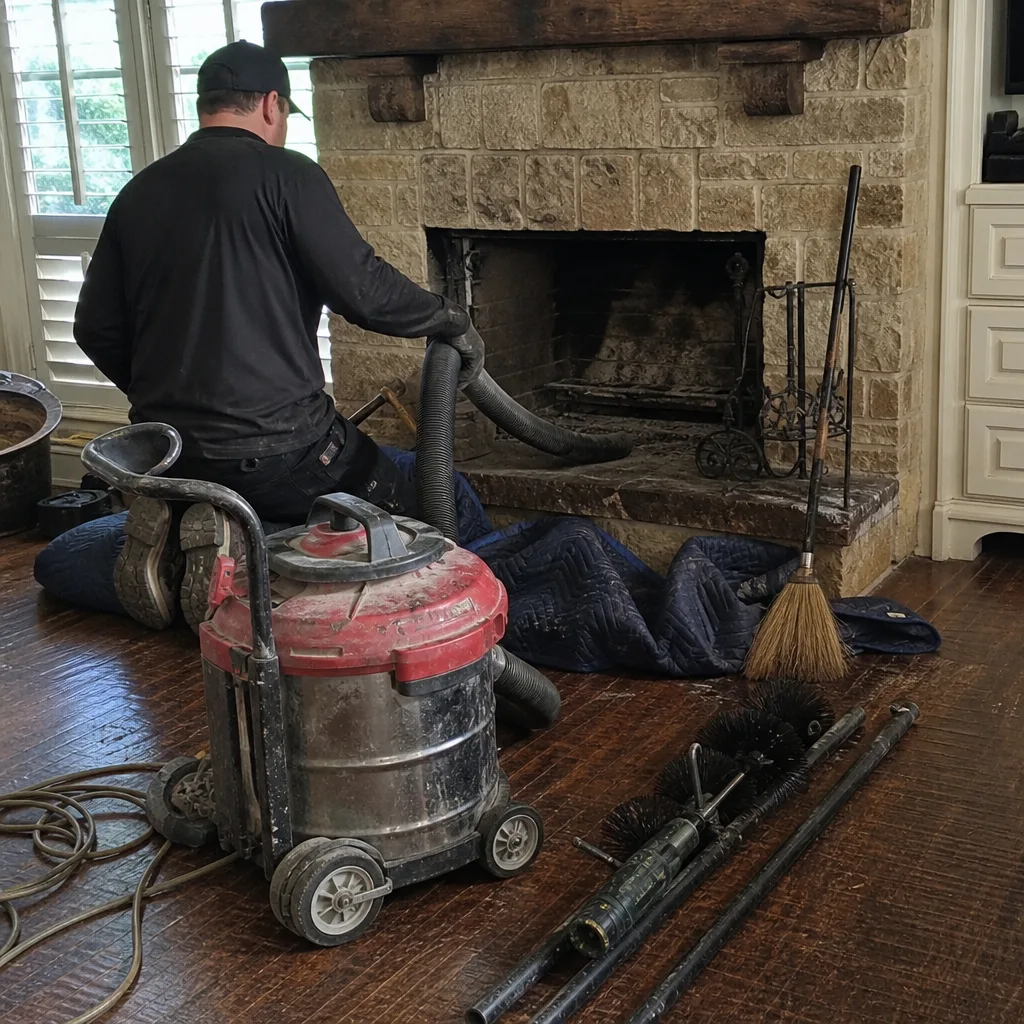 Before
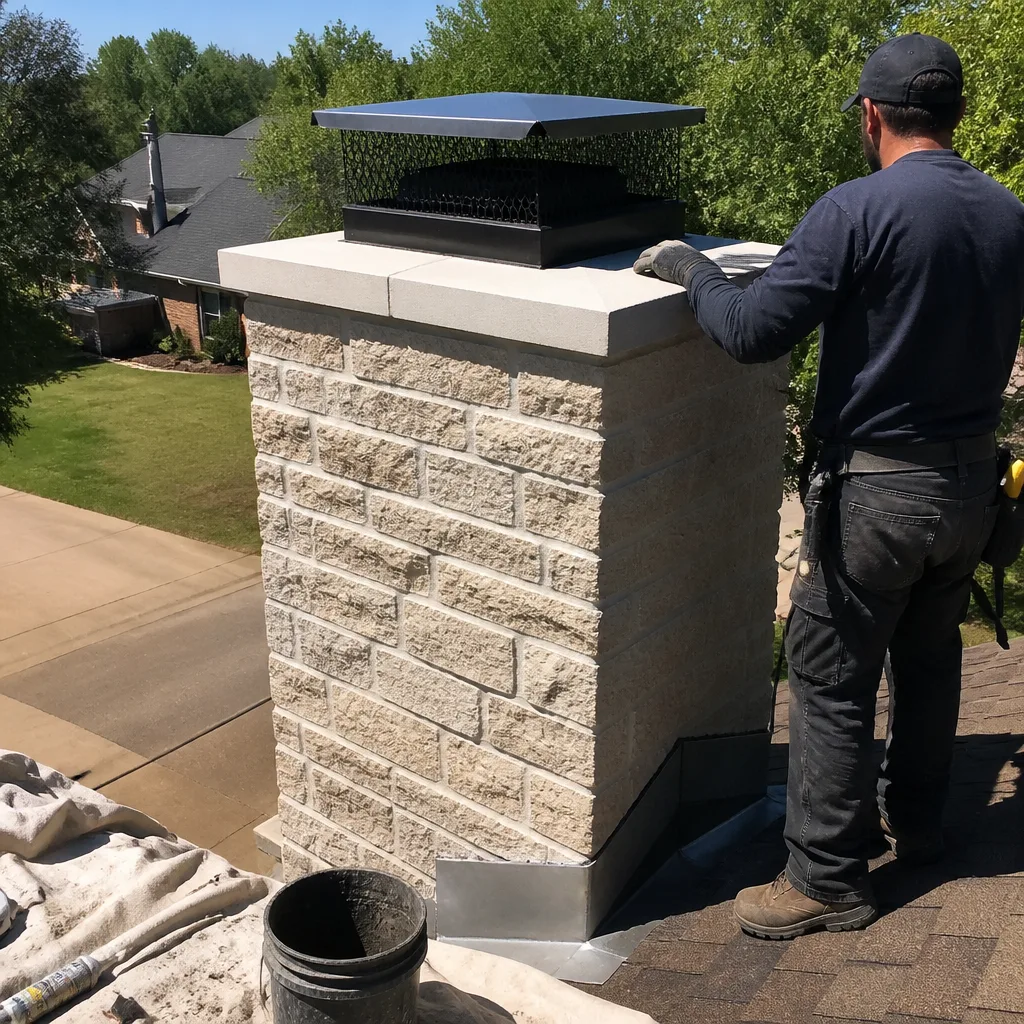 After
After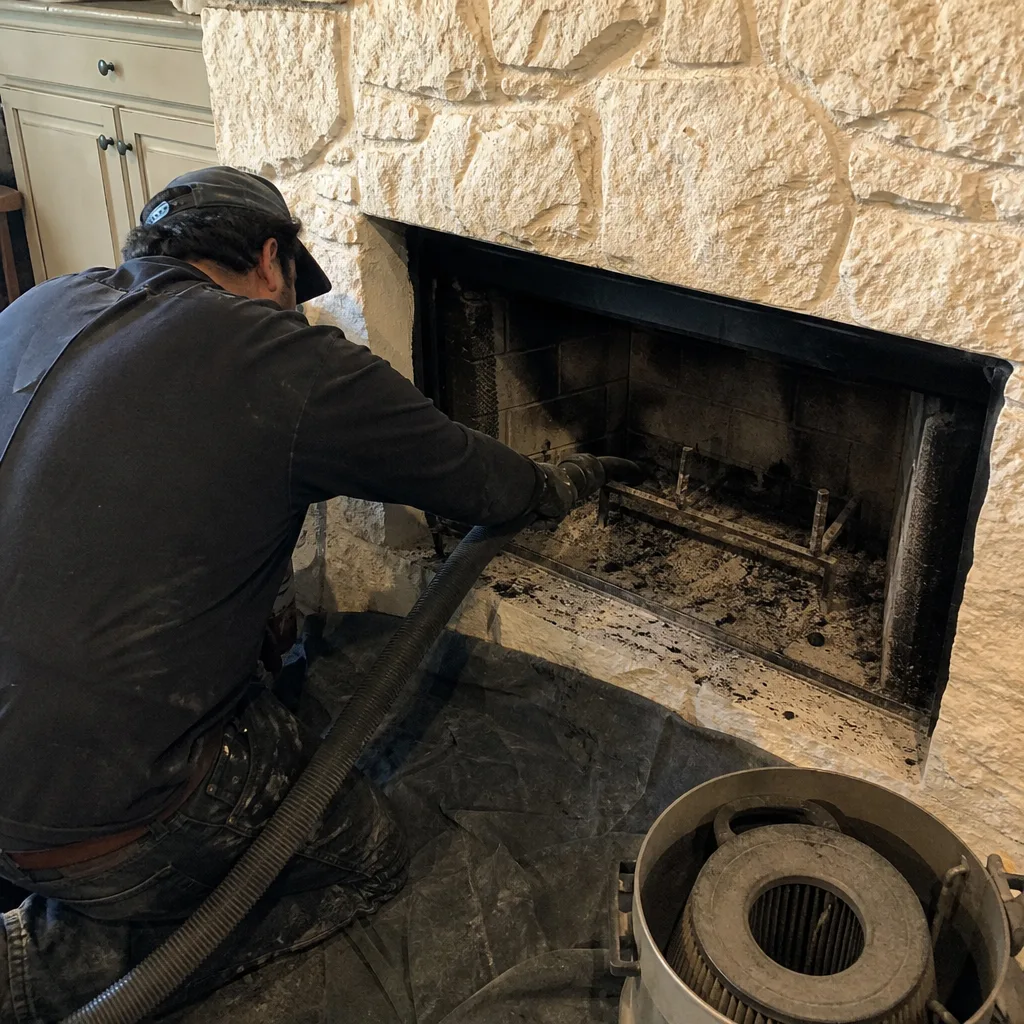 Before
 After
After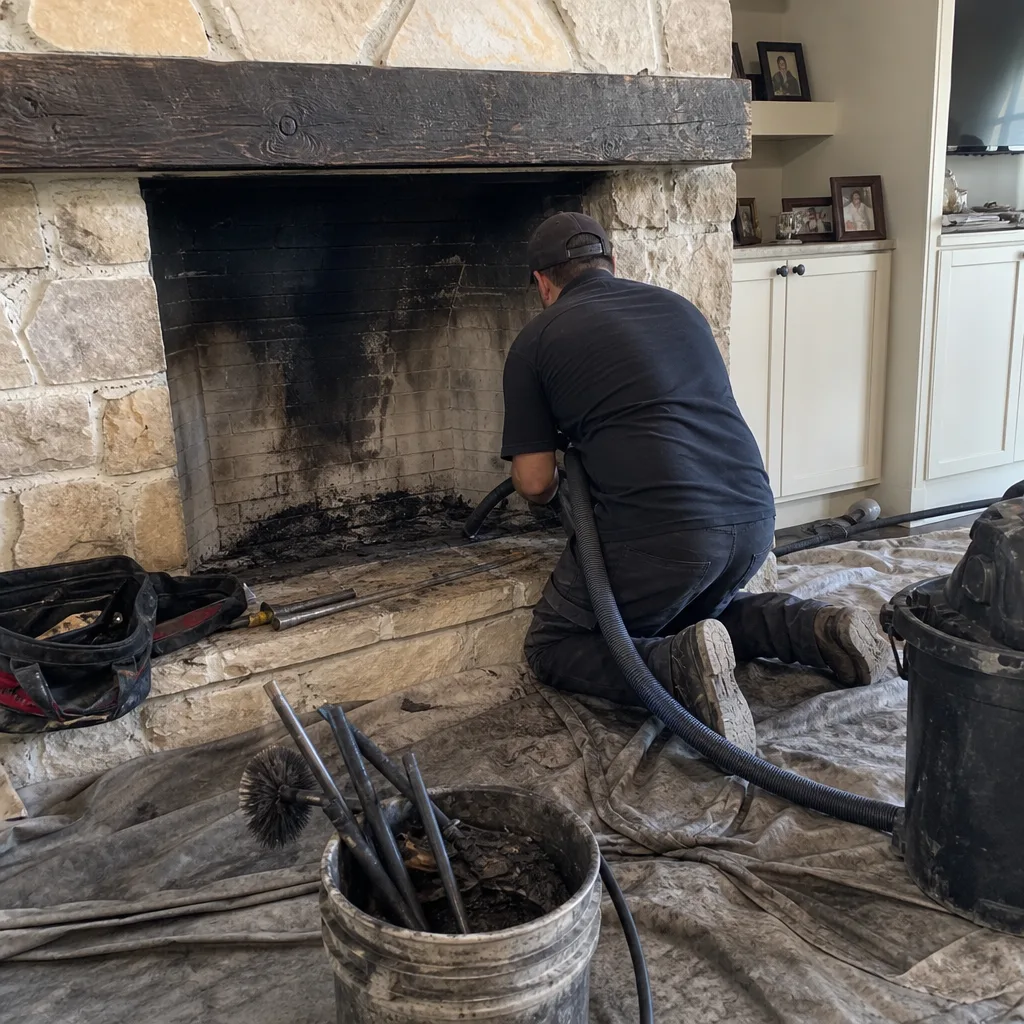 Before
 After
After