
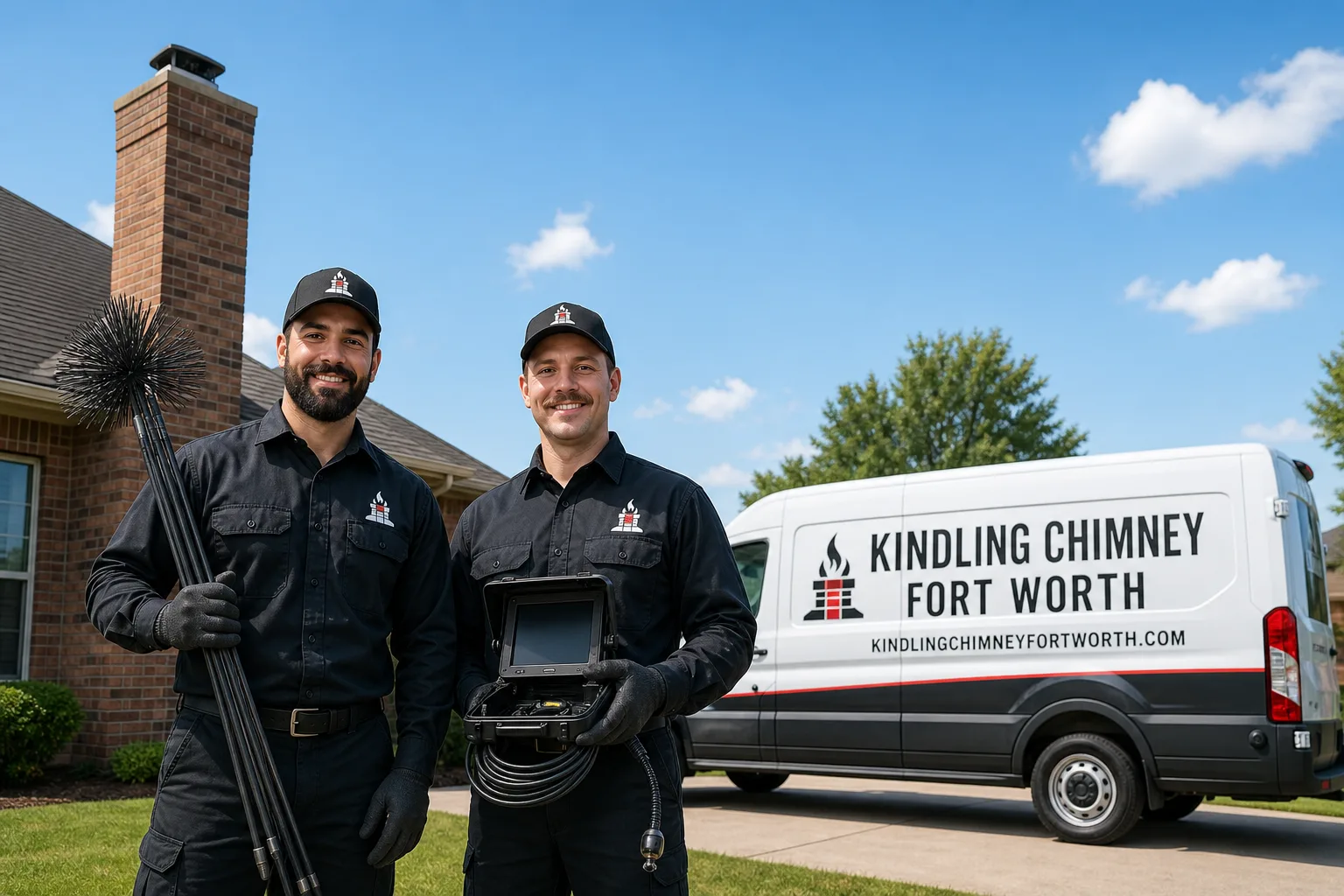

 Sweep & inspection
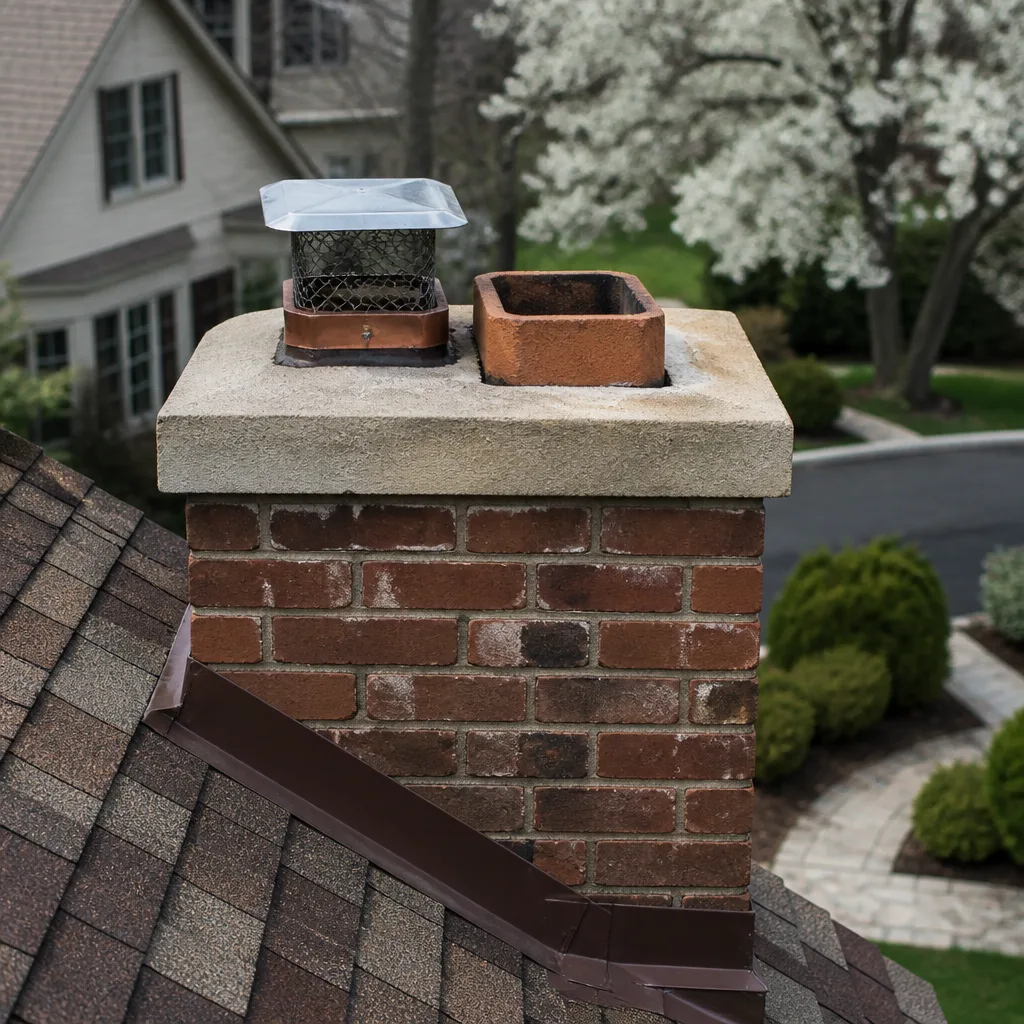
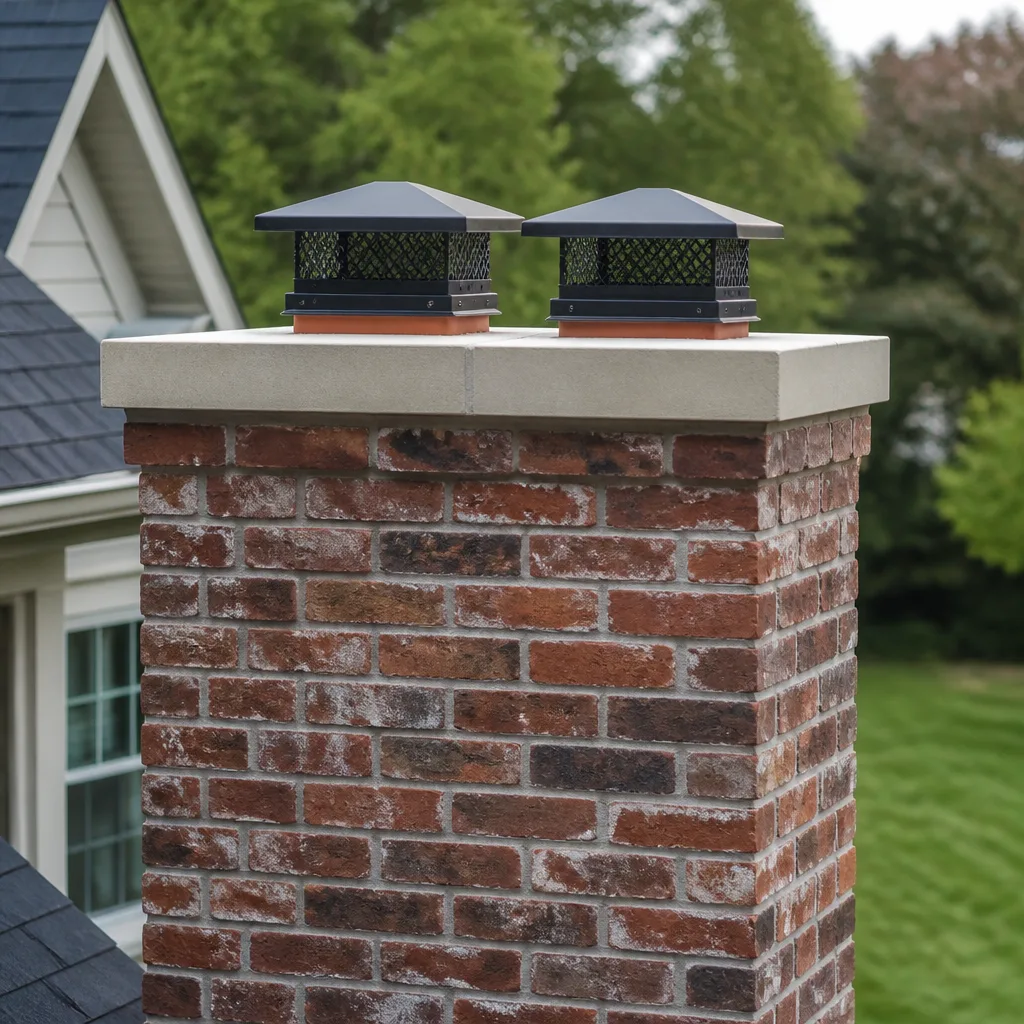 Caps & crowns
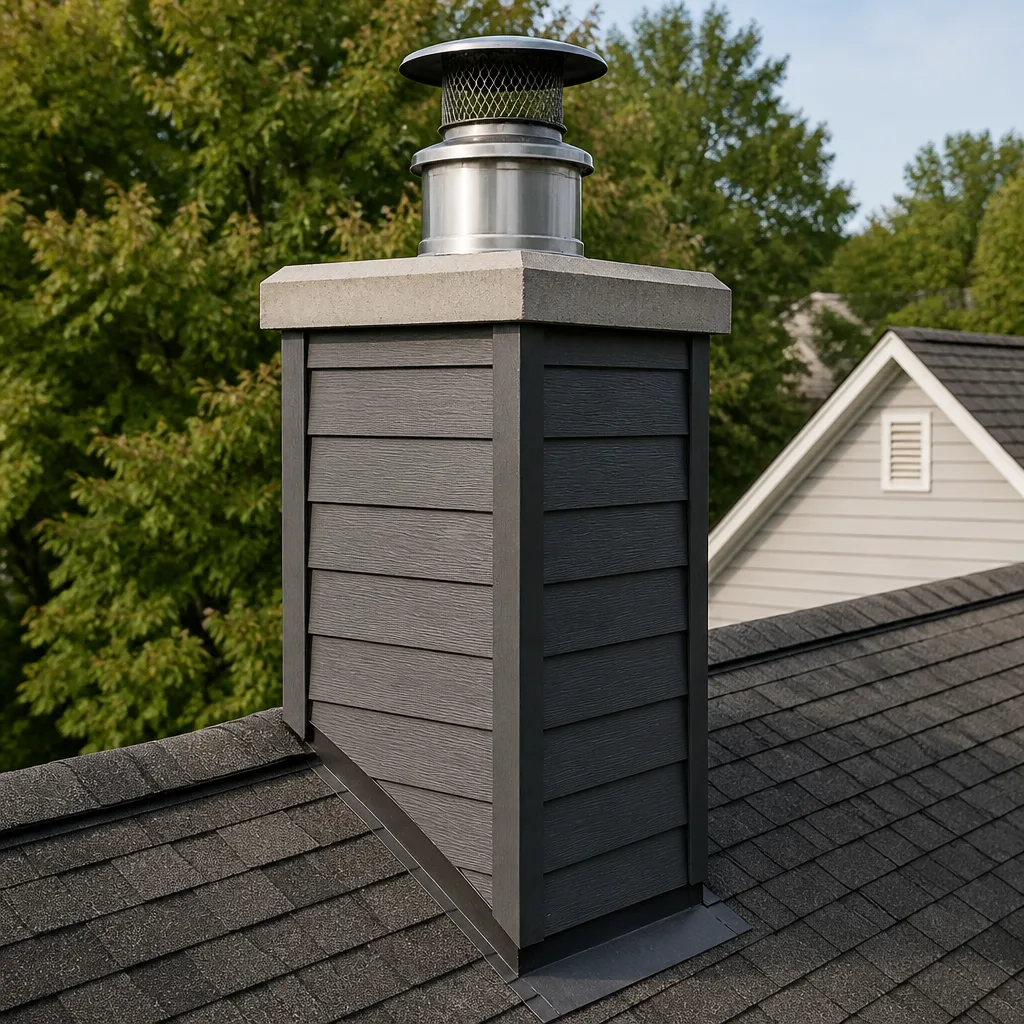 Flue relining
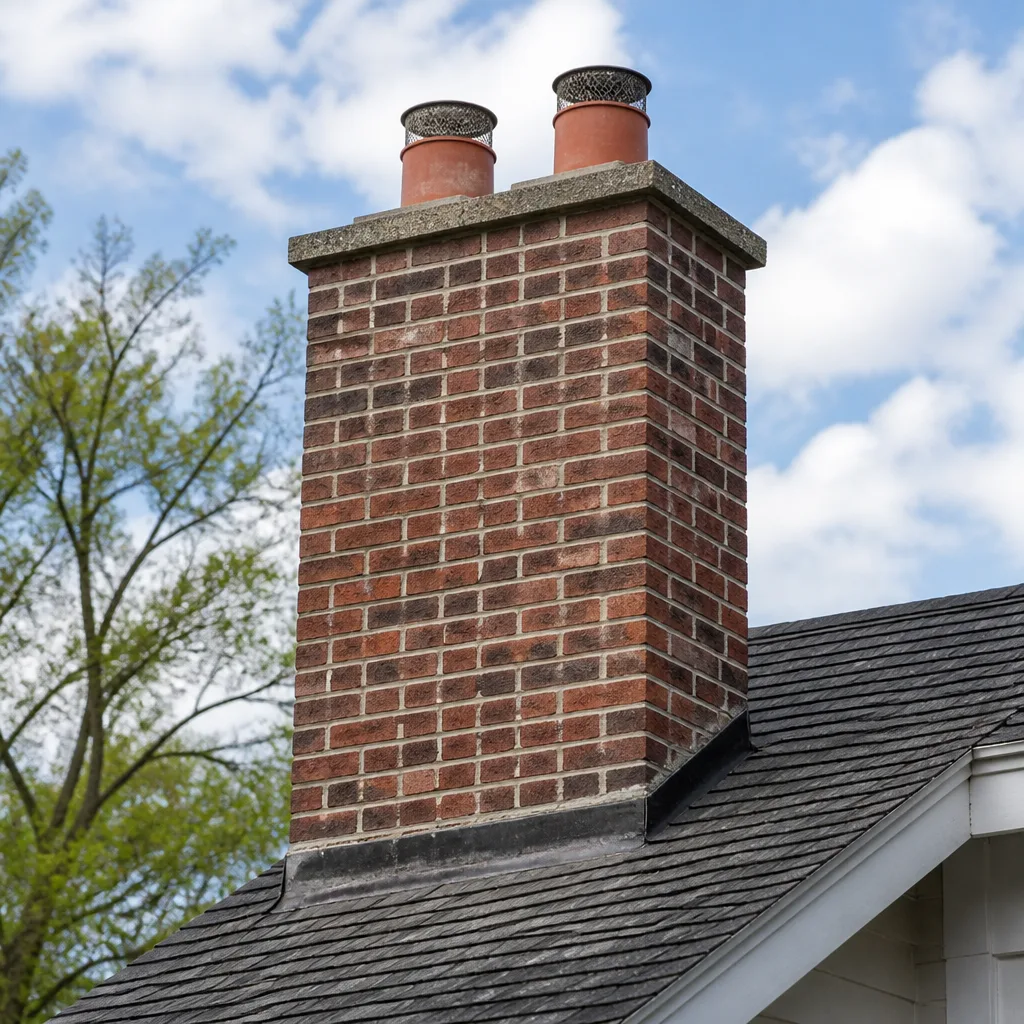 Masonry repair
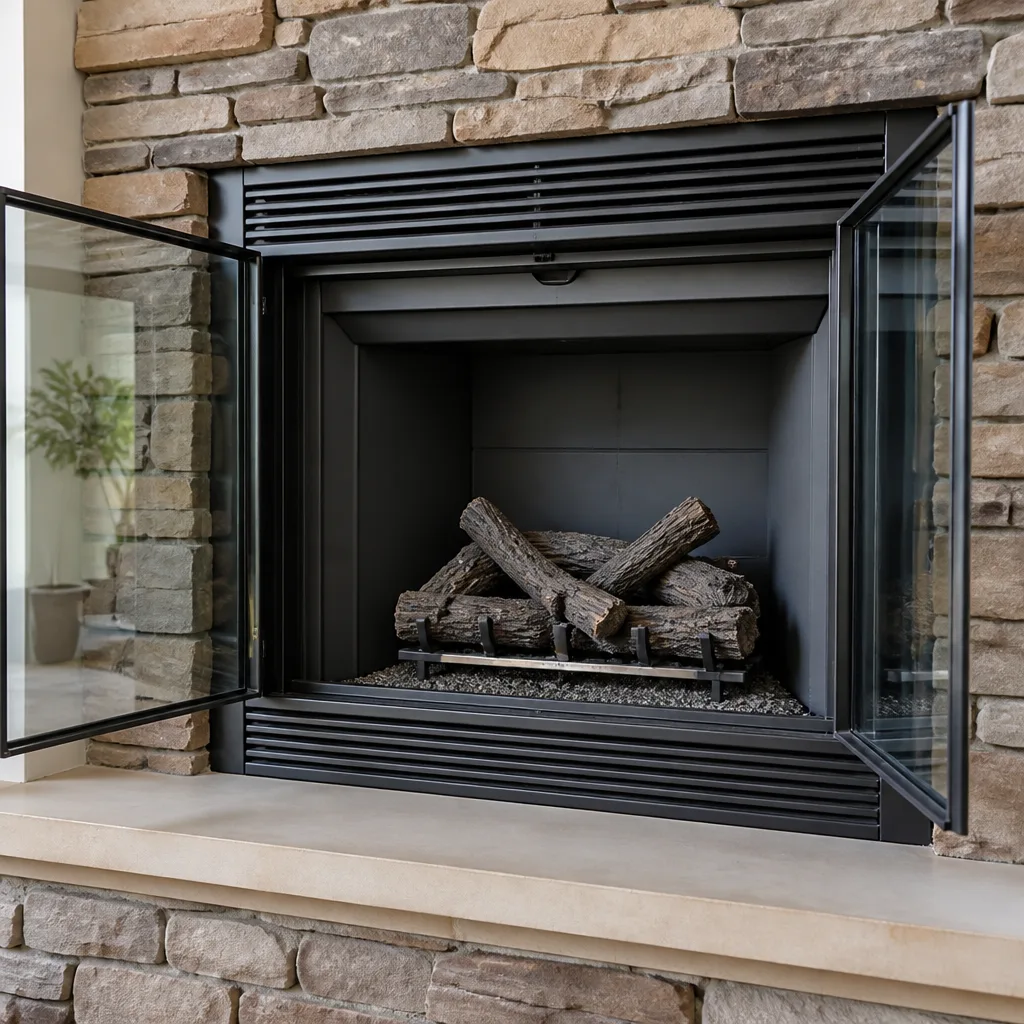 Gas fireplace service
Level 1 sweep and inspection to the NFPA 211 annual standard - flue, crown, cap, and flashing checked and photographed
Chimney sweep logs do not sweep chimneys. They loosen some creosote - which then falls where a brush and vacuum still have to collect it.
Styles & brands we work with
See the difference
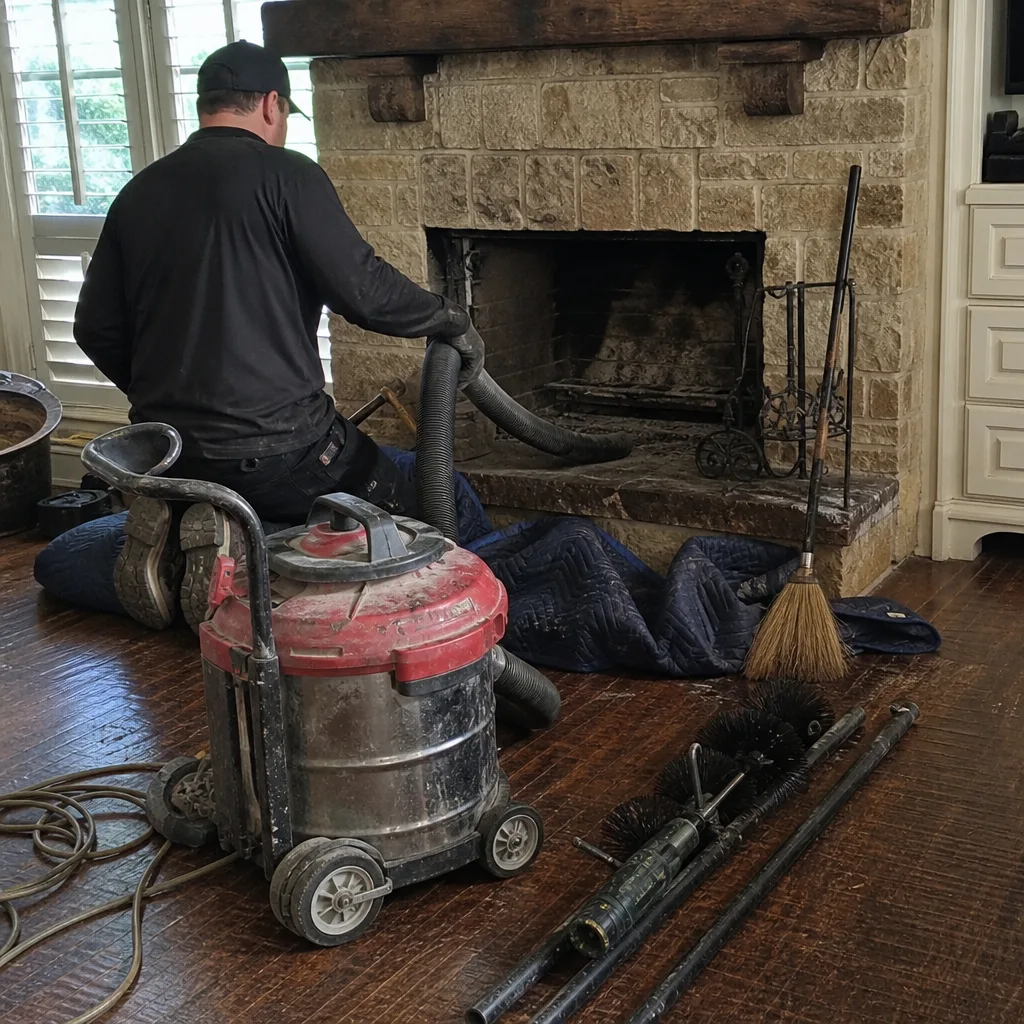 Before
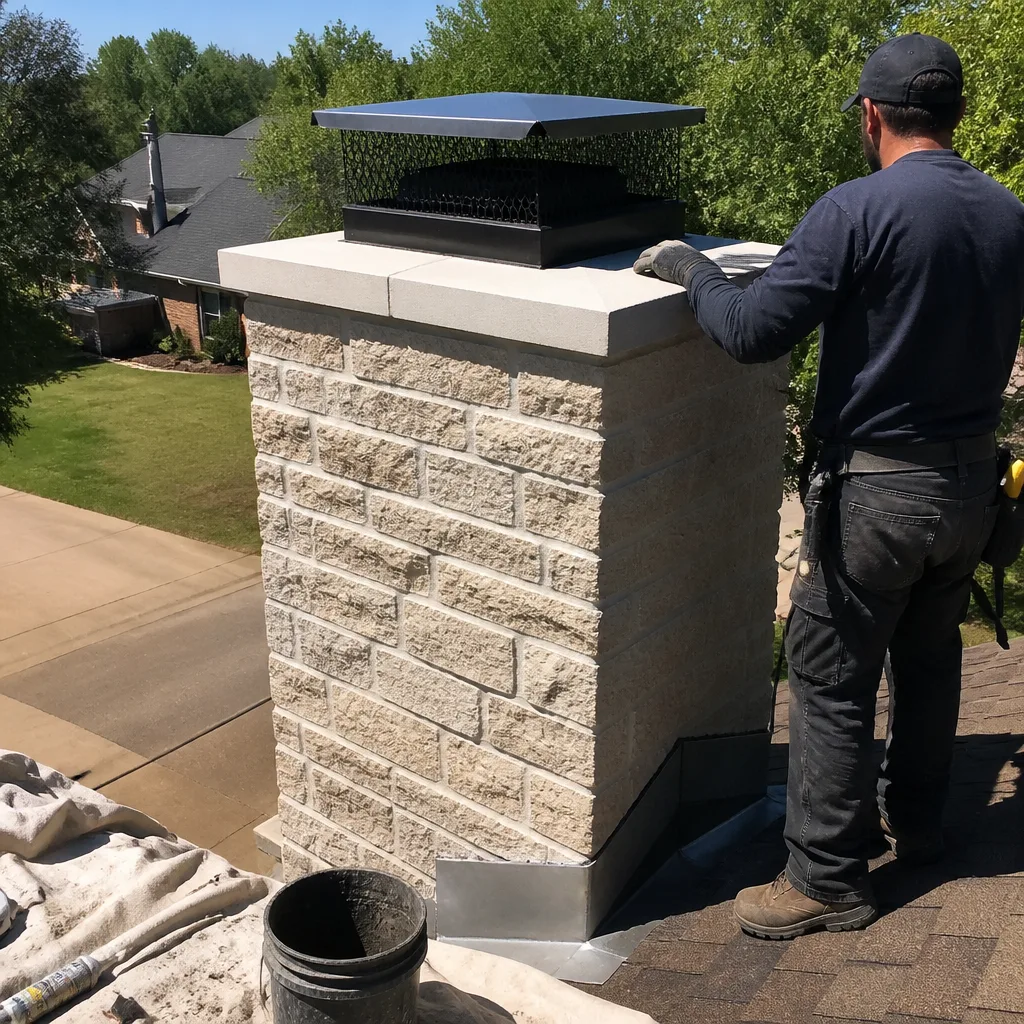 After
After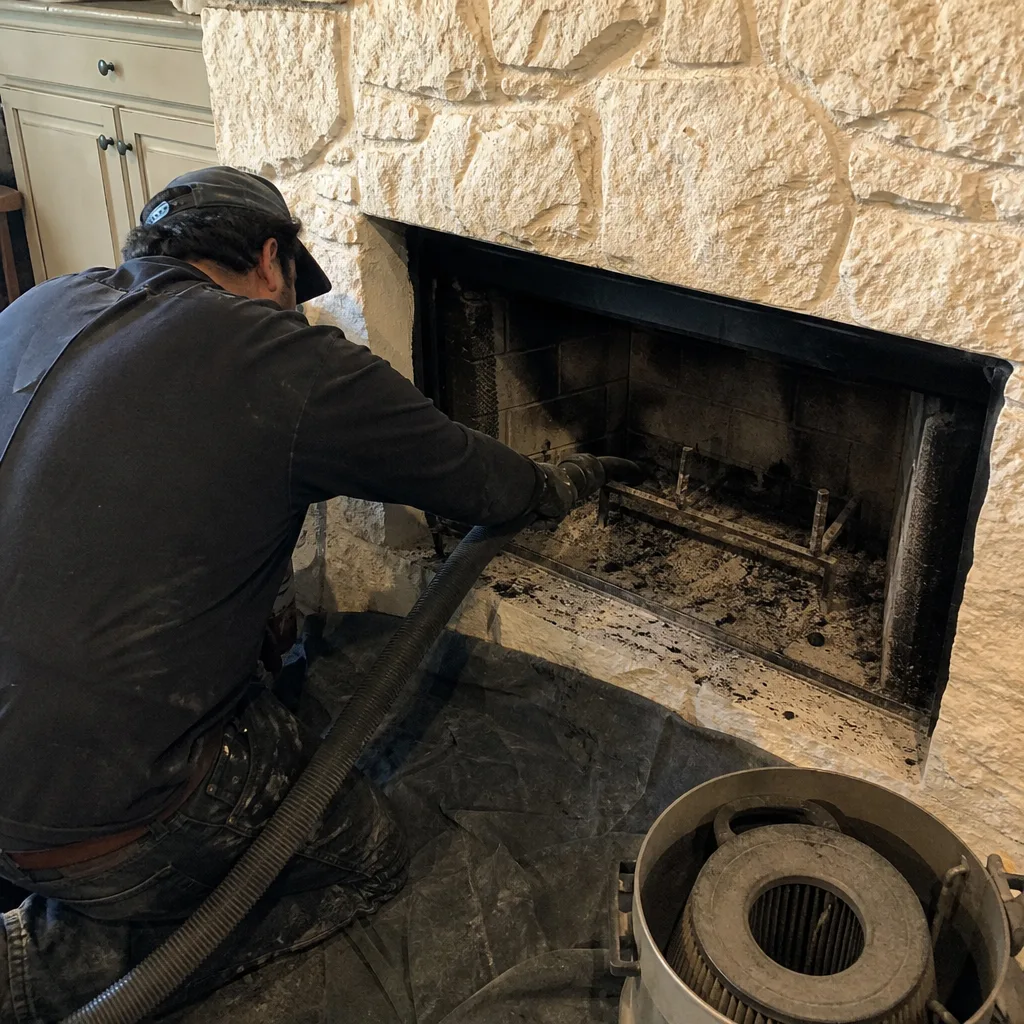 Before
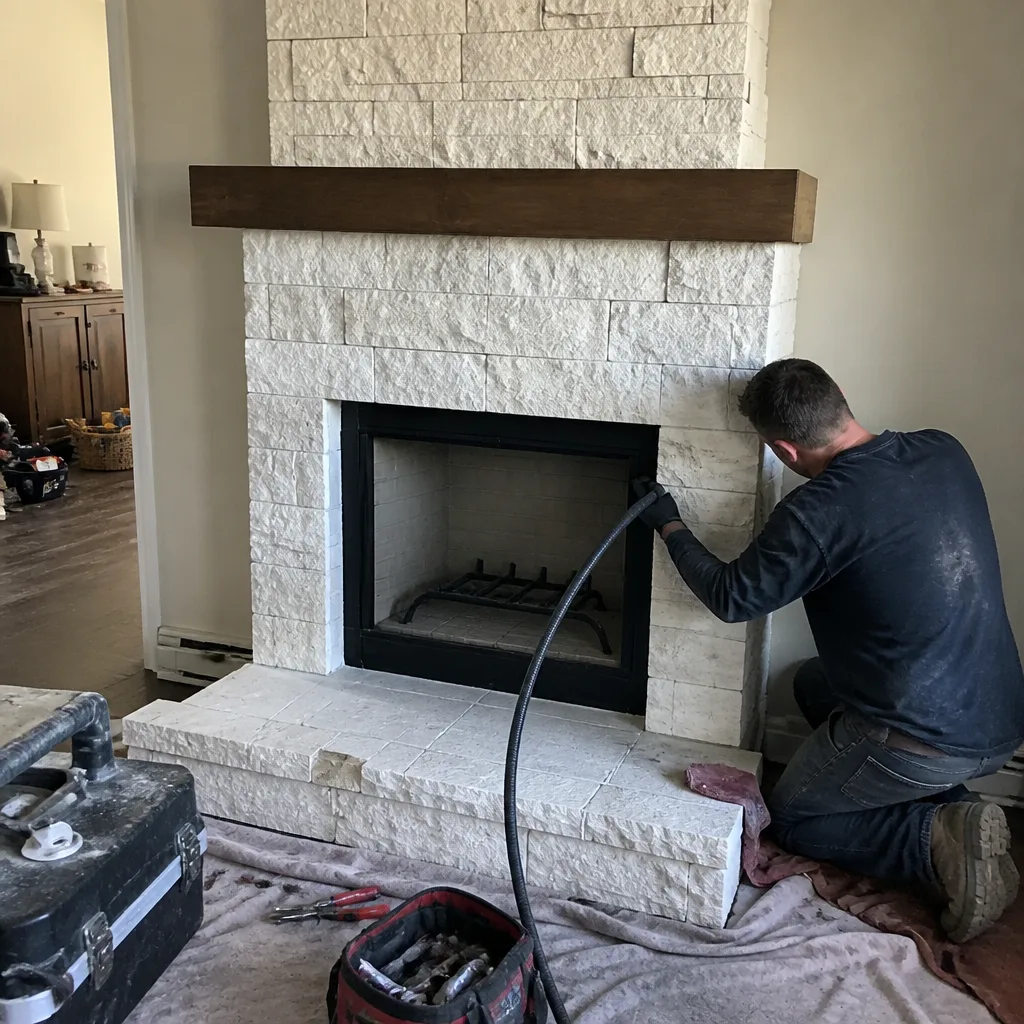 After
After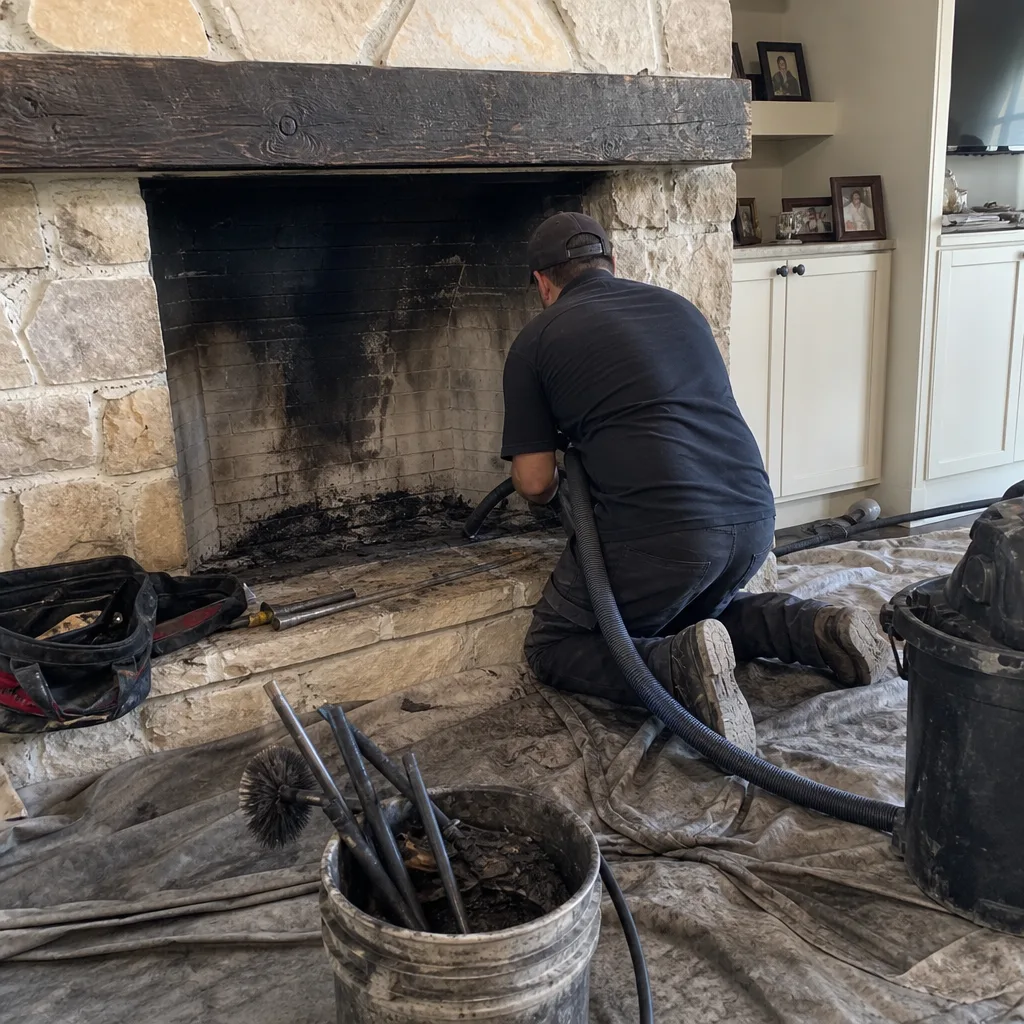 Before
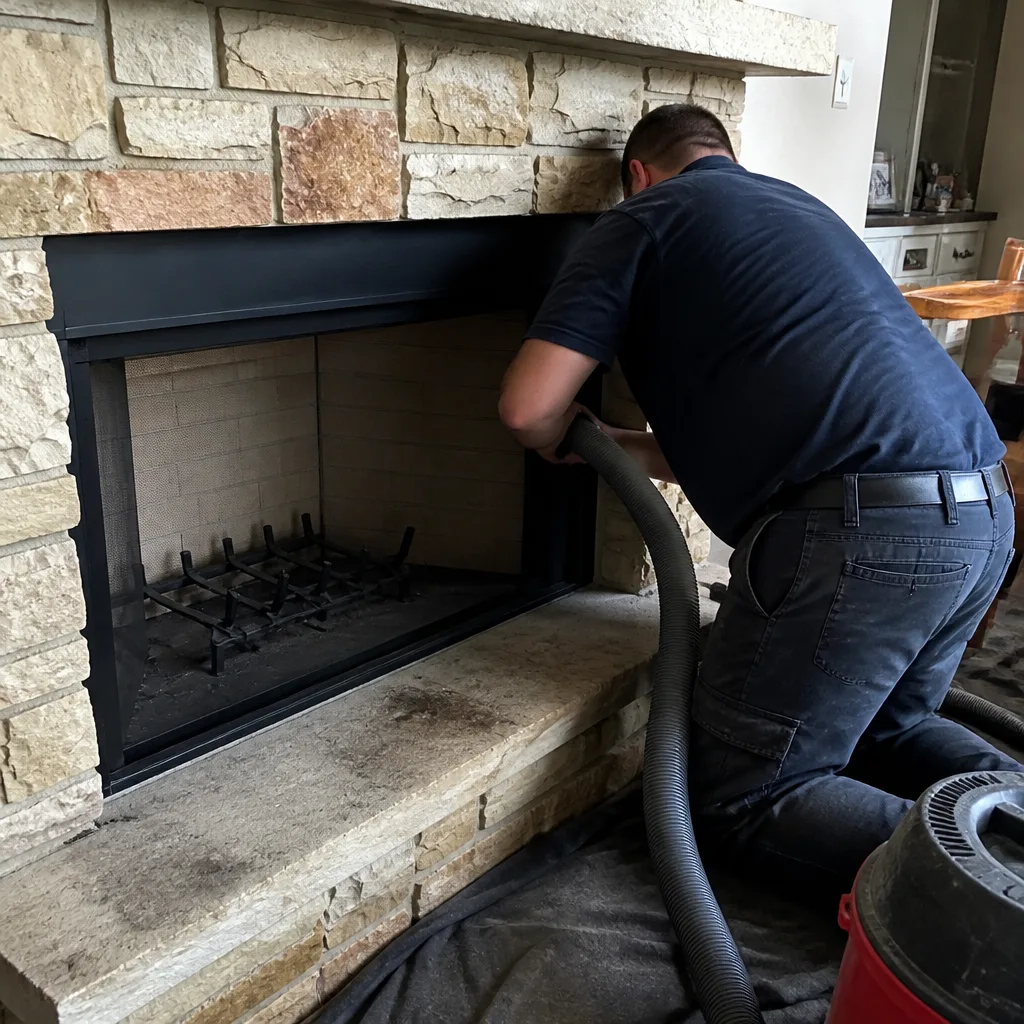 After
AfterHow Much Does Chimney Cap & Crown Cost in Fort Worth?
Chimney cap and crown work in Fort Worth typically costs between $285 and $1,800, with most standard cap replacements landing around $350 to $750 and full crown rebuilds running $900 to $1,800. The spread comes down to material choice (stainless steel vs. copper vs. galvanized), whether the crown needs a minor patch or a complete tear-out and repour, and how accessible your roofline is from the ladder. At Kindling Chimney Fort Worth, we quote a written price before any work starts, so the number you approve is the number you pay.
Chimney Cap & Crown Cost Breakdown (2026)
Here is what you can expect to pay in the Fort Worth market right now. These are real working numbers our team quotes on a weekly basis in neighborhoods like Ryan Place, Mistletoe Heights, Monticello, Wedgwood, and up toward Keller and Haslet.
| Service | Typical Price Range (Fort Worth, 2026) | Notes |
|---|---|---|
| Standard stainless steel chimney cap (single-flue) | $285 – $450 | Includes cap, flashing, mounting, and sealant. Most common job we do. |
| Multi-flue stainless steel cap | $500 – $850 | For homes with two or more flues sharing one crown. |
| Copper chimney cap (single-flue) | $750 – $1,400 | Longer lifespan and looks sharp on older brick, but material cost is high. |
| Galvanized steel cap | $225 – $350 | Budget-friendly but shorter life in Texas heat and rain. We stock these but often steer families toward stainless. |
| Crown patching (small cracks, hairline damage) | $250 – $475 | Viable only when the crown is mostly intact. Stops water from finding the firebox. |
| Full crown rebuild (tear-out and repour) | $900 – $1,800 | Includes removal of old crown, custom form, proper concrete or mortar mix, and sealing. |
| Combined cap replacement + crown rebuild | $1,150 – $2,600 | Most economical as a single visit. Saves a second trip charge and scaffold setup. |
| Waterproofing treatment (after crown work) | $125 – $250 | Applied to the crown and upper brick. We use breathable, pet-safe sealers. |
These prices include the cap or crown material, the labor for the technician on the roof, the sealant, and the clean-up of all debris from the work area. What moves a job toward the higher end of a range is roof pitch, chimney height above three stories, whether we need to remove and reset a cricket flashing, and whether clay flue tiles need trimming to fit the new cap. What moves a job lower is a single-story home with a walkable roofline and a standard flue size that matches a stock cap.
What Affects Chimney Cap & Crown Pricing in Fort Worth
- Material choice. Stainless steel costs more than galvanized but laughs at Texas thunderstorms for 20-plus years. Copper is beautiful and lasts decades, but you pay for that beauty up front. A crown should always be poured from a proper crown mix, not run-of-the-mill mortar, because North Texas freezes hit the top of a chimney harder than any other surface on the house.
- Roof pitch and chimney height. Fort Worth roofs range from flat in older bungalow neighborhoods to steep pitches in new construction east of Loop 820. A two-story chimney on a 8/12 roof takes longer, requires more safety rigging, and costs more than a one-story on a walkable 5/12. Heights above three stories almost always add $75 to $150 in gear and setup time.
- Flue tile condition. When a cap failed years ago, the flue tiles beneath it often crack or crumble at the top lip. If your flue tiles are spalled, we need to trim and seal them before the new cap seats correctly. That adds $80 to $180 but prevents the new cap from wobbling and letting rain in around the edges.
- Crown damage extent. A crown with a couple of hairlines can be sealed and patched in under two hours. A crown that looks like a dried lakebed, with chunks missing and rebar rust, needs a full teardown and repour. In older Fort Worth homes, we regularly find crowns that were original to the house and never maintained. Full rebuilds in these cases cost toward the upper end.
- Access and obstruction. Trees, power lines, satellite dishes, and solar panels can all turn a 45-minute cap swap into a two-hour job. If your chimney is boxed in by a gable, we may need a roof hoist or extra ladder work. We flag access issues during the on-site estimate, never in a surprise line item after the work is done.
- Time of year. This is real, not a sales script. October through January is peak chimney season in Tarrant County because everyone wants their fireplace working before the first real cold snap. During those months, availability tightens and some companies add peak pricing. We keep our pricing flat year-round, but if you want the earliest possible appointment, booking a cap or crown repair in late summer or early fall gets you ahead of the rush.
Chimney Cap vs. Crown: What Each One Actually Does
These two parts get lumped together constantly, but they do different jobs and fail in different ways. Knowing which one is failing saves you from paying for work you don’t need.
The crown is the concrete or mortar slab on top of the chimney that slopes away from the flue and directs water off the masonry. A good crown overhangs the brick edge by about two inches so rain drips off onto the roof instead of running down the chimney face. When crowns start failing in Fort Worth, it’s usually because the original pour used standard brick mortar instead of proper crown mix, and years of summer heat expanding the concrete followed by winter freezes contracting it have opened cracks wide enough to hold water.
The cap is the metal hood that sits over the flue opening itself. It keeps rain out of the firebox, keeps birds and squirrels from nesting in your chimney, and acts as a spark arrestor so embers don’t land on your roof. A cap also prevents downdrafts that can push smoke back into the living room on windy days. When we inspect caps across Fort Worth, the most common failure we see is galvanized steel that has rusted through at the seam or a cap that was never properly sized to the flue in the first place.
If your crown is cracked but your cap is fine, you need crown work. If your cap is rusted or missing but your crown slopes properly with no cracks, you need a cap. When both are shot, doing them together in one visit saves the second mobilization fee and gets the whole chimney sealed before the next storm. Our full guide to Chimney Cap & Crown in Fort Worth walks through how we diagnose each component, and our home page covers everything we do beyond caps and crowns.
Signs Your Chimney Cap or Crown Is Failing
You don’t need to climb on the roof to spot most cap and crown problems. Here’s what we hear from Fort Worth homeowners before they call us, and what we usually find when we get on the roof:
- Water in the firebox after heavy rain. This is the single most common call we take. Texas thunderstorms dump inches in an hour, and a failed cap or cracked crown lets water run straight down the flue. If you see standing water or wet ash inside the fireplace, something above is open.
- Chunks of concrete or mortar on the roof or ground. Crowns don’t fail quietly. When pieces start spalling off, you’ll find small chunks on the shingles or right at the base of the chimney on the ground. This means the crown is actively deteriorating and needs a rebuild, not a patch.
- White staining (efflorescence) on the chimney face. That white chalky deposit is water pulling salts through the brick. It means water is getting into the top of the chimney and traveling down through the masonry. The brick isn’t ruined yet, but the entry point needs to be found and sealed.
- Animal sounds or nesting material. Squirrels, starlings, and raccoons all find chimneys without caps ideal real estate. If you hear scratching above the damper or smell something unpleasant near the fireplace, the cap is likely missing, undersized, or rusted through. Wildlife removal adds separate costs, so catching this early matters.
- Smoke backing into the room on windy days. A missing cap changes the pressure at the top of the flue and can push smoke back into the house. If your fireplace behaved fine for years and now puffs smoke when gusts roll through, the cap is a likely culprit.
Any one of these signs is enough reason to get an inspection. The inspection itself gives you a definitive answer about which component needs what, and we photograph everything from the roof so you can see exactly what we saw.
Safety Note on Chimney Top Work
Chimney cap and crown work happens at height, on a sloped surface, with tools in hand. The temptation to climb a ladder and slap a universal cap on the flue is strong, especially when a YouTube video makes it look like a 20-minute job. It is not a 20-minute job on a Fort Worth roofline. Falls from chimneys and roofs are among the most serious home-repair injuries, and the crown work itself involves mixing concrete at the right ratio, forming a proper overhang, and curing the pour correctly so it doesn’t crack again in 18 months. If you are comfortable doing interior maintenance, that’s great. Chimney tops are not interior maintenance. Our technicians carry full fall protection, work in pairs on steeper rooflines, and follow the same safety protocol on every job, whether it’s a $285 cap swap or a $1,800 crown rebuild. The risk of doing this wrong is not worth the money saved, and a bad crown repair can let water into the house for years before anyone notices.
How to Save on Chimney Cap & Crown in Fort Worth
We’re not in the business of padding bills. Here is what actually keeps the cost down, from the people who do this work every day.
- Bundle cap and crown work into one visit. The mobilization cost, ladder setup, and safety rigging are the fixed base of any chimney job. If both components need attention, doing them together saves you that base cost a second time. On average, bundling saves $125 to $200 compared to two separate visits.
- Don’t wait until the crown is beyond repair. A hairline crack sealed now is a $250 to $475 job. The same crown ignored for three more seasons becomes a $1,200 rebuild. Water intrusion accelerates quickly in freeze-thaw cycles, and Fort Worth sees enough freezes every winter to make a small crack a big problem within two years.
- Choose a properly sized stock cap over a custom cap when possible. Most single-flue chimneys in Fort Worth use standard flue dimensions that match stock stainless steel caps. If a stock cap fits, you avoid the custom fabrication cost entirely. We’ll tell you honestly whether a stock unit fits; if it does, that’s what we quote.
- Schedule in the off-season. Between February and August, our schedule is lighter. Materials don’t cost less, but you’ll have more appointment flexibility and often faster turnaround. We don’t offer a seasonal discount, but the availability alone helps families who need the work done around their own schedule rather than fighting for a slot during the October rush.
- Get the written price before committing. All of our estimates are free and delivered in writing before any work begins. You’ll always know the number. There’s no upsell pressure after the estimate, and if the job turns out to be simpler than we quoted (rare, but it happens), the bill is adjusted down, never up. Call (682) 382-9934 and ask about a free chimney cap and crown estimate.
Why Fort Worth Weather Is Hard on Chimney Caps and Crowns
This is information gain you won’t find on a generic chimney site. The Tarrant County climate does specific things to chimney tops that a contractor from Ohio or Arizona might not account for.
First, the freeze-thaw cycle. Fort Worth doesn’t freeze all winter like northern cities, but it freezes enough. When water seeps into tiny crown cracks during a December rain and then the temperature drops below 32°F that night, the water expands by about 9 percent as it turns to ice. That expansion widens the crack. The next rain puts more water in the wider crack, and the next freeze splits it further. Over three or four North Texas winters, a hairline becomes a gap. This is why crowns that were poured from standard brick mortar, which is softer and more absorbent than proper crown mix, fail so quickly in Fort Worth.
Second, the spring storm season. March through May brings the horizontal rain and hail that tests every cap on every roof in the metroplex. A cap with a small rust hole at a seam lets wind-driven rain blow sideways into the flue. A crown with a too-small overhang lets wind-driven rain run down the brick face, and that water eventually stains interior walls, softens drywall around the firebox, and encourages mold in attics near the chimney chase.
Third, the brutal August heat. Fort Worth regularly hits 100°F for weeks at a time, and chimney tops are the most heat-exposed surface on the home. Galvanized steel caps expand and contract constantly in these conditions, which is why their seams fail faster here than in milder climates. The heat also accelerates the breakdown of cheap sealants. We only install caps with stainless steel hardware and use sealants rated for high-temperature, high-UV environments, because the standard caulk from a big box store will crack and peel within one Fort Worth summer.
When we build a crown in Fort Worth, we use a mix with the right compressive strength for our freeze-thaw reality, and we form an overhang of at least two inches so water sheds away from the brick. When we install a cap, we recommend stainless or copper in this market over galvanized because the cost difference (usually $100 to $200) buys you an extra decade or more of life in a climate where galvanized rusts through in seven to ten years.
What to Expect When We Come Out
The process is designed around one goal: you know exactly what’s happening, what it costs, and what the result will be before we ever put a ladder on the house.
When you call, a live person answers. We don’t route you through a phone tree or email queue. You’ll speak with someone who can schedule the inspection and answer basic questions about pricing and timeline. That person can also give you a rough range over the phone so you know whether the job fits your budget before we even arrive.
The technician arrives in uniform, background-checked, and follows the C.A.R.E. values on every visit: Care for the home, Accountability for the work, Respect for your space, and Excellence in the result. Before anything else, shoe covers go on and drop cloths go down along the path from the entry door to the fireplace. We don’t move furniture without asking, and if the kids are napping or the dog is anxious, we’ll work around that, using quiet tools where we have the choice and keeping the noise profile as low as the job allows.
The inspection covers the cap, the crown, the flue, the firebox, and the damper. You get a written price for the recommended work before anything is done, and that price is the price. No last-minute additions, no pressure to sign on the spot. If the repair is straightforward, we’ll often be able to complete it the same day. If it’s a crown rebuild, we’ll schedule a return within the week and let you see the weather forecast before confirming the date.
Before the crew leaves, we photograph the clean-up and show you the completed work. The 365-Day Done Right Promise stands behind the job: if anything isn’t right within a year of the work date, we make it right. No fine print, no runaround.
Chimney Caps, Crowns, and Your Family
A working cap and a sound crown protect more than masonry. They keep water out of the firebox so the fireplace is ready when the first cold front hits. They keep birds, squirrels, and raccoons out of your flue so you never wake up to scratching sounds above the bedroom ceiling. They keep embers off the roof so a family with kids playing in the backyard never has a spark land in the dry grass near the fence line.
If you use your fireplace regularly from November through February, the way many Fort Worth families do, the top of the chimney is the difference between a fire that burns clean and draws well and a fire that smokes into the living room and leaves the house smelling like last week’s campfire. The cap and crown are the first line of defense on the entire chimney system, and in our experience, they’re also the most neglected because they’re not visible from the ground.
We use professional-grade materials from brands like DuraFlex, HeatShield, Gelco, Olympia Chimney, Famco, and Copperfield because these are the products trusted by full-time chimney professionals, not the universal-fit parts sold at big box stores. The right cap for your flue size matters, and the right crown mix for North Texas winters matters more. This isn’t a place to cut corners.
FAQs – Chimney Cap & Crown Cost
How much does a chimney cap cost in Fort Worth?
A standard stainless steel chimney cap for a single flue in Fort Worth runs $285 to $450 including installation. Copper caps run $750 to $1,400. Galvanized runs $225 to $350 but typically needs replacement within seven to ten years in our climate. Call (682) 382-9934 for an exact quote and a free on-site estimate.
How much does a chimney crown replacement cost in Fort Worth?
A full chimney crown rebuild in Fort Worth costs $900 to $1,800 depending on chimney size, access, and whether flue tile repair is needed at the same time. Modern crown construction includes a proper slope for water runoff and a drip edge that keeps rain off the brick face. Patching a crown with minor cracking runs $250 to $475.
Is it cheaper to repair or replace a chimney crown?
If the crown has only hairline cracks and most of the surface is intact, patching and sealing at $250 to $475 is the more economical move and can add several years of life. If the crown is spalling, missing chunks, or has cracks wider than a nickel, repair is a stopgap and replacement at $900 to $1,800 is cheaper in the long run because you avoid the water damage that continues behind the patch.
Can you install a chimney cap the same day?
In most cases, yes. Single-flue cap installations take 45 to 90 minutes once the technician is set up, and if the parts are on the truck and the weather is cooperative, we can often complete the job on the initial visit. Crown rebuilds require the new pour to cure, so those are scheduled for a return visit, usually within the same week. Call (682) 382-9934 to check same-day availability.
Does homeowners insurance cover chimney cap or crown damage in Texas?
Homeowners insurance in Texas typically covers chimney damage when it results from a covered peril like hail, wind, or a falling tree, but it excludes damage from normal weathering, deferred maintenance, or age. If a Fort Worth hailstorm damaged your cap or crown, document the date and damage with photos, then call your insurer before scheduling repairs. If the claim covers the work, we can work with your adjuster directly.
How long does a chimney crown repair last?
A properly poured crown rebuild in Fort Worth, using the right mix and a proper drip edge, should last 20 to 30 years before needing significant work again, assuming the waterproofing is refreshed every few years. A patch job on a crown with mild damage lasts 3 to 7 years before it needs re-evaluation. The original crowns on many Fort Worth homes fail within 15 to 20 years because they were poured from basic mortar, not crown-grade mix.
What’s the difference between a chimney cap and a chase cover?
A chimney cap sits over the flue opening of a masonry chimney and keeps rain and animals out of the flue itself. A chase cover is a metal top that covers the entire wood-framed chimney chase on a prefabricated fireplace system. In Fort Worth, chase covers on pre-fab systems run $400 to $900 for standard sizes, and cap replacement on a masonry chimney runs $285 to $750. If you’re not sure which system you have, we can tell you from a photo or a quick look during the estimate.
Do I really need a chimney cap if I never use my fireplace?
Yes, and this is one of the most common questions we get in Fort Worth. Even if the fireplace never sees a fire, the flue is still an open channel to the outside. Rain goes down uncapped flues and pools in the firebox, where it eventually finds its way into the masonry, the underfloor framing, and the surrounding drywall. Birds and squirrels nest in uncapped flues year-round. A $285 to $450 cap is less expensive than repairing water damage inside the house, even if you never light a match.
Get a Free Chimney Cap & Crown Estimate in Fort Worth
If your cap is rusted through, your crown is cracking, or you just want a professional eye on the top of the chimney before the next storm season, call Kindling Chimney Fort Worth at (682) 382-9934. You’ll get a written price before any work starts, a technician who treats your home the way you do, and the 365-Day Done Right Promise behind every job. We serve the entire Fort Worth area, from the historic neighborhoods around Magnolia and Fairmount to the new builds in Alliance and Saginaw, and we’d be glad to take a look at yours.
Pricing reflects the Fort Worth market as of 2026. Kindling Chimney Fort Worth offers free estimates – call (682) 382-9934.
Written by Danny Cortes, Owner at Kindling Chimney Fort Worth, serving the Fort Worth area and every family who keeps a fire burning through the cold months.
What Our Customers Say
"Nice sweep and inspection. He was running a little behind and arrived toward the end of the window, but called to let me know and was tidy and thorough once here."
- Yvonne Castro"Smoke was coming back into the room. He found a blockage, cleared it, and cleaned up so well you'd never know he was here. Kind and patient explaining it all to me."
- Caitlin Mercer"Clean, calm, and thorough. He laid cloths from the front door to the fireplace so nothing got tracked in. Showed me before and after and explained the small repair he'd recommend, no pressure."
- Devin Marsh