
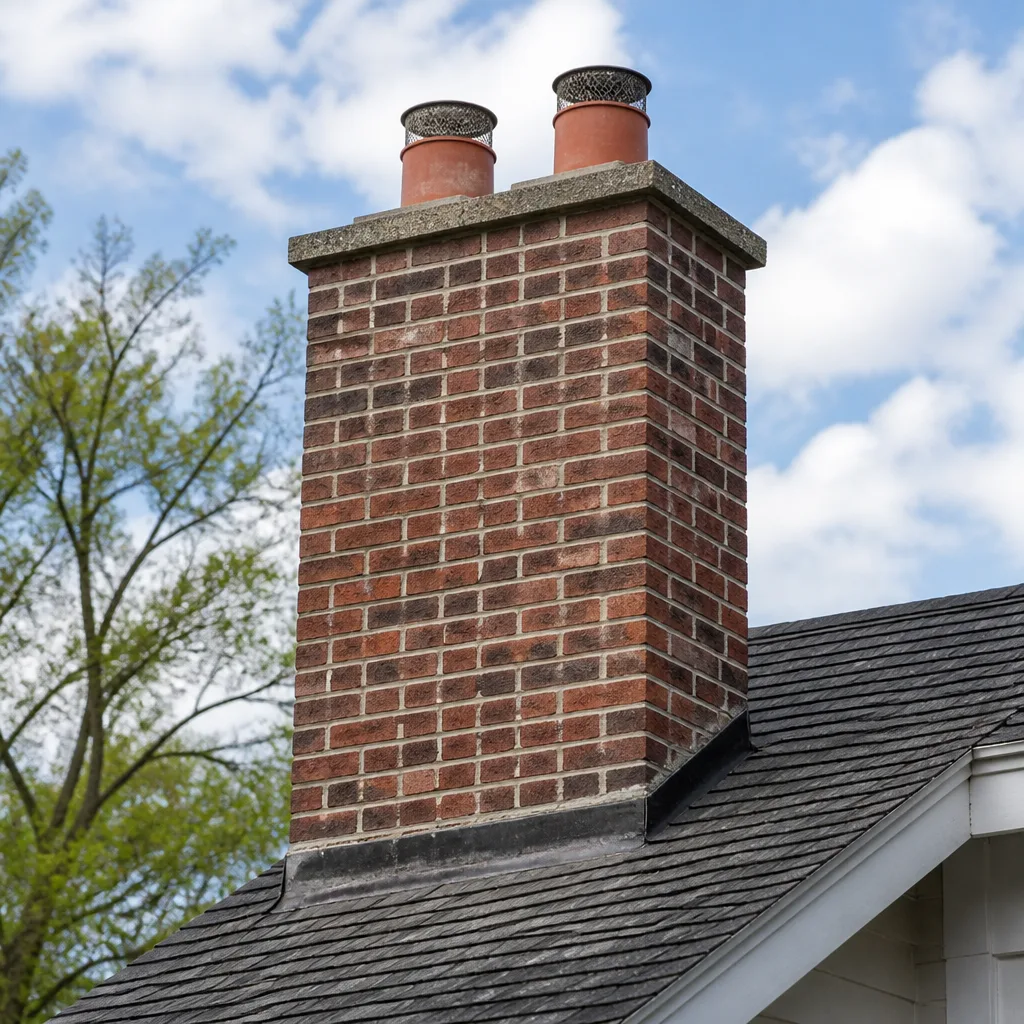
 Masonry repair
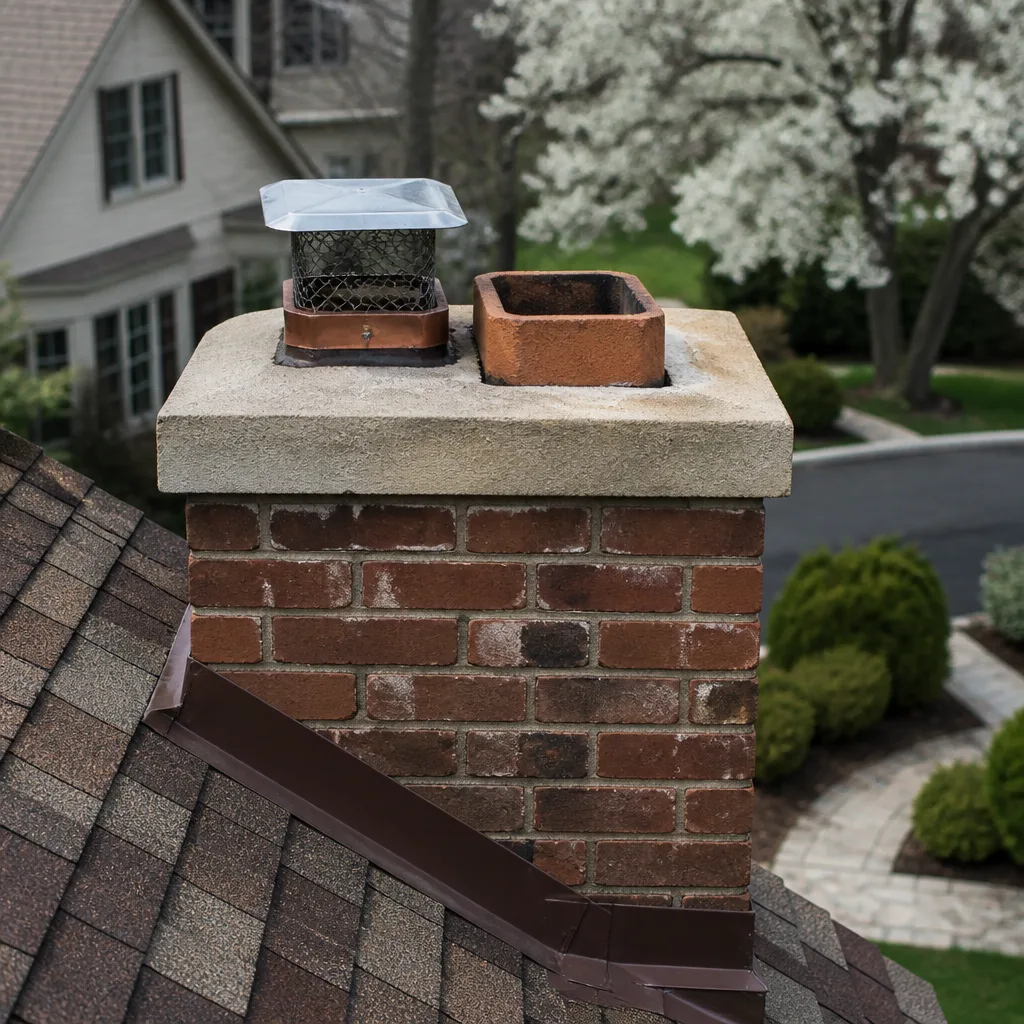 Sweep & inspection
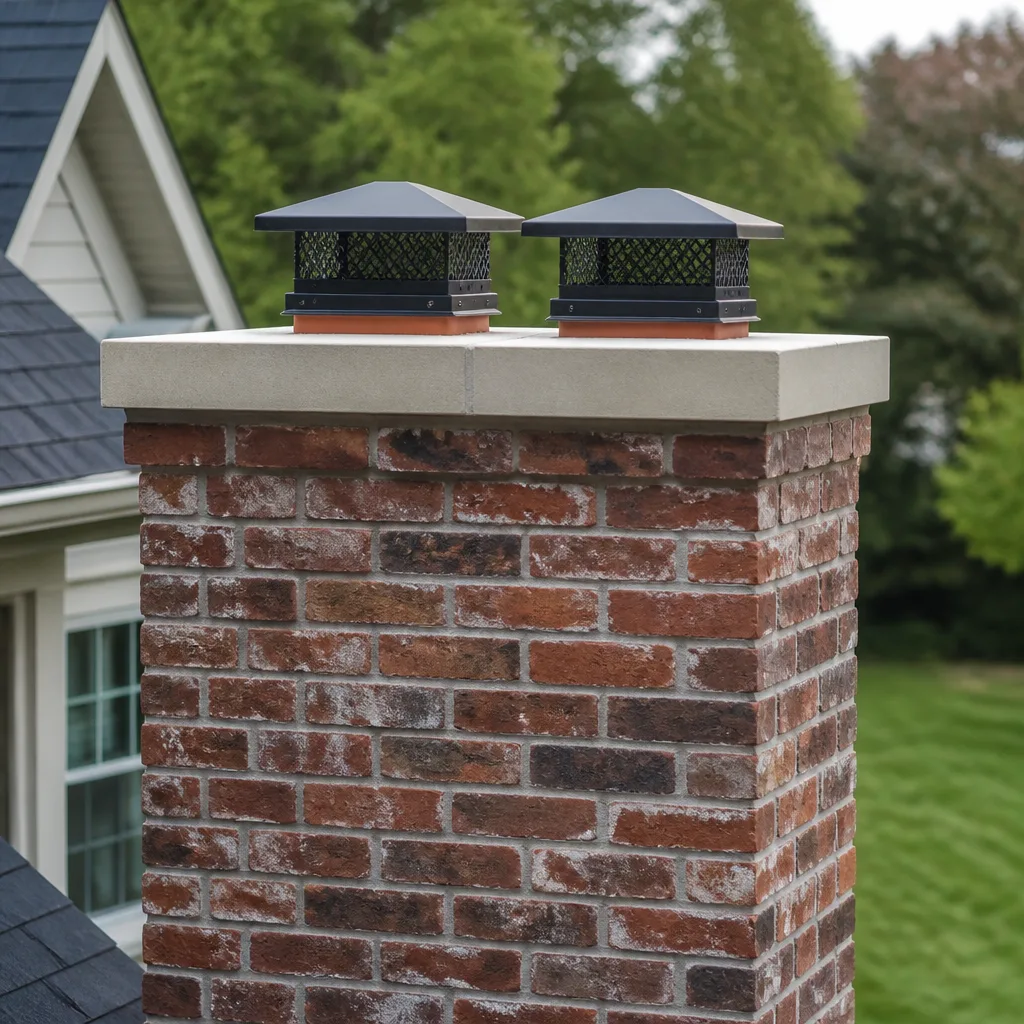 Caps & crowns
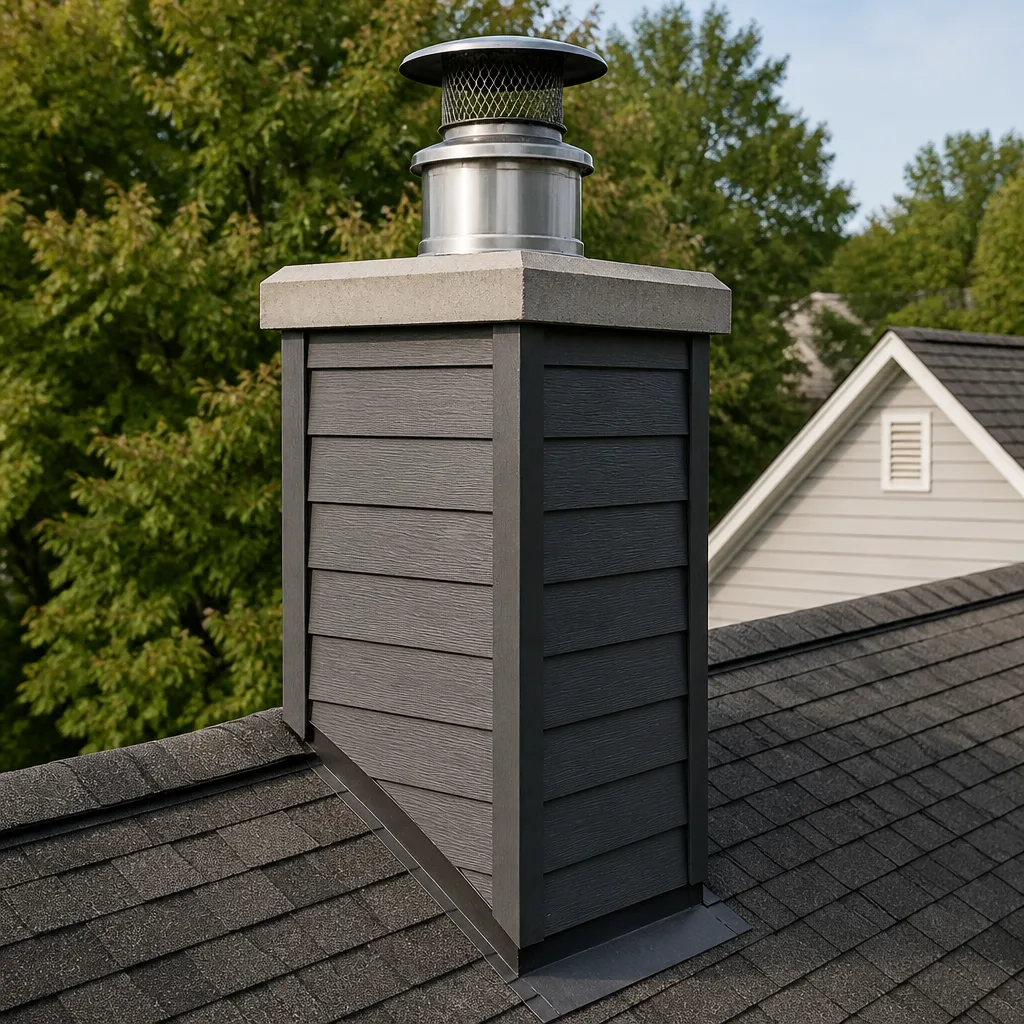 Flue relining
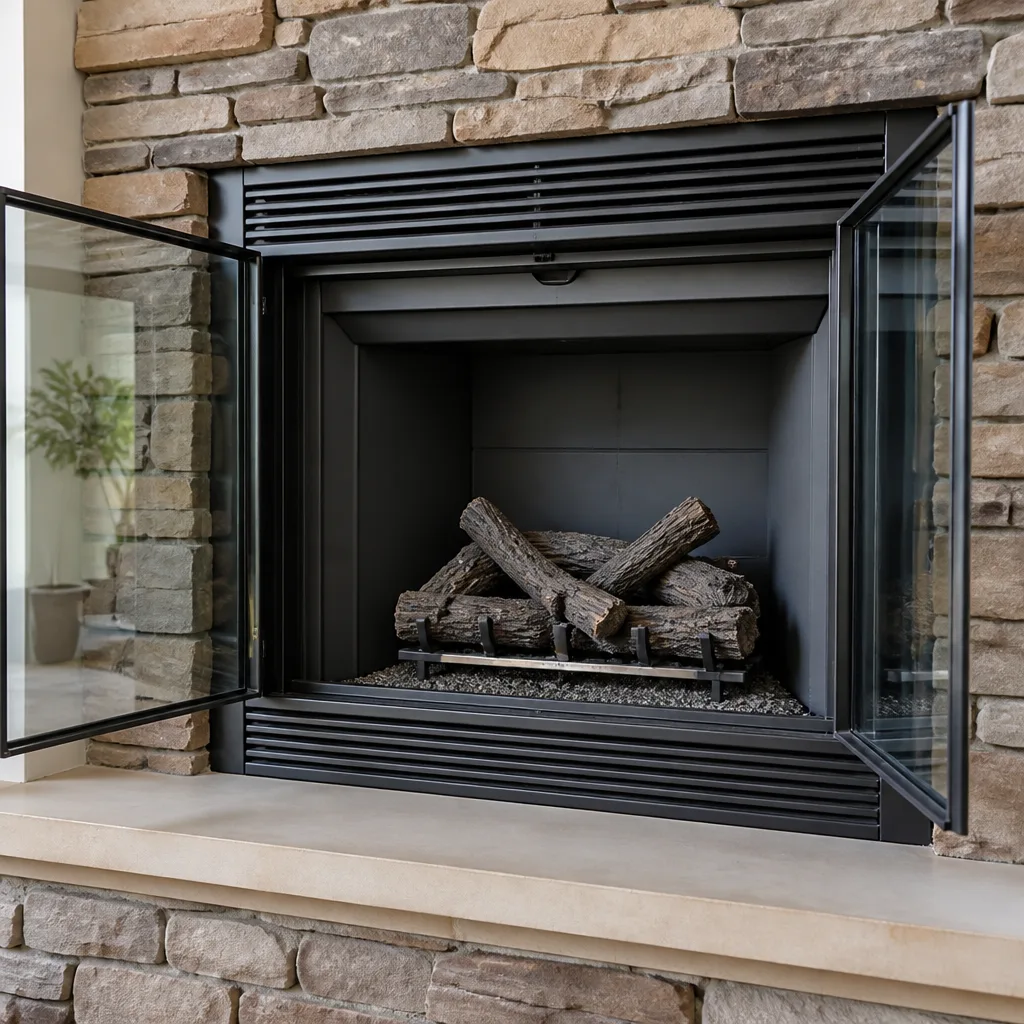 Gas fireplace service
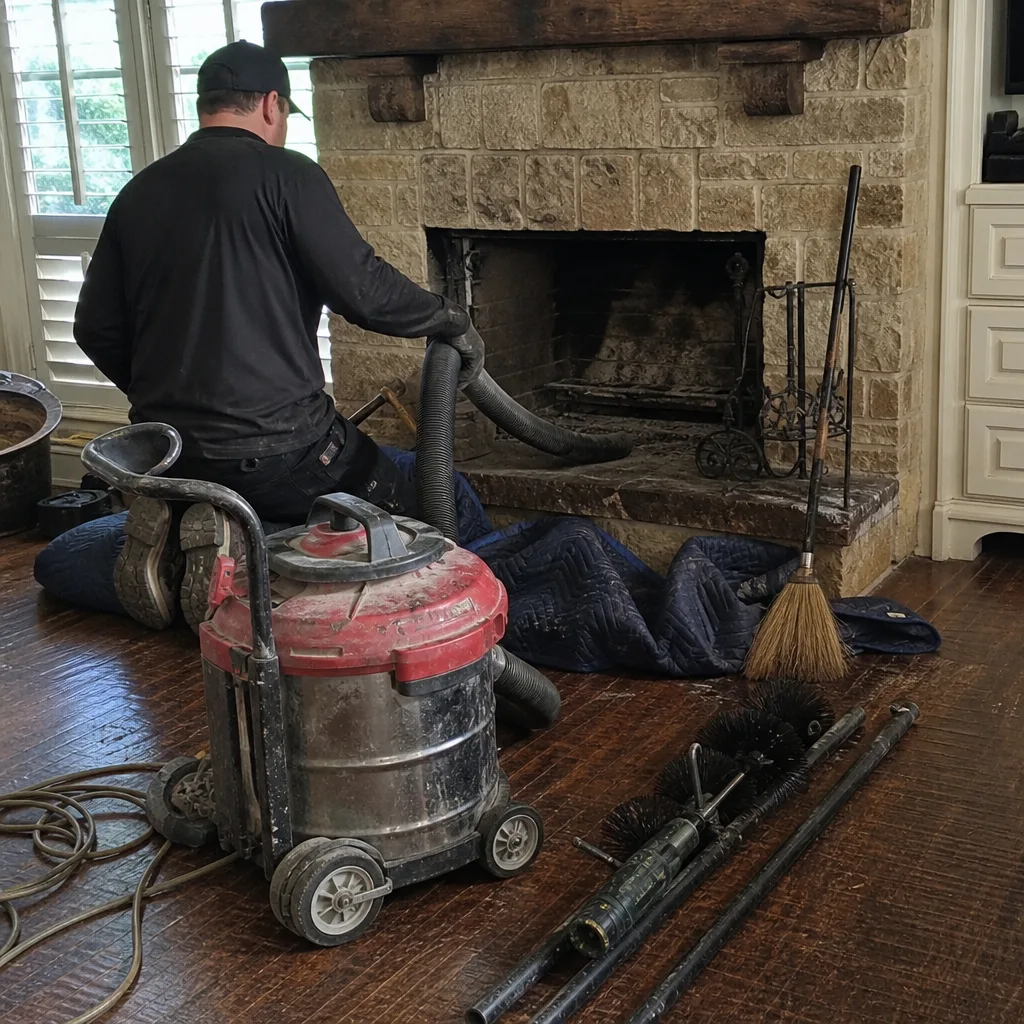
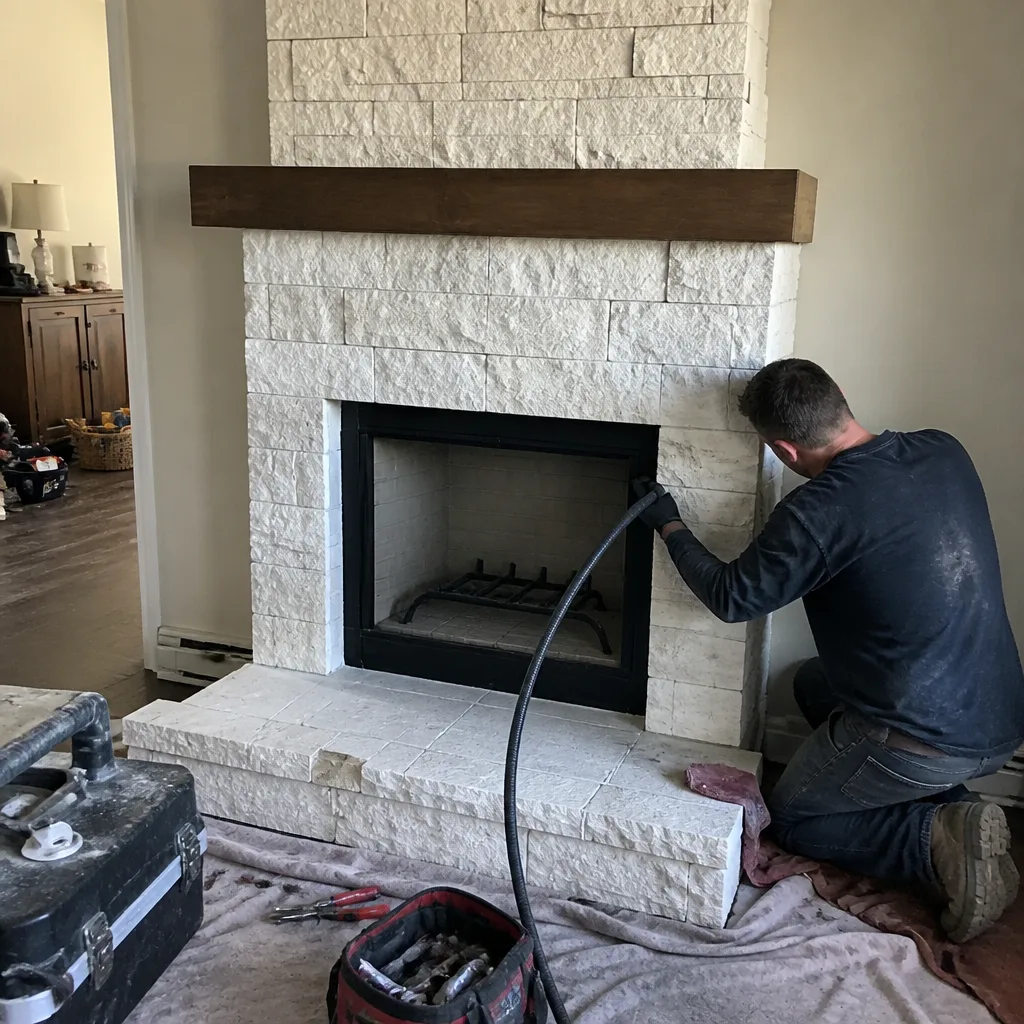
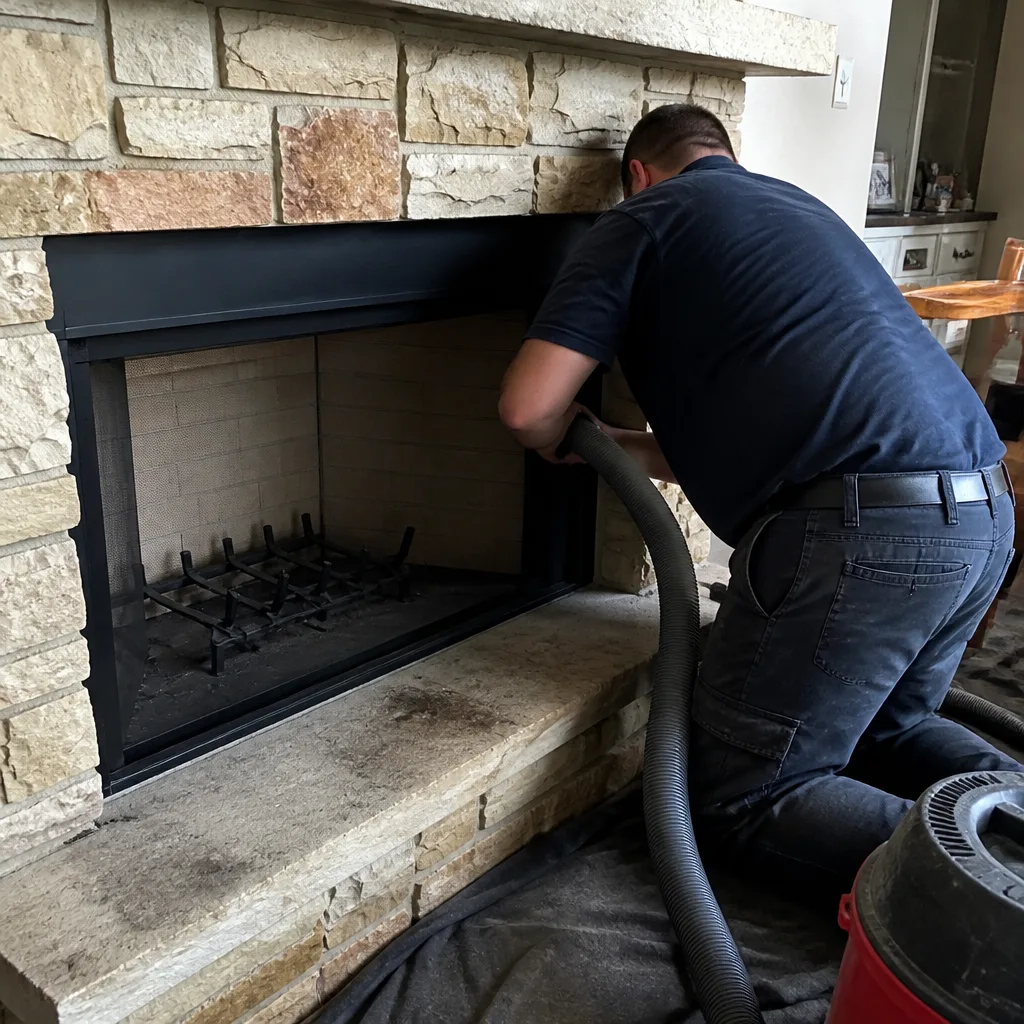
Level 1 sweep and inspection to the NFPA 211 annual standard - flue, crown, cap, and flashing checked and photographed
Chimney sweep logs do not sweep chimneys. They loosen some creosote - which then falls where a brush and vacuum still have to collect it.
HeatShield Crown Repair: The Fort Worth Owner’s Guide
We stock and install HeatShield-compatible crown repair systems throughout Fort Worth, with most complete crown repairs running between $850 and $1,800 depending on crown size, crack extent, and access. Most Fort Worth homes we visit can be scheduled within 5 to 10 business days, and we carry the HeatShield Cerfractory sealant and CrownCoat products on our trucks so we can often assess and repair in a single trip. The way most owners discover a crown problem isn’t dramatic: it’s a water stain on the ceiling near the fireplace, a musty smell after rain, or spalling brick around the top of the chimney that wasn’t there last year.

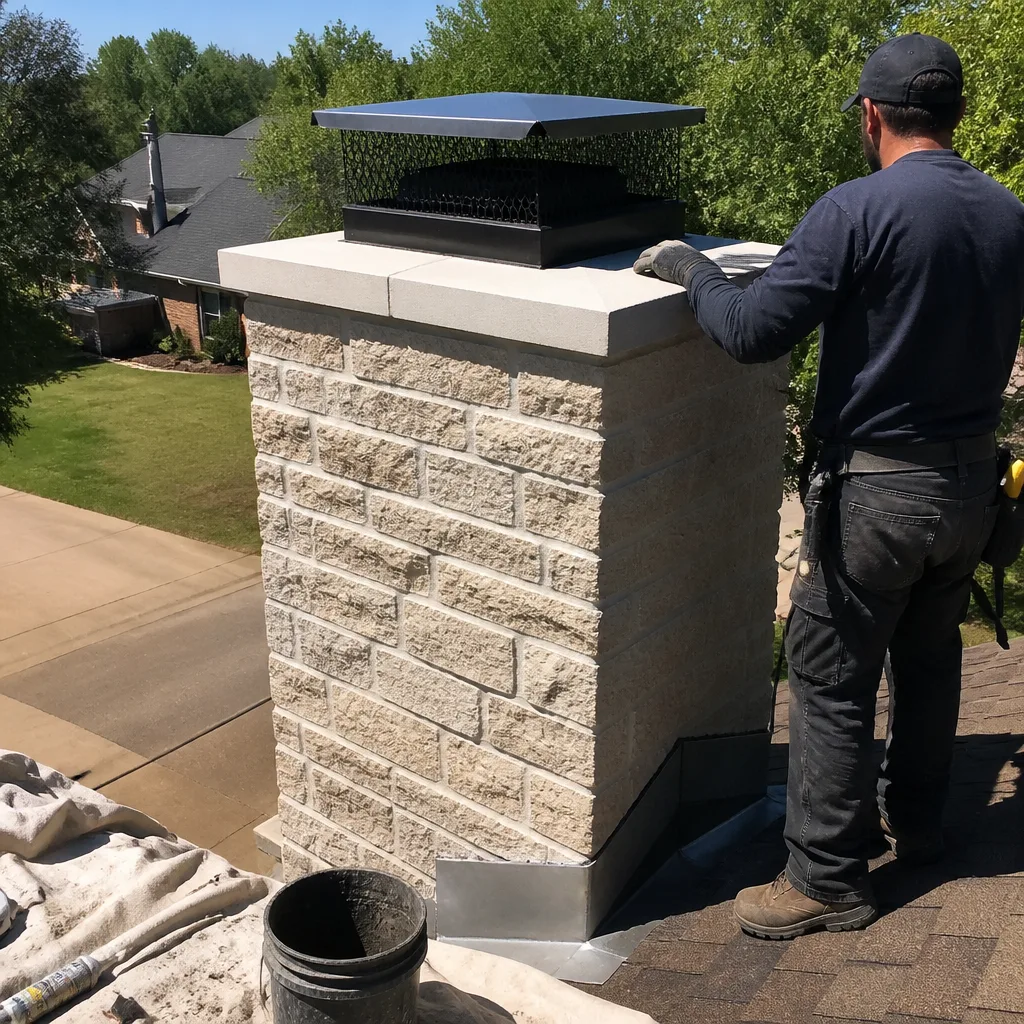
If that sounds familiar, the part you’re thinking of isn’t a replaceable component you order from a catalog. HeatShield’s crown repair is a system: a flexible sealant and resurfacing material designed to bridge cracks in the concrete crown (the sloped cap at the top of your chimney) before water works its way into the flue and the brickwork below.
Which HeatShield Models This Applies To
HeatShield’s crown repair materials are not keyed to specific fireplace models the way, say, a blower motor or a gas valve would be. The system is built around chimney dimensions and crown condition, not appliance brand. That said, we most often apply HeatShield crown work on chimneys serving masonry fireplaces, older prefabricated units with exposed masonry crowns, and chimneys that have already received a HeatShield flue liner. If you have a flue liner certificate from a previous owner or a sticker on the fireplace listing a HeatShield system, that’s helpful context, but the crown repair itself doesn’t require a model number to spec.
The compatibility gotcha we see in Fort Worth: HeatShield’s Cerfractory sealant is designed for concrete and masonry crowns, not for metal chimney caps or chase covers on factory-built fireplaces. If your chimney is a metal pipe inside a wood-framed chase with a galvanized cap, a HeatShield crown repair isn’t the right product, and applying it anyway will fail within a season or two. That’s a real distinction, and it’s one we check on every call before quoting. For metal chase tops, we stock alternatives from DuraFlex and Gelco that suit that application. HeatShield is what we reach for when the crown is masonry: cracked, spalled, or pitted concrete with a surface that can be cleaned, primed, and sealed.
On the OEM versus aftermarket question: HeatShield does not sell a pre-formed replacement crown. The system is a restoration material, applied on site. The “part” is the sealant, the reinforcing fabric where needed, and the topcoat. We use genuine HeatShield materials rather than generic sealants because the thermal expansion and UV resistance matter in North Texas, where a crown bakes in 100-degree sun and then gets hit by a hard rain in the same week.
Styles & brands we work with
Signs Your HeatShield Crown Repair Is Failing
- Hairline cracks visible across the crown surface. Concrete expands and contracts with temperature swings, and Fort Worth’s summer-to-winter range is brutal on a crown. A crack wider than about 1/16 inch is letting water through, not just sitting on top. The cause is almost always thermal cycling or a crown poured too thin when the chimney was built.
- Efflorescence: white, chalky mineral deposits on the brick below the crown. This means water is moving through the masonry and carrying salts to the surface. It’s a tell-tale sign the crown has been leaking for at least one full season. On Fort Worth brick, this often shows up on the side of the chimney that faces the prevailing rain.
- Spalling brick or flaking concrete at the very top of the chimney. When water gets into the brick and freezes, it expands and pops the face off the brick. Our winters get cold enough for a handful of freeze-thaw cycles each year, and that’s enough to do it. Spalling near the top is almost always a crown problem, not a brick problem.
- Damp smell inside the fireplace after heavy rain. Water has made its way down the flue or through the masonry and is evaporating inside the firebox. If you notice this after a Texas downpour, get the crown looked at before the moisture reaches framing or drywall.
- Water stain on the ceiling around the chimney chase. By the time water shows up inside the house, the crown has been failing for a while. This is the symptom that usually prompts the call, but the damage started much earlier. The repair is still straightforward at this stage, but the surrounding drywall or framing may also need attention.
See the difference
 Before
 After
After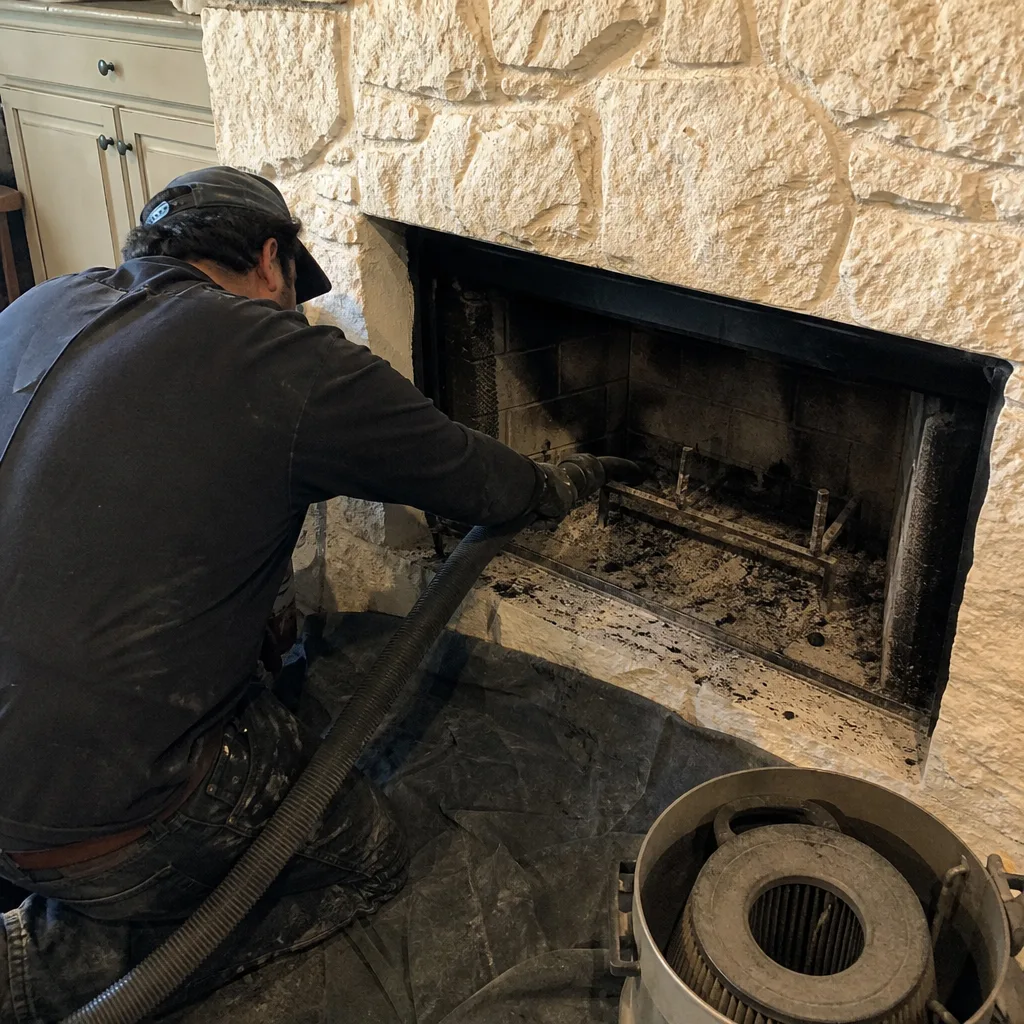 Before
 After
After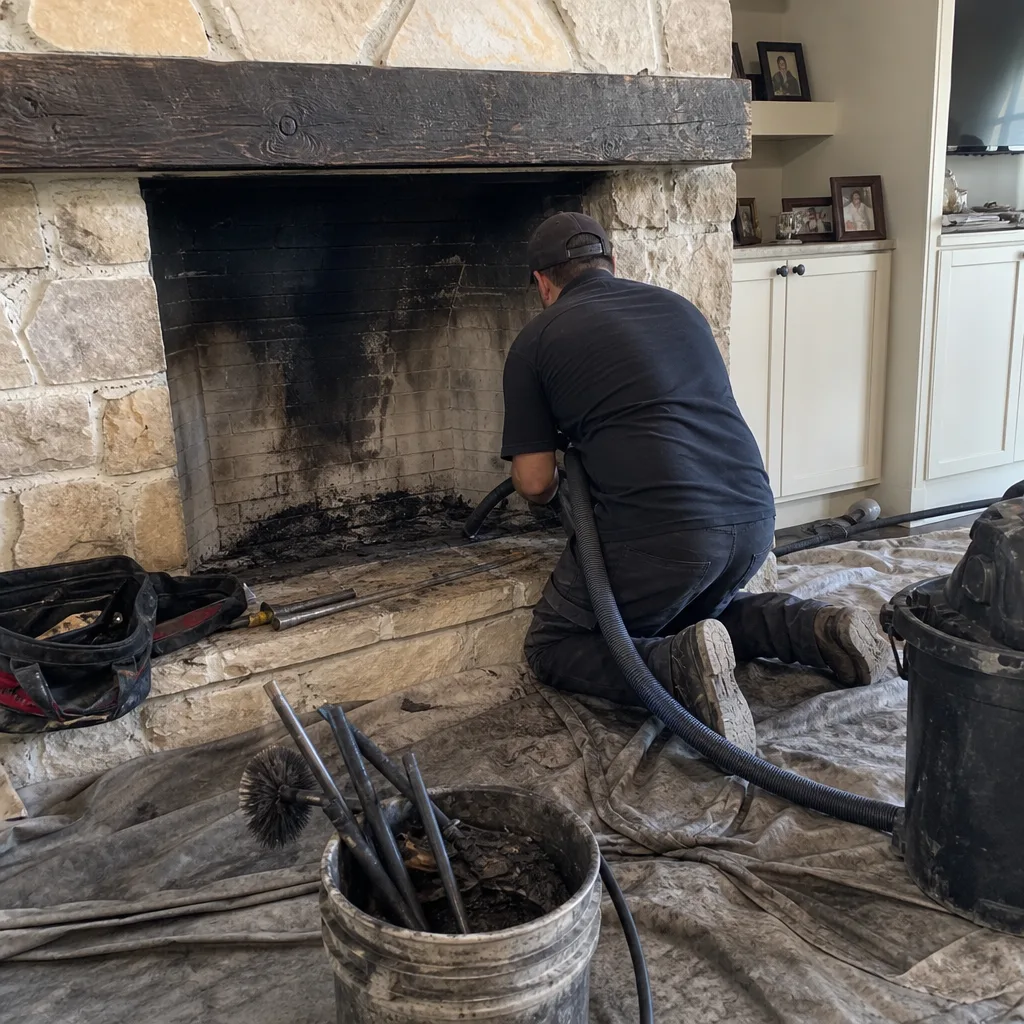 Before
 After
AfterReplacement Cost & What’s Included
For Fort Worth homes, a HeatShield crown repair typically runs $850 to $1,800 installed. The range mostly comes down to three things: crown size and accessibility, how much prep the existing concrete needs, and whether we’re doing a localized crack repair or a full crown resurfacing. A small single-flue chimney with a couple of hairline cracks usually lands at the lower end. A large masonry crown with spalling, multiple cracks, and difficult roof access lands at the higher end. If a chimney requires a full crown rebuild rather than a restoration, that’s a different scope and we’ll say so plainly before any work is quoted.
Every quote includes the full labor, genuine HeatShield materials, surface prep (cleaning, crack routing, and priming), application of the Cerfractory sealant and CrownCoat finish, and a final inspection with photos. We give you the written price before anything starts, and that price doesn’t change unless we find something structural we couldn’t see from the ground. The work itself is covered under our 365-Day Done Right Promise: if the repair isn’t right, we make it right, no fine print, no runaround.
DIY or Call Us?
What you can safely check yourself: if you can see the crown from the ground or from a safe vantage point, look for obvious cracks, missing chunks, or plants growing out of the mortar joints. Those observations are genuinely useful when you call us. What we’d steer you away from: climbing onto a roof with a bucket of sealant. Crown work means working at height, on a sloped surface, usually near the edge of a roof, and the cost of a fall far outweighs any material savings. We’ve also seen DIY sealants fail within a year because the surface wasn’t prepped correctly, and the homeowner ended up paying for the repair twice: once for the product, once for us to remove it and do it right.
Our technicians are background-checked, uniformed, and trained on proper fall protection and roof etiquette. Shoe covers and drop cloths go down before anything else, and nothing in your home is moved without asking. If you suspect your crown is failing, call (682) 382-9934 and we’ll get it assessed and quoted before the next storm rolls through.
FAQs
A properly applied HeatShield crown repair typically lasts 10 to 15 years in the Fort Worth climate, with some systems going longer when the crown was in good structural shape before the sealant went on. Our Texas heat and UV exposure is the main wear factor, which is why we use the HeatShield topcoat rather than a bare sealant that would chalk and crack within a few seasons. Call (682) 382-9934 if you want us to look at your current crown and tell you honestly whether it’s a candidate.
In most Fort Worth homes we see, a crown with cracks under about 1/4 inch wide and no major missing sections can be restored with the HeatShield system rather than rebuilt. If the concrete is crumbling to the point where a screwdriver can break pieces off by hand, that crown needs a rebuild, not a sealant. We’ll only recommend a rebuild when the concrete itself has failed, and we’ll show you photos so you can see exactly what we’re seeing.
Most HeatShield crown repairs take one visit of roughly 2 to 4 hours, including prep, application, and clean-up. The sealant needs dry weather to cure properly, so we schedule around the Fort Worth forecast and won’t rush a job just to beat an incoming front. If we’re also doing a flue liner or other repairs on the same visit, the day runs longer and we’ll tell you that before we start.
Yes. Our trucks carry HeatShield Cerfractory sealant, reinforcing fabric, and CrownCoat topcoat as standard inventory, along with materials from DuraFlex and Gelco for non-masonry applications. That means on many calls we can go from diagnosis to finished repair in one day, without a second trip to a supplier.
Written by Danny Cortes, Owner, Kindling Chimney Fort Worth at Kindling Chimney Fort Worth, serving Fort Worth and nearby areas.